-jpeg.jpg?w=1200&h=1200)
An office chair does more than simply give you a place to sit. It can affect how comfortable you feel throughout the workday, how easily you switch between work and rest, and how you use your home office beyond working hours.
That raises an increasingly common question: Are massage office chairs worth it? The answer depends on what you expect from the chair. A massage function can add another layer of comfort and relaxation, particularly for people who spend long periods sitting. Research has also found that massage chair use may help reduce neck and shoulder pain among office workers. However, a massage function should not be treated as a replacement for good ergonomic support.
In other words, the best massage office chair is not necessarily the one with the most massage features. It is the one that works well as an office chair first, while giving you useful ways to relax when the workday slows down.
What Is a Massage Office Chair?
A massage office chair is an office chair with an integrated massage function, usually built into the backrest. Depending on the model, the massage system may use vibration, rollers, pressure, or a combination of different technologies.
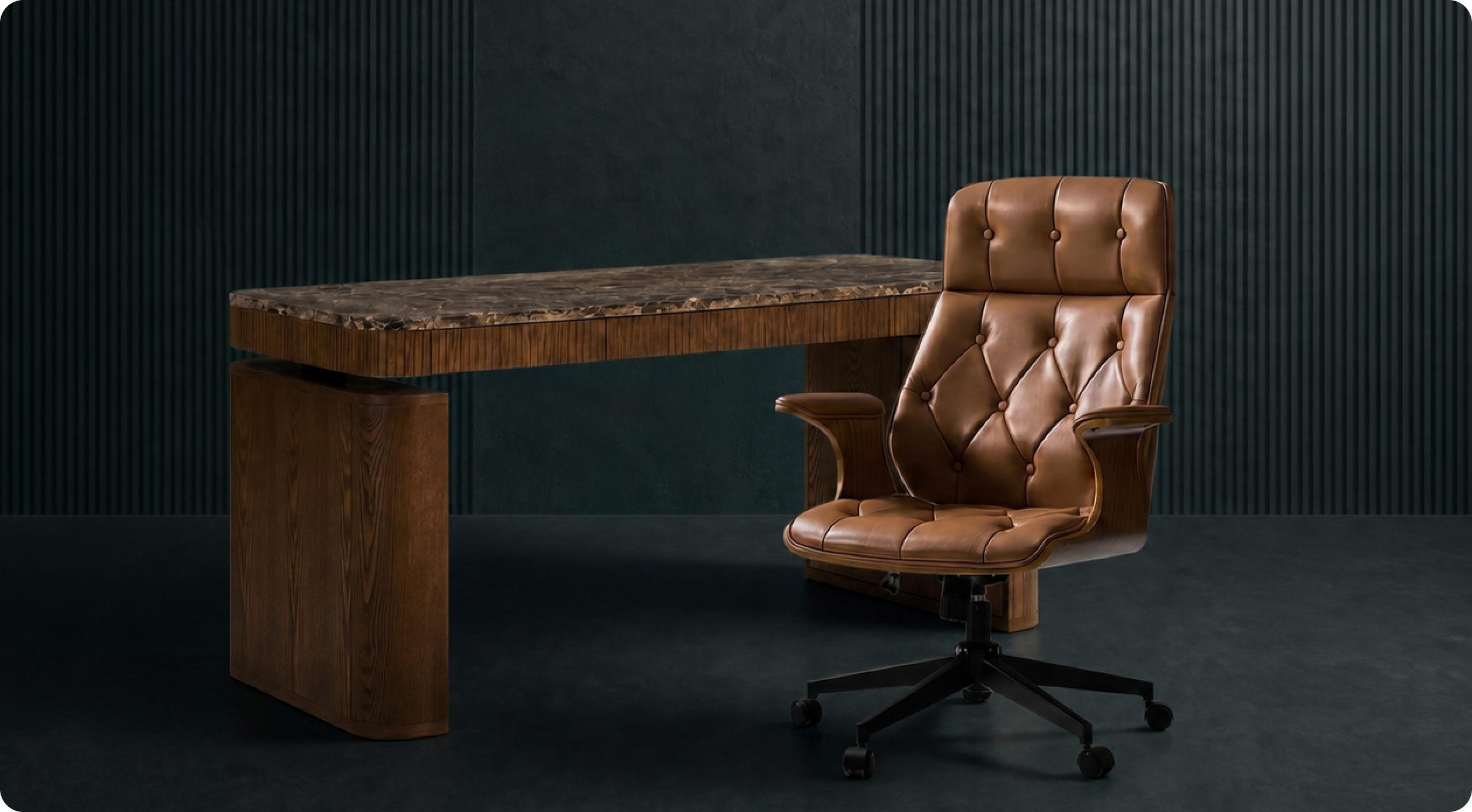
Unlike traditional full-size massage chairs, massage office chairs are designed to fit into a workspace. Many retain the familiar appearance and functions of an executive or ergonomic office chair, while adding features such as massage, reclining, or footrests.
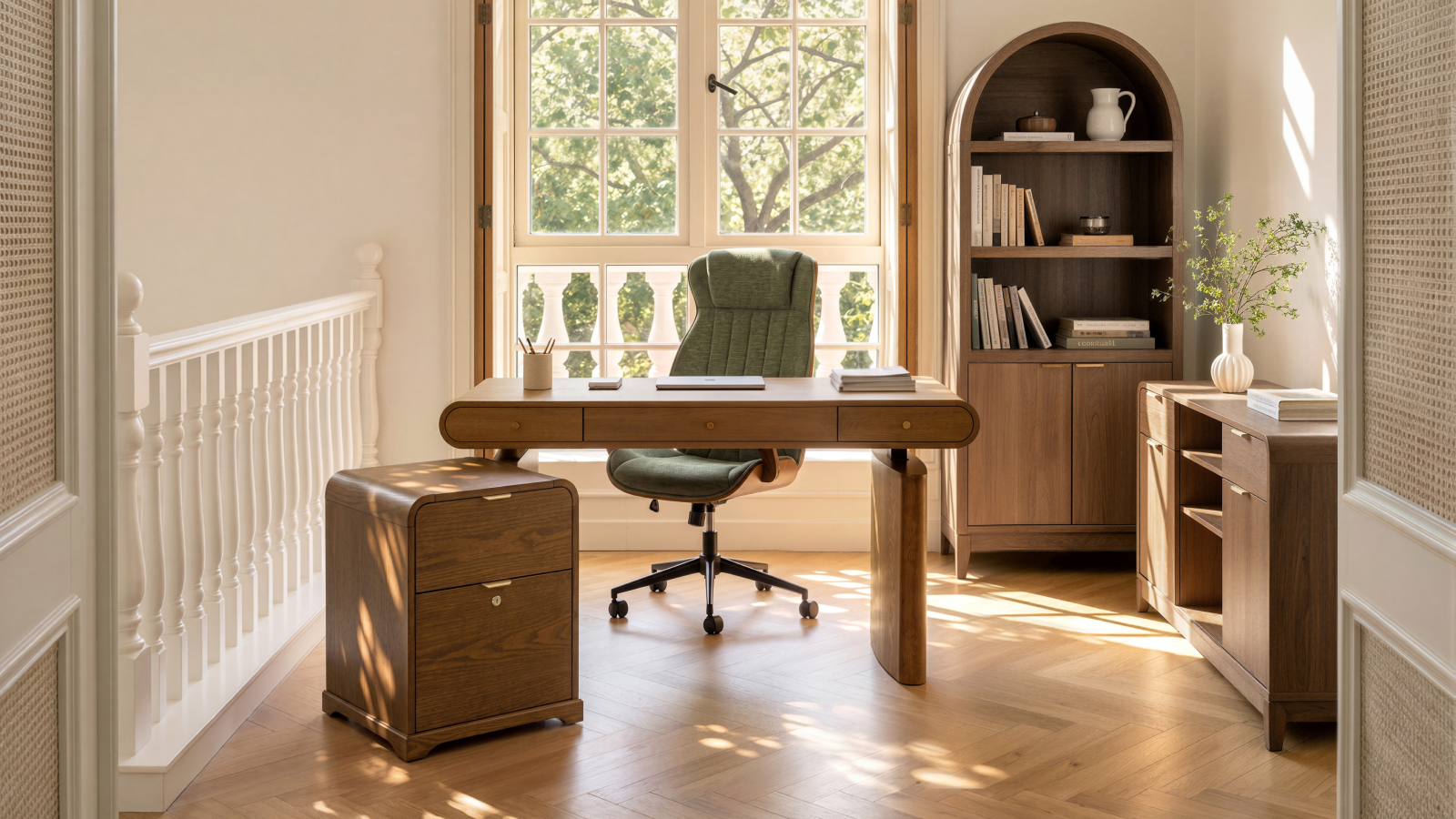
This makes them particularly interesting for home offices, where one chair may need to support several activities throughout the day: working, reading, taking a break, or simply sitting back for a few minutes.
What Are the Types of Massage Office Chairs?
Not all massage office chairs provide the same experience. The market includes several different types, and the terminology can be confusing because some terms describe the massage technique, while others describe how the mechanism moves or where it travels.
Vibration Massage Office Chairs
Vibration massage chairs use small motors to create rhythmic vibrations through the seat or backrest.
This is generally one of the simpler types of massage technology. It can provide a gentle sensation that works well for relaxation, but it does not usually offer the same targeted pressure as mechanical rollers.
Best for: people who want a simple, gentle massage function for occasional relaxation.
Rolling Massage Office Chairs
Rolling massage chairs use mechanical rollers that move along the backrest.
Depending on the design, the rollers may move across areas such as the neck, shoulders, back, and waist. Rolling mechanisms can provide more targeted movement than basic vibration.
Best for: people who want a more noticeable and targeted back massage.
Shiatsu Massage Office Chairs
Shiatsu-style massage uses pressing, kneading, or rolling movements designed to imitate aspects of hands-on massage.
Shiatsu describes a massage technique, rather than a specific mechanical system. A chair can therefore combine Shiatsu-style movements with technologies such as 2D or 3D rollers.
Best for: people who prefer a more pressure-focused massage sensation.
2D Massage Office Chairs
2D refers to the movement of the massage rollers. In general, 2D rollers move up and down and from side to side along the massage track.
This provides basic roller coverage, but the depth of the massage is relatively fixed compared with 3D systems.
Best for: people who want basic roller massage without paying for more advanced movement.
3D Massage Office Chairs
3D massage technology adds an additional in-and-out movement to the rollers.
This allows the rollers to move closer to or farther away from the body, giving users more control over massage depth.
Best for: people who want more adjustable massage pressure and a more customizable experience.
4D Massage Office Chairs
4D massage technology builds on 3D movement by varying the speed, rhythm, or cadence of the rollers.
Instead of moving at a relatively uniform pace, the mechanism can create more dynamic patterns that are intended to feel less mechanical.
Best for: people who prioritize a more dynamic and customizable massage experience.
It is also worth being cautious about labels such as 5D, 6D, or 8D. These terms are not standardized across the industry, and they do not necessarily represent additional physical dimensions of roller movement. In many cases, they refer to additional features or marketing terminology rather than a fundamentally different massage mechanism.
Air Compression Massage Office Chairs
Some massage chairs use inflatable airbags to provide compression around areas such as the shoulders, arms, hips, or legs.
Air compression feels different from roller massage. Instead of moving across the body, airbags gently inflate and release to create surrounding pressure.
Best for: people who prefer a gentler, enveloping sensation rather than direct roller pressure.
S-Track, L-Track, and SL-Track Massage Chairs
Track type is another specification you may encounter when comparing massage chairs.
The easiest way to understand the difference is:
The massage dimension describes how the rollers move. The track describes where they travel.
An S-track follows the natural curve of the back. An L-track extends farther down toward the seat area, while an SL-track combines the curved path of an S-track with extended coverage toward the seat.
These terms are particularly relevant when comparing the area of the body a chair can reach.
Massage Recliner Office Chairs
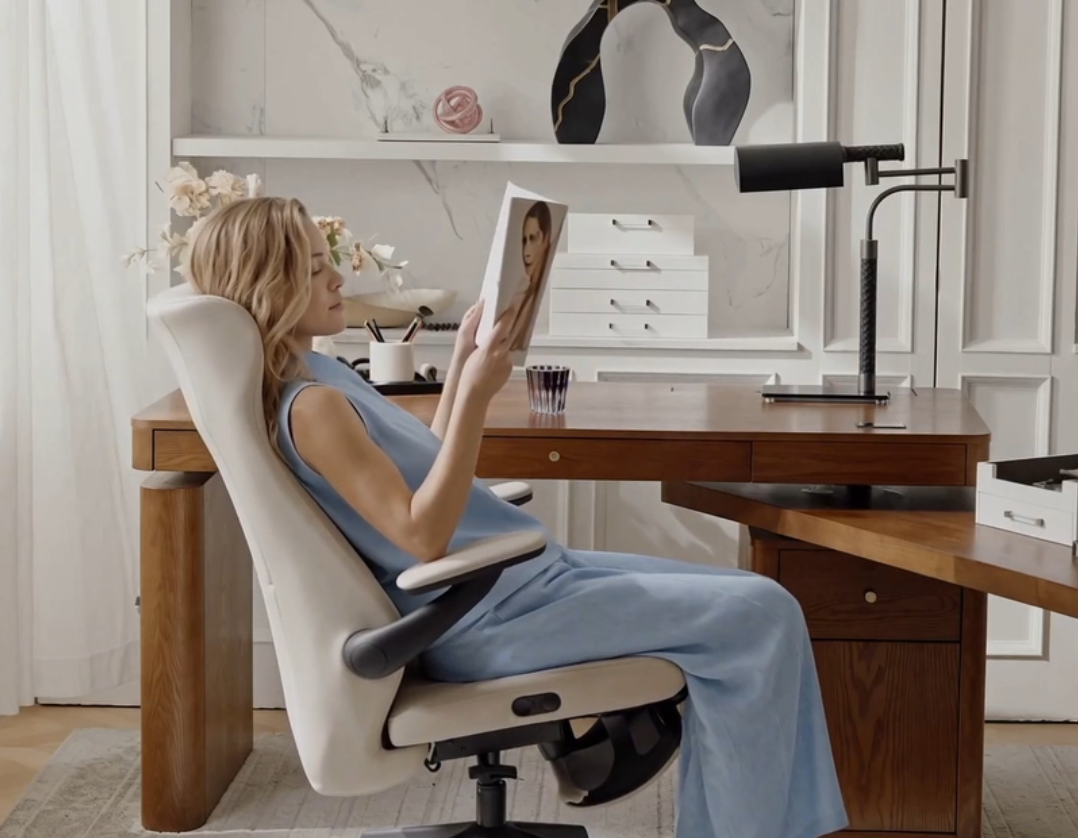
Some office chairs combine massage with a reclining function.
Rather than being designed exclusively for massage, these chairs are intended to transition between working and relaxing. They may include adjustable recline angles, footrests, or other features that make it easier to take a break without leaving the chair.
For a home office, this can be more useful than having a massage function alone because the chair supports multiple activities throughout the day.
What Are the Benefits of a Massage Office Chair?
It Can Add Relaxation to a Long Workday
Sitting at a desk for hours can make the transition between work and rest difficult. A built-in massage function gives you another way to pause and relax without having to leave your workspace.
For some people, even a short massage session can make the chair feel more versatile.
It May Help With Muscle Tension
Massage is often used to help people relax tense muscles, and research has specifically examined massage chairs among office workers.
One randomized controlled trial involving office workers found that participants using a massage chair as part of the intervention experienced a significant reduction in neck and shoulder pain over the study period.
That does not mean a massage office chair can treat an underlying medical condition. Rather, it suggests that massage may be a useful comfort and relaxation feature for people who experience everyday muscle tension associated with desk work.
It Gives You More Ways to Use Your Office Chair
A conventional office chair is primarily designed around one activity: working. A massage office chair can potentially support several modes throughout the day:
- Focused work
- Reading
- Reclining
- Taking a short break
- Relaxing after work
That versatility can be particularly valuable in a home office, where the same room may need to serve multiple purposes.
What Are the Downsides of a Massage Office Chair?
Massage functions sound appealing, but they should not automatically make a chair worth buying.
Massage Should Not Come Before Ergonomics
This is probably the most important consideration. If you sit for several hours every day, ergonomic support should remain a priority. Look at features such as seat height, armrest adjustment, back support, headrest positioning, and recline before worrying about how many massage modes a chair has.
A chair with excellent massage but poor support is not necessarily a good long-term office chair. Think of massage as an additional feature, not the foundation of the chair.
You May Not Use the Massage Function Very Often
It is easy to imagine using a massage function every day when shopping for a new chair. In reality, usage varies from person to person.
If you only use massage occasionally, paying significantly more for advanced massage technology may not make sense. If you regularly want to relax in your chair after several hours of work, the feature may have considerably more value.
More Features Can Mean More Complexity
Massage systems, reclining mechanisms, batteries, motors, and electronic controls can make a chair more complicated than a conventional office chair.
That means you should consider the quality of the overall chair, warranty coverage, and long-term durability rather than judging it solely by the number of features listed on the product page.
Does a Massage Office Chair Really Work?
Yes, massage office chairs can provide real benefits such as short-term relief by increasing local blood flow and reducing muscle tension, but they do not offset the physiological risks of prolonged sitting such as poor posture, hip flexor tightness, or reduced core engagement.
The most realistic way to think about a massage function is as a tool for temporary relaxation and relief from everyday muscle tension, rather than a treatment for an underlying medical condition.
Research provides some support for this distinction. In a 2023 randomized controlled trial involving office workers with neck and shoulder pain, participants who received massage-chair treatment experienced significant improvements in pain scores and neck-related disability compared with the control group.
Other research has also found potential benefits related to stress and relaxation. A randomized controlled trial of adults who used a massage chair over six months found improvements in perceived depression and health status, although some of the measured physiological changes were less conclusive. A broader review of research on massage-chair use likewise found potential physical and mental health benefits, while pointing out that more high-quality research is still needed.
What a Massage Office Chair Can Realistically Do
For an office worker, the potential benefits are relatively straightforward:
- Help you relax after long periods of work
- Reduce the sensation of everyday muscle tension
- Temporarily relieve some neck, shoulder, or back discomfort
- Provide a convenient way to take a physical break from work
- Make an office chair more useful for both working and resting
What it cannot do is fix every problem caused by prolonged sitting. For example, if your desk is too high, your monitor is poorly positioned, or your chair does not provide adequate support, using the massage function does not correct those underlying ergonomic issues.
So, Are Massage Office Chairs Worth It?
They can be worth it if you value both ergonomic support and built-in relaxation.
A massage office chair is more likely to make sense if:
- You spend several hours sitting at a desk each day.
- You regularly experience everyday neck, shoulder, or back tension.
- You enjoy massage and are likely to use the function regularly.
- You want your office chair to support both work and relaxation.
- The chair provides good ergonomic adjustment in addition to massage.
- You have enough space for its additional features, such as a reclining mechanism or footrest.
On the other hand, a massage office chair may not be worth the additional cost if:
- You only sit for short periods.
- You rarely use massage functions.
- Your primary concern is ergonomic support.
- You can get a better-fitting ergonomic chair by spending the same amount on fewer features.
- You prefer to keep your work area simple.
The key question is - Will the combination of ergonomic support and massage make this chair more useful in my daily life?
What Should You Look for in a Massage Office Chair?
If you decide that a massage office chair fits your needs, consider the entire chair rather than the massage function alone.
1. Ergonomic Support
Look for adjustable features that help you create a comfortable working position. Depending on the chair, these may include:
- Adjustable seat height
- Adjustable armrests
- High-back support
- Lumbar support
- Headrest
- Reclining backrest
2. Massage Coverage
Consider where the massage function actually works. Some chairs focus on specific areas such as the shoulders or lower back, while others cover a larger portion of the back. More coverage is not automatically better. Think about which areas you actually want to target.
3. Massage Type and Intensity
Consider whether you prefer:
- Gentle vibration
- Rolling massage
- Pressure-focused massage
- Adjustable roller depth
- Different massage modes
If possible, look beyond the number of massage modes and understand what each mode actually does.
4. Reclining Function
A reclining mechanism can make a massage office chair more useful because it allows you to change your position when you stop working. A chair that transitions from an upright working position to a more relaxed position can support different activities throughout the day.
5. Footrest and Rest Features
A built-in footrest can make a significant difference if you intend to use the chair for relaxation. However, make sure these features do not interfere with the chair's primary purpose as a workspace.
6. Warranty and Durability
Massage chairs contain more electronic and mechanical components than a basic office chair. Check the warranty, especially for electronic components, before making a purchase. A longer warranty can also give you a better idea of how the manufacturer supports the product over time.
Can a Massage Office Chair Work as a Home Office Chair?
This is where the design of the chair becomes particularly important. Traditional massage chairs are often large and visually distinctive. That may work well in a dedicated relaxation room, but it can feel out of place in a home office.
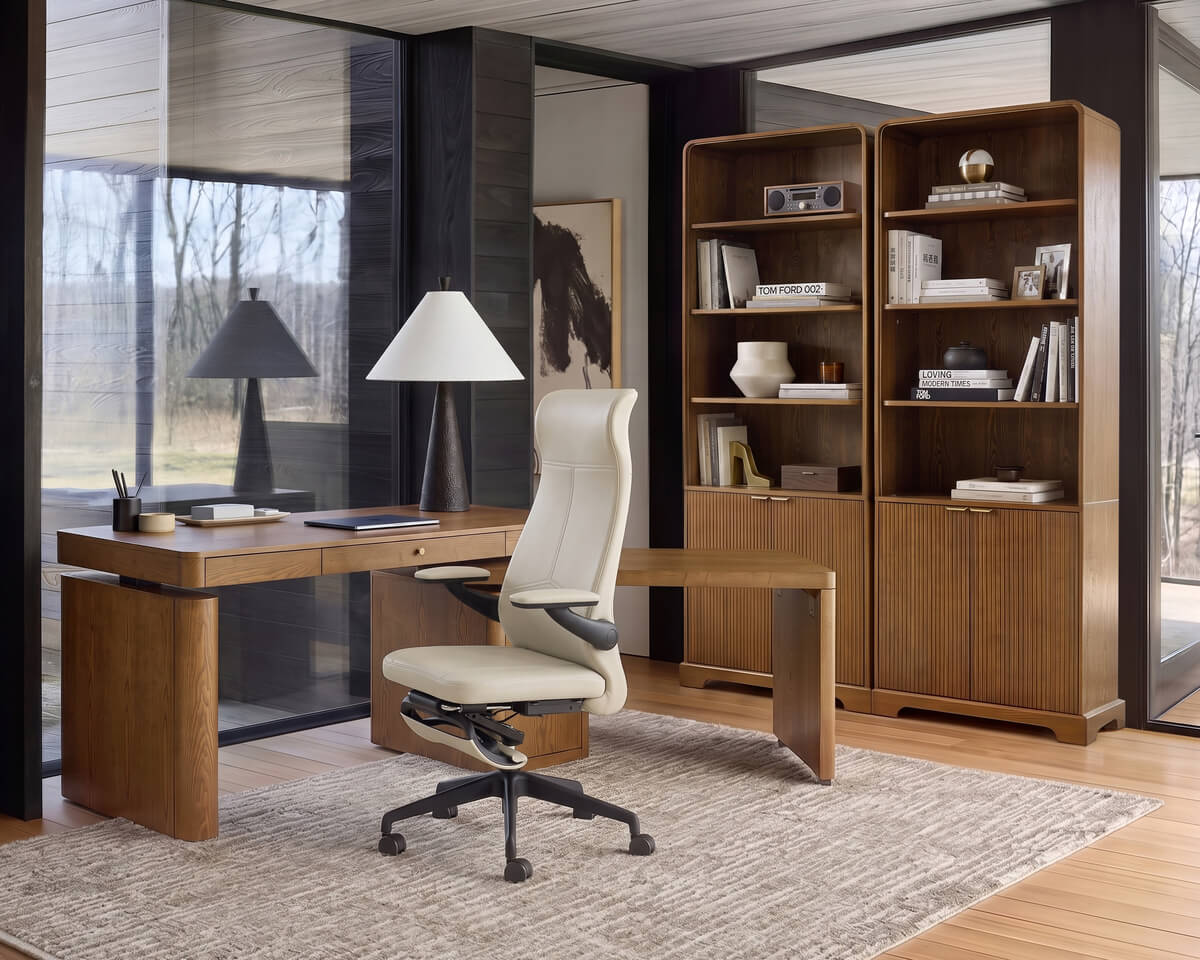
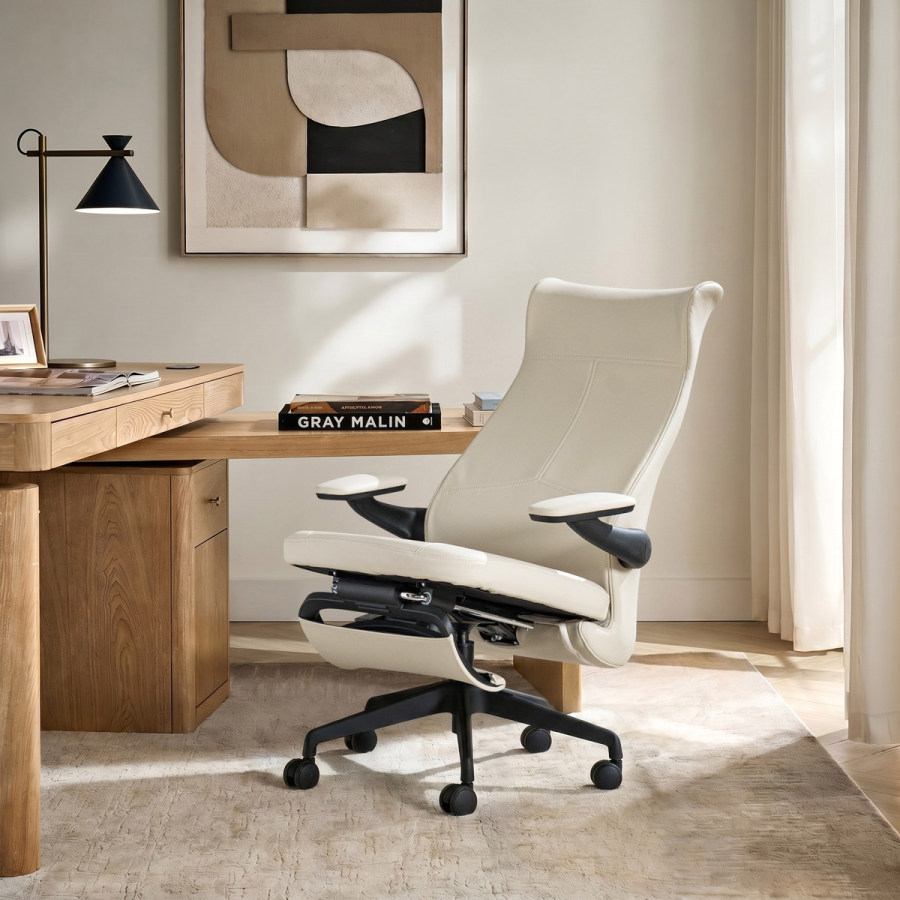
A massage office chair takes a different approach: it combines the appearance and functionality of an executive or ergonomic office chair with integrated massage technology. For someone working from home, that can make more sense than having separate furniture for working and relaxing.
Instead of creating one chair for work and another for rest, a single chair can support both modes.
How to Decide If a Massage Office Chair Is Right for You
Before buying one, ask yourself five simple questions:
- How many hours do I sit each day? If you spend most of your working day in a chair, comfort and adjustability become more important.
- Do I want a chair that can support both work and rest? If your home office doubles as a reading, gaming, or relaxation space, additional features may be more useful.
- Will I actually use the massage function? A feature only creates value when you use it.
- Does the chair work well without the massage function? If the answer is no, the chair may not be the right choice.
- Does the overall design fit my space? A chair can have excellent features and still be a poor choice if it takes up too much space or does not suit the way your home office is designed.
Final Verdict: Are Massage Office Chairs Worth It?
A massage office chair can be worth it, but the answer depends on how you work and how you want to use your chair.
For someone who spends long hours at a desk and values both ergonomic support and moments of relaxation, combining those functions in one chair can be practical. Research also suggests that massage chair use may help alleviate neck and shoulder pain among office workers, although massage should not be considered a substitute for professional medical care or good ergonomic habits.
The most important thing is to look beyond the massage feature. A good massage office chair should first be comfortable and supportive as an office chair. The massage function, reclining capability, footrest, and other features should add flexibility rather than compensate for poor fundamentals.
Ultimately, the right question is not whether massage office chairs are universally worth it. It is whether having work and relaxation functions in the same chair makes your everyday space work better for you.
FAQs
Does a massage office chair really work?
Yes, but only for short-term muscle relaxation and temporary stress relief. A massage chair can increase local blood circulation and ease mild muscle tightness. However, it cannot replace physical exercise, correct severe spinal issues, or offset the long-term health risks of sitting for extended periods.
Are massage chairs supposed to hurt?
No, a massage chair should never cause sharp or lingering pain. You should feel firm pressure or a "good ache" similar to a deep tissue massage. If it feels painful:
- Lower the intensity or speed setting.
- Add a blanket or towel over the backrest to cushion the rollers.
- Stop using it immediately if you experience sharp pain, bruised feelings, or nerve numbness.
What are the downsides of using a massage chair?
- Inadequate Support: Standard massage chairs rarely offer proper ergonomic lumbar support required for prolonged desk work.
- Overuse Risks: Excessive use can cause muscle soreness, bruising, or inflammation.
- Safety Concerns: People with certain medical conditions—such as deep vein thrombosis (DVT), severe osteoporosis, recent surgeries, or high-risk pregnancies—should avoid using intense massage settings without consulting a doctor.
- Cost & Maintenance: They are significantly heavier, bulkier, and more expensive to repair than standard office chairs.
How long is too long to sit in a massage chair?
- With the massage function ON: 15 to 20 minutes per session (1–2 times a day) is the recommended maximum. Overstimulating the muscles beyond 30 minutes can lead to tissue inflammation and bruising.
- With the massage function OFF: No more than 60 to 90 minutes at a time before getting up to stand, walk, or stretch.