There is a particular feeling that arrives at the end of summer.
The evenings are still warm, but the calendar is beginning to fill again. New sneakers wait by the door. Backpacks appear on kitchen chairs. Parents start checking school supply lists while trying to remember which week soccer practice begins. The slower rhythm of summer gives way to alarm clocks, packed lunches, homework, meetings, pickups, drop-offs, and the familiar question: “Where did I put that?”
Back-to-school season is often framed as a fresh start for kids. In reality, it resets the rhythm of the entire household.
For students, it means new classes, new expectations, and a return to focused learning. For parents, it can mean adjusting work schedules, managing after-school activities, and helping with homework between emails. For anyone working from home, it may mean sharing space again after a quieter summer.
It is exciting. It can also feel like a lot.
That is why preparing for the season is not only about buying notebooks or organizing a closet. It is about creating a home that can support the people living in it—even when everyone needs something different at the same time.

The House Feels Different When School Starts
During summer, the dining table can hold a half-finished puzzle for days. The spare room can become a catchall for beach bags, packages, and laundry waiting to be folded. Mornings can begin a little later, and schedules have more room to bend.
Then school starts.
Suddenly, someone needs a quiet place to finish a reading assignment. Someone else has a video meeting in ten minutes. A permission slip needs to be signed, a laptop needs to be charged, and the dining table still needs to be cleared before dinner.
These are ordinary moments, but they are often the moments that make a home feel either supportive or stressful.
A thoughtful space will not make the school bus arrive on time or prevent a forgotten lunchbox. What it can do is reduce some of the daily friction. It can give homework a clear landing place. It can keep chargers from disappearing. It can make the transition from work time to family time feel less like resetting an entire room.
Sometimes, the most helpful change is not adding more furniture. It is choosing furniture that can do more with the space you already have.
Start with the Routine, Not the Room
Before rearranging your home, think through what actually happens during a typical weekday.
Where do backpacks land when everyone walks through the door? Where does your child naturally sit to do homework? Do you take morning calls while the house is quiet, then need to make room for an art project in the afternoon? Does your home office also serve as a guest room, reading corner, or family command center?
The best workspace is not always a separate room with a door. For many American households, it is a corner of the living room, a section of the bedroom, or a shared area that changes purpose throughout the day.
Instead of trying to make that space look like a traditional office at all times, allow it to reflect the way your family actually lives.
A desk may need to support focused computer work in the morning and spread-out homework in the afternoon. It may need to feel professional during a client call, then blend naturally into the home when the workday ends. It may even need to accommodate two people for a few hours without permanently taking over the room.
That kind of flexibility can make a busy home feel calmer.

Give Everyone a Place to Begin
Children do not necessarily need a picture-perfect study room. They need a dependable place where starting feels easy.
Keep the essentials close: pencils, paper, headphones, a charger, and whatever tools they use most often. Good lighting matters, especially as daylight begins to fade earlier. A comfortable chair helps, but so does a surface with enough room to open a textbook without balancing it on top of a laptop.
Most importantly, create a simple cue that tells the brain, “This is where we begin.”
It might be a tray that holds school supplies, a drawer reserved for homework, or a small routine of clearing the desk together at the end of the evening. The goal is not perfect organization. Homes with real people rarely stay perfectly organized.
The goal is to make tomorrow morning a little easier.
That difference matters. When children know where their materials belong, they can settle in with less resistance. When parents are not searching for a charging cable five minutes before an online meeting, the whole house feels less tense.
Let Your Workspace Change as the Day Changes
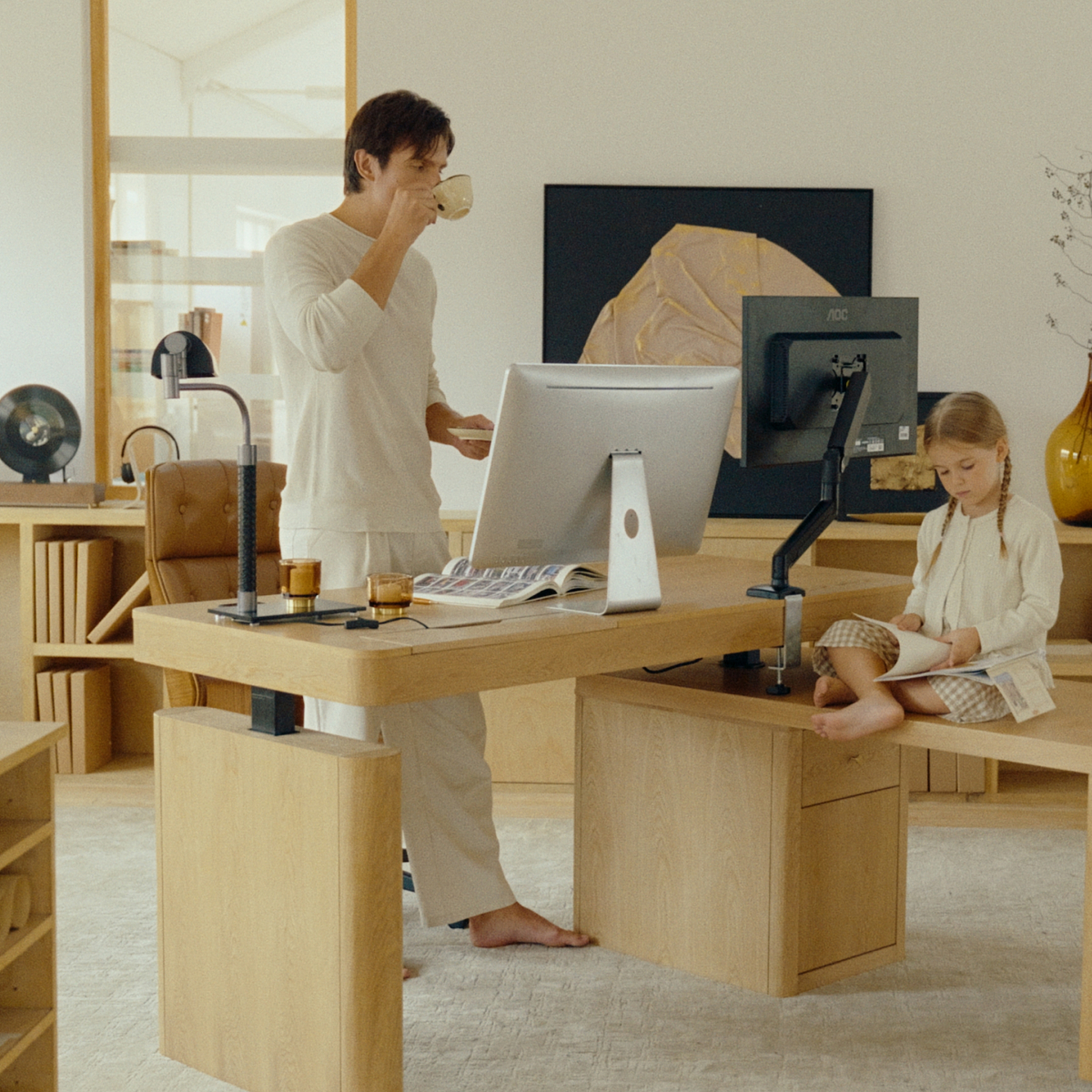
Some mornings call for a compact, focused workspace. Other days require room for a second monitor, a science project, paperwork, or two people working side by side. A desk that can shift between those moments gives the household options without requiring a larger room.
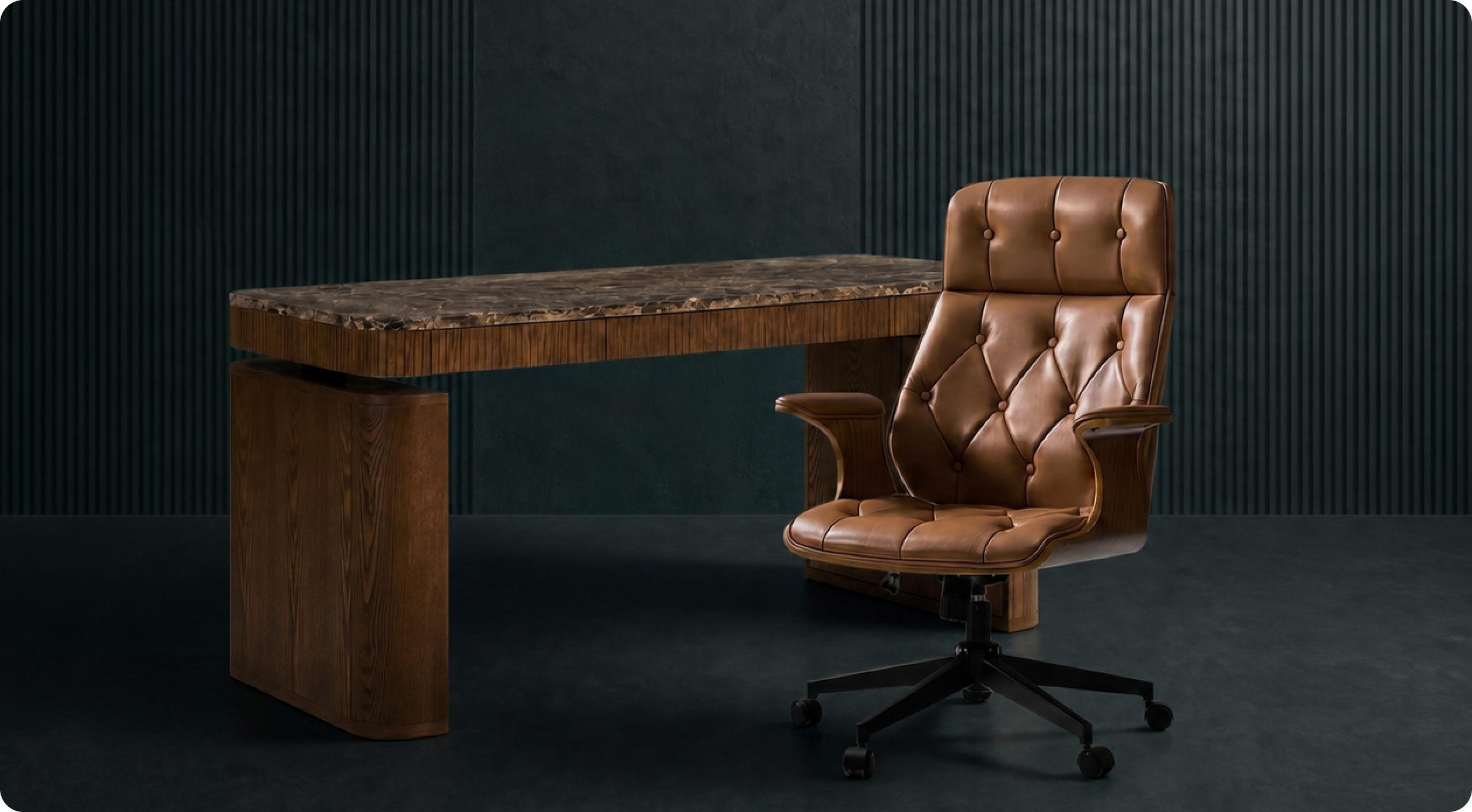
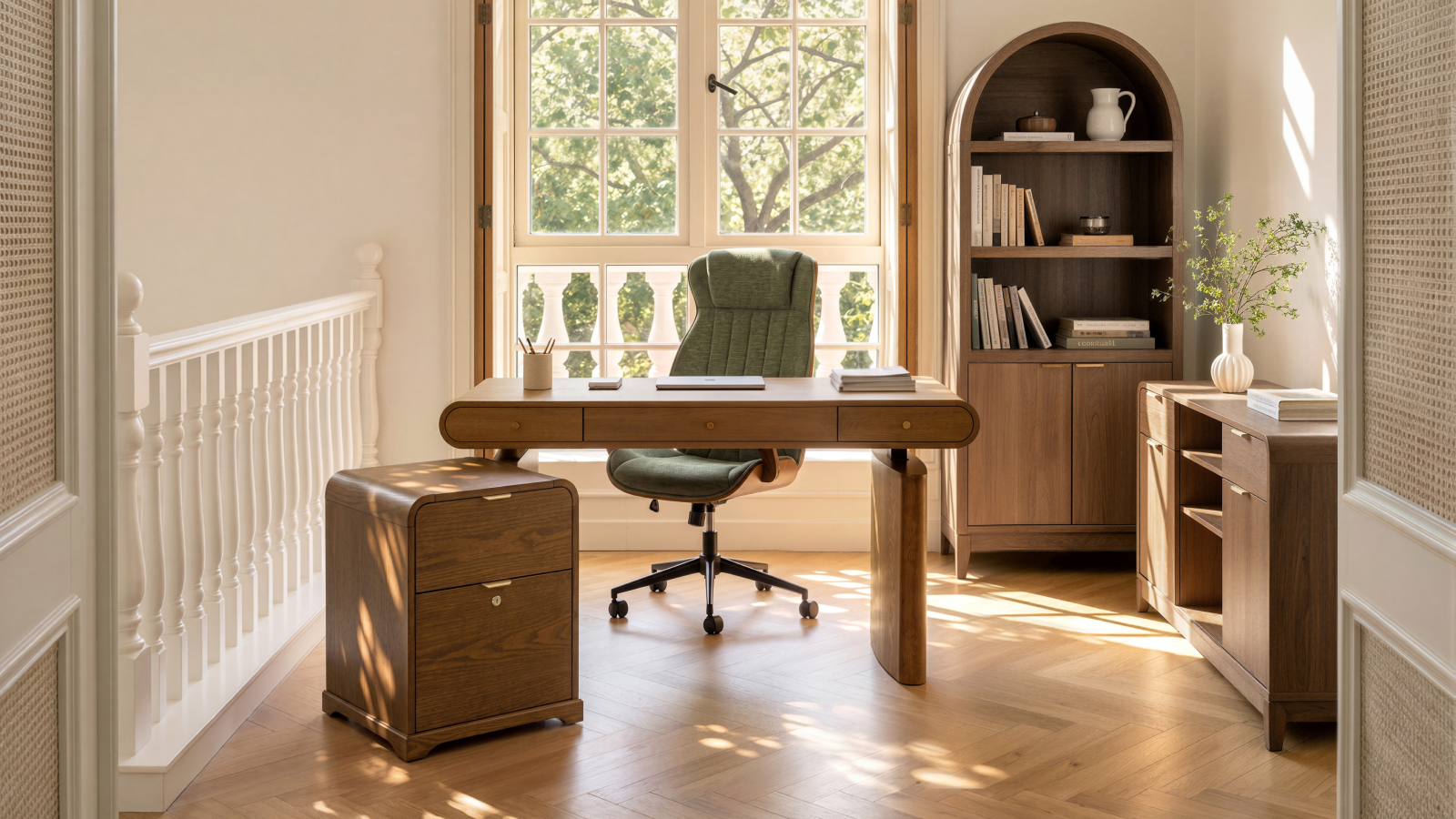
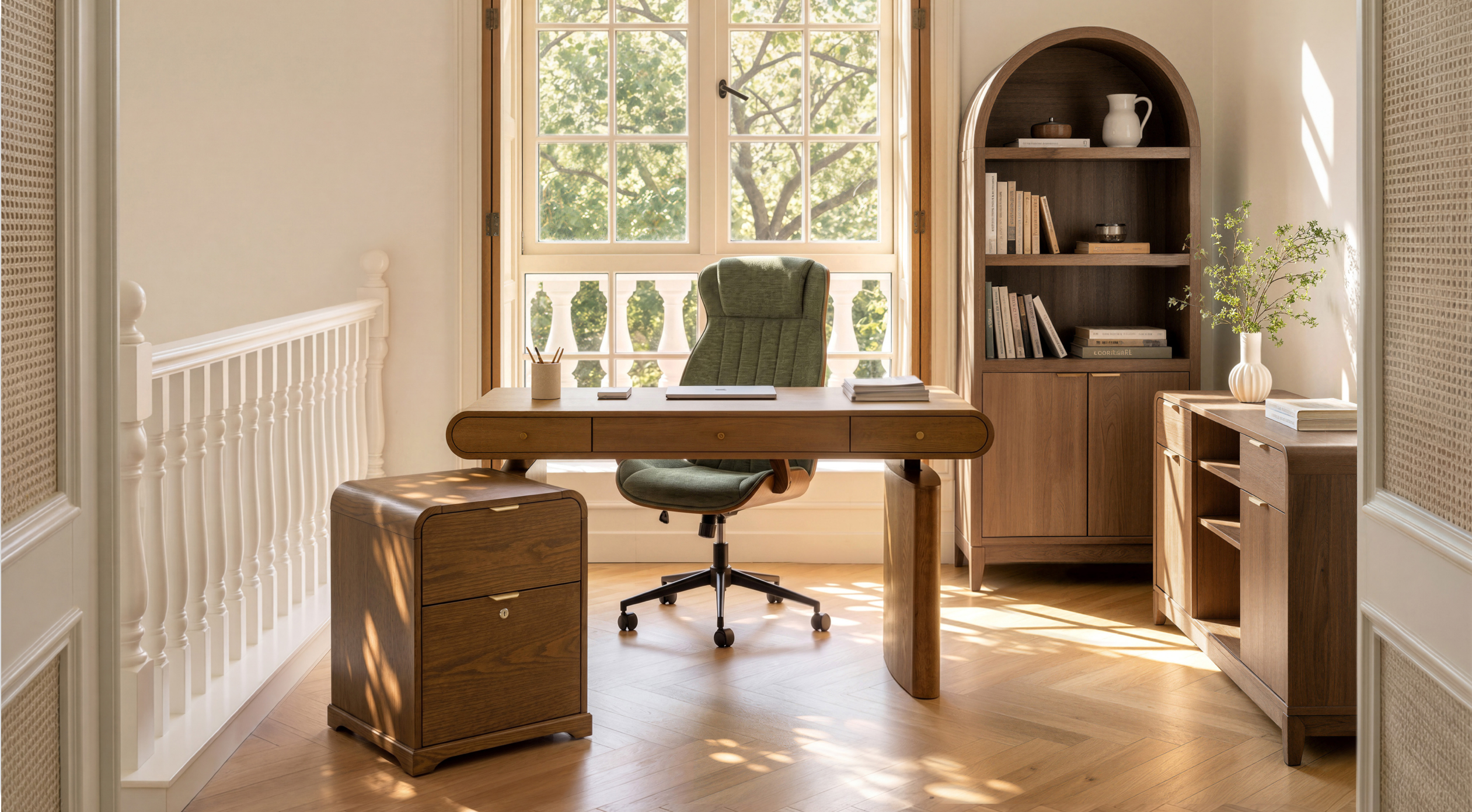
Creating a flexible workspace often starts with choosing the right desk, but it does not end there. The right combination of ergonomic seating, functional storage, and thoughtful workspace essentials can help every corner of your home work harder for the way you live.
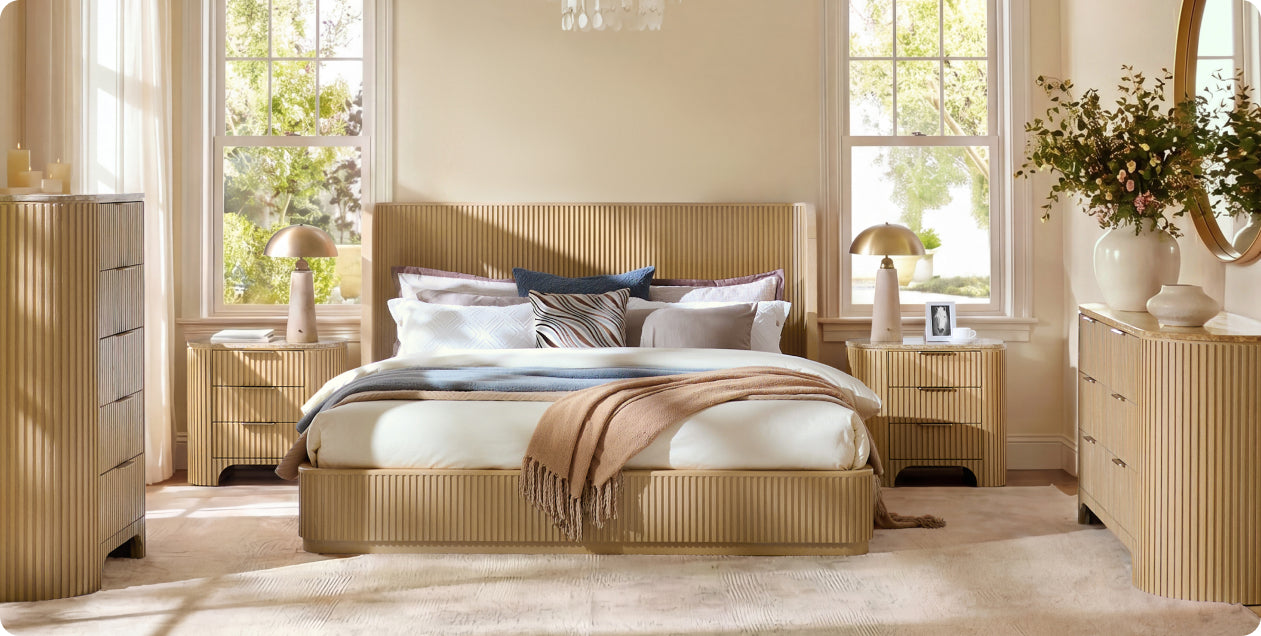
From dedicated home offices to shared family spaces, Hulala Home’s Home Office Collection is designed to support different routines, helping you create a workspace that feels comfortable, organized, and naturally connected to your home.
The Hulala Home Veritas 360° Rotating Standing Desk was designed around that idea. Its rotating side desktop can open into an L-shaped configuration, extend into a longer work surface, or return to a more streamlined arrangement when less space is needed. Electric height adjustment also makes it possible to move between sitting and standing as the day unfolds.
The value is not simply that the desk moves. It is that the room does not have to remain committed to one layout.
In the morning, the desk can become a focused station for emails and planning. After school, the rotating surface can open up to make space for homework, drawing, or a parent helping with a project. Later, it can shift back into a cleaner footprint, allowing the room to feel like home again—not an office that never closes.
Integrated storage, hidden cable management, and built-in power access help keep everyday necessities nearby without leaving every cord, notebook, and device on display. These details may sound small, but during a full week of school and work, small conveniences are often the ones you notice most.
This is adaptive design at its most useful: not change for the sake of change, but design that responds to real life.
Create a Workspace That Still Feels Like Home
A home office does not need to look cold or corporate to be productive.
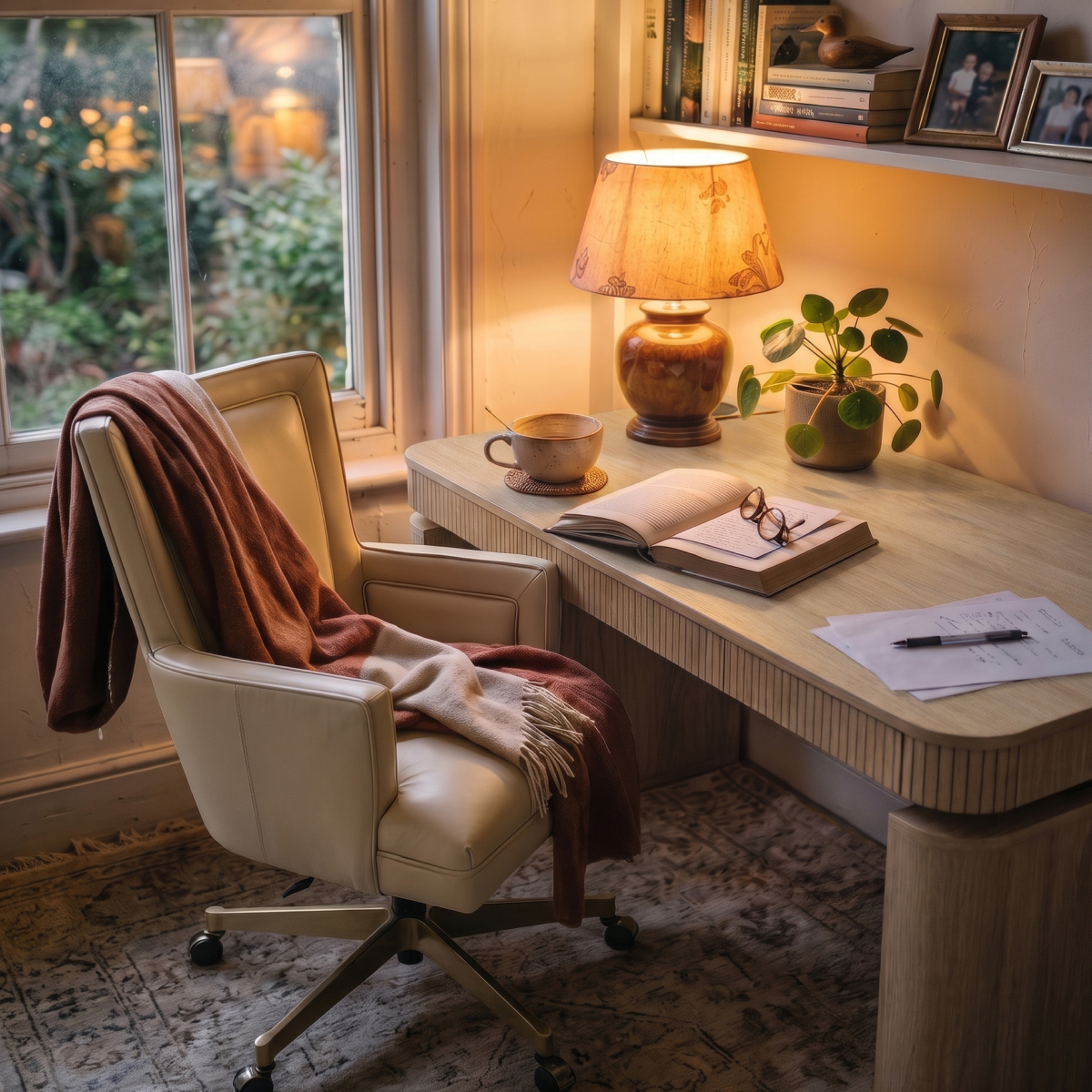
Choose materials and shapes that connect naturally with the rest of the room. Add a lamp with warm light rather than relying only on overhead lighting. Keep one personal object nearby—a framed photo, a favorite book, or a small piece of art that makes the space feel lived in.
Visual calm matters too. When possible, give papers and supplies a home behind a drawer or cabinet door. A clear surface will not solve a packed schedule, but it can make the next task feel more manageable.
At the end of the workday, take two minutes to reset the space. Close the laptop. Put away loose papers. Return the chair to its place. Rotate or reconfigure the desk if the room is about to serve another purpose.
That small ritual creates a boundary between parts of the day. It tells you that work is finished, or that homework is done, and that the room can belong to the family again.
In a world where work, school, and home increasingly overlap, those boundaries are worth creating.
Make Space for the Moments Between Tasks
Back-to-school season is busy, but it is also filled with moments that are easy to miss.
A child stopping by your desk to ask for help with one math problem. A teenager quietly working beside you without saying much. A conversation that begins over a school project and turns into something more important.
The few peaceful minutes after everyone leaves in the morning, when the house is finally still.
The right furniture does not create these moments. It simply makes more room for them.
When a workspace can open up, two people can sit together instead of passing a laptop back and forth. When supplies have a place, less time is spent searching and more time can be spent helping. When the office can transition back into the home, work does not have to dominate every hour that follows.
That is the emotional side of adaptable living. It is not about constantly transforming your furniture. It is about having the freedom to respond when life changes—even several times in the same day.
A Fresh Start for the Whole Family
Back-to-school season asks everyone to begin again.
Children step into new classrooms. Parents rebuild routines. College students create a sense of home in unfamiliar apartments. Remote and hybrid workers return to fuller calendars after summer vacations. Even the house seems to take a breath and prepare for what comes next.
There will still be hurried mornings. There will still be papers left on the counter and nights when homework takes longer than expected. A well-designed space cannot remove the beautiful mess of family life.
But it can meet that life with a little more flexibility.
At Hulala Home, we believe your furniture should adapt to the way you live—not ask you to organize your life around it. The Veritas 360° Rotating Standing Desk brings that belief into the everyday, creating room for focused work, shared projects, changing schedules, and the moments in between.
Because back to school is not only about getting back to work.
It is about finding your rhythm again—and creating a home that is ready to move with you.