Furnishing a first home as a newly married couple is usually a balance between what you want now and what you suspect you may need later.
A sofa that feels generous for two people may seem less practical once a child starts playing in the living room. A dining table that is perfect for weekday dinners may suddenly feel small when grandparents visit or you begin hosting family holidays. A spare bedroom may start as a home office and eventually need to serve as a nursery, guest room, or study.
That does not mean you should furnish your home around a hypothetical future. Buying oversized furniture or dedicating rooms to uses you do not need yet can make a home less comfortable in the present.
A better approach is to pay particular attention to the furniture that is difficult and expensive to replace. Large pieces should give you some room to adapt, whether that means changing the configuration, accommodating more people, or using the same piece in a different room later.
For newly married couples, good furniture choices are not necessarily the ones designed specifically for family life. They are the pieces that continue to make sense as life changes.
1. Consider How Your Household May Change
Before buying major furniture, it is worth looking beyond the current household.
You may remain a two-person household for many years. You may have children. Parents or other relatives may visit regularly. One or both partners may begin working from home. You may eventually move to a larger or smaller home.
You do not need to predict which of these things will happen. The useful question is simply whether your furniture leaves enough room for change.
This matters because furniture often stays in a home much longer than a particular lifestyle arrangement does. A dining table, sectional sofa, bed, or storage system can easily remain in use for five, ten, or more years.
When evaluating a large piece, consider more than its appearance and current dimensions:
- Can it accommodate additional users?
- Can its configuration change?
- Can it serve another purpose later?
- Can it work in another room or a different floor plan?
- Will the material and construction hold up to heavier everyday use?
These questions are especially useful when furnishing a first home, where the temptation is often to optimize every purchase for the way the home looks today.

2. Plan for Children Without Furnishing the House Around Them
If children are part of your long-term plans, there is no need to turn a newlywed home into a nursery before you need one.
Most baby-specific furniture is relatively short-term. Larger pieces of furniture are different. A sofa, dining table, dresser, or storage system may remain useful long after a crib or changing table has been replaced.
For those larger purchases, think about how the room might function with a child in it.
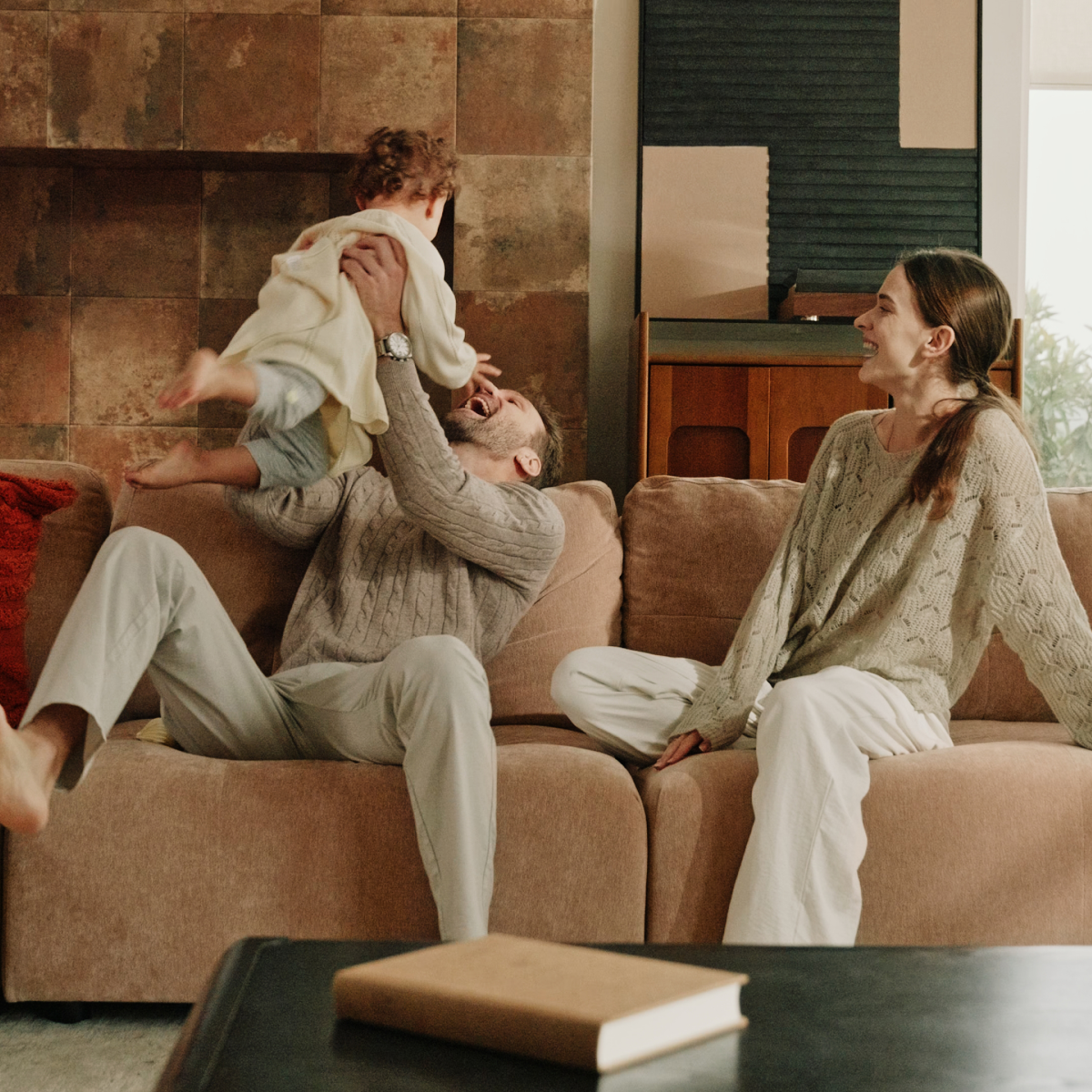
The living room, for example, may eventually become a place for watching television, playing, reading, doing homework, and spending time together as a family. The dining table may become a surface for crafts and schoolwork as well as meals.
That does not necessarily require specialized children's furniture. It requires furniture that is appropriately sized, durable, easy to maintain, and flexible enough to accommodate different activities.
Prioritize the Pieces That Are Hardest to Replace
When planning for future family life, focus first on the furniture that is expensive or disruptive to change.
A sofa that can be reconfigured is generally a more useful long-term investment than a decorative side table that simply happens to match the room. An extendable dining table can be more practical than buying a permanently oversized table for guests you may only host a few times a year.
Think about adaptability at the level of the major furniture pieces rather than trying to make every item in the room future-proof.
3. Make Room for Visiting Parents and Overnight Guests
Extended family can become a much bigger part of home life after marriage, particularly once children arrive.
Grandparents may visit for holidays, stay for several days after a baby is born, or spend more time with the family as children grow. If you live far from family, an occasional overnight guest may become a regular occurrence.
That does not necessarily justify keeping an entire bedroom empty.
A flexible room can be much more useful. A home office can accommodate guests with the right furniture. A hobby room can double as a guest room. A sofa bed can provide occasional sleeping space without permanently dedicating part of the home to a function that is rarely used.
This is particularly valuable in smaller homes, where every room often needs to perform more than one job.
The principle is straightforward: if a room is used infrequently for one purpose, consider whether its furniture can support another use the rest of the time.
4. Choose a Dining Table That Can Accommodate a Larger Household
A dining table is one of the clearest examples of furniture that can benefit from a little foresight.
For two people, a compact table may be all you need. But dining requirements can change quickly once you begin hosting family, have children, or entertain friends.
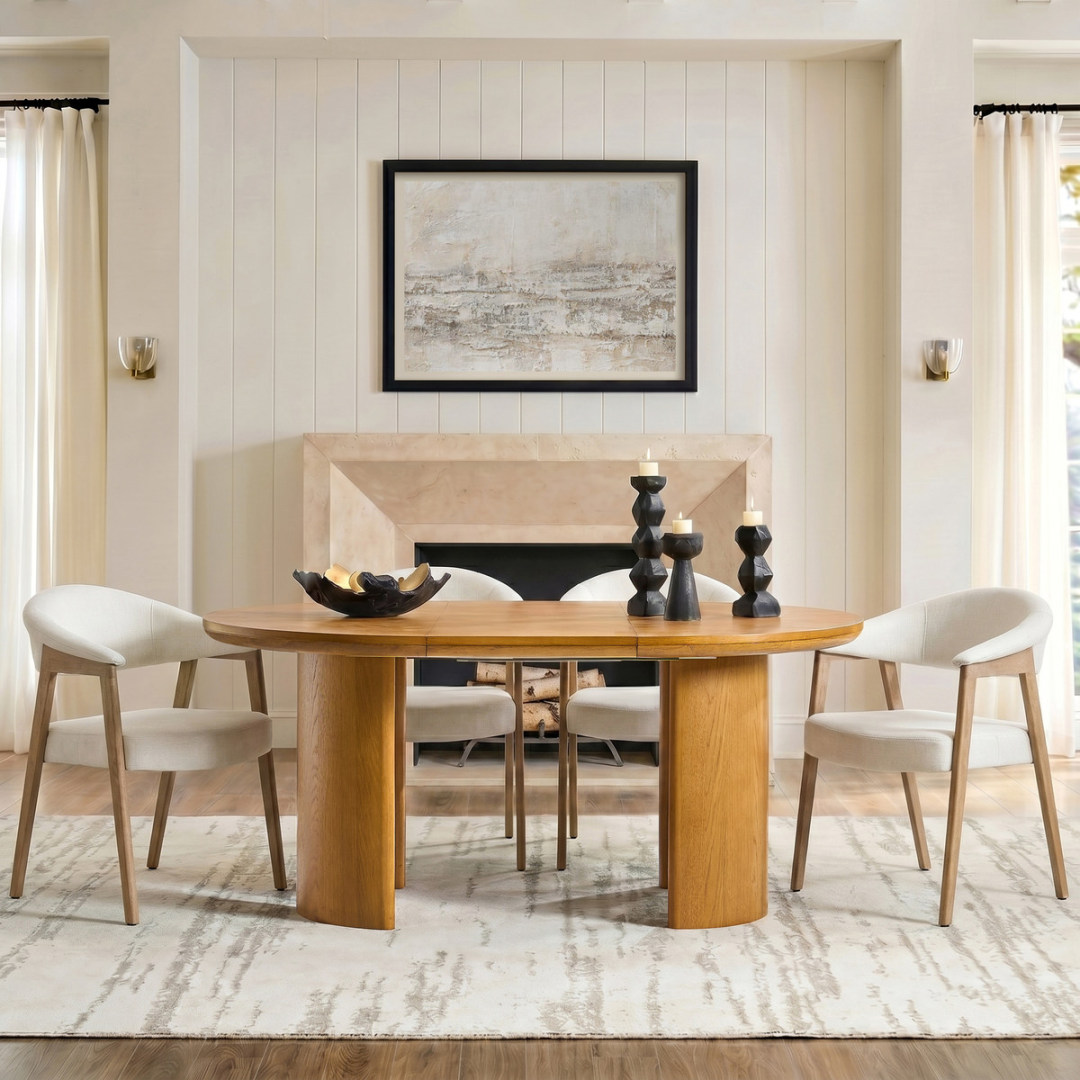
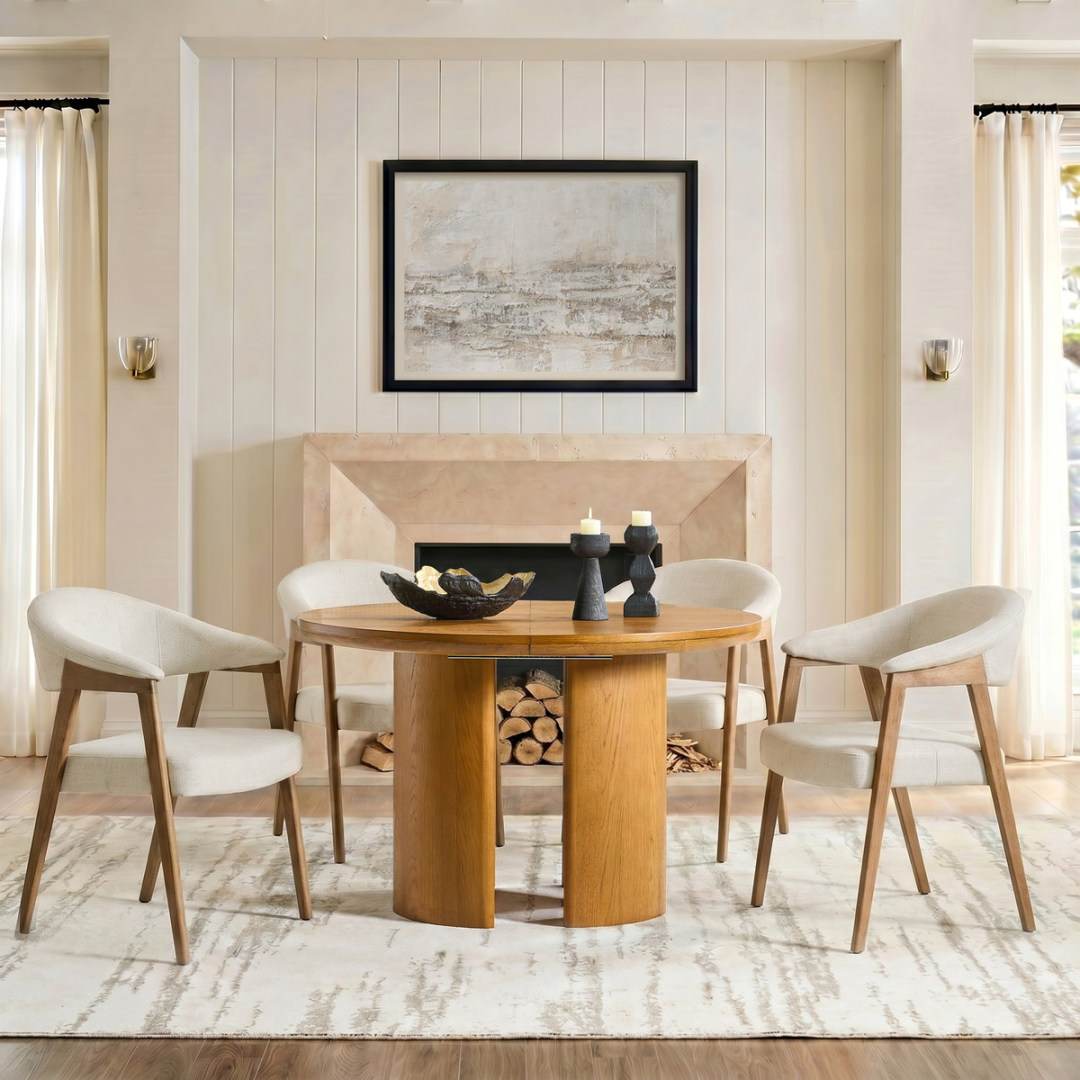
An extendable dining table can solve this without forcing you to live with a large table every day.
Keep the table compact for everyday meals and expand it when additional seating is needed. This preserves valuable floor space while giving you more capacity when the occasion calls for it.
The table's everyday usability also matters. As a household grows, it may become one of the most frequently used surfaces in the home.
It can serve as a place for:
- Family meals
- Children's crafts
- Homework
- Board games
- Working from home
- Holiday gatherings
- Entertaining friends
For that reason, durability, surface maintenance, seating comfort, and ease of expansion deserve as much attention as the table's style.
HULALA's Adaptive Dining Room collection reflects this approach, with extendable dining options designed to provide additional capacity without requiring a permanently oversized table.
5. Build a Living Room That Can Change With Your Household
The living room is often the first room where a growing household becomes noticeably different.
For a couple, the priorities may be comfortable seating, entertaining friends, watching movies, and maintaining an open, uncluttered layout. With children, the same room may need to accommodate play, reading, family activities, and additional seating.
This is one area where modular furniture can offer a practical advantage.
Consider Modular Seating
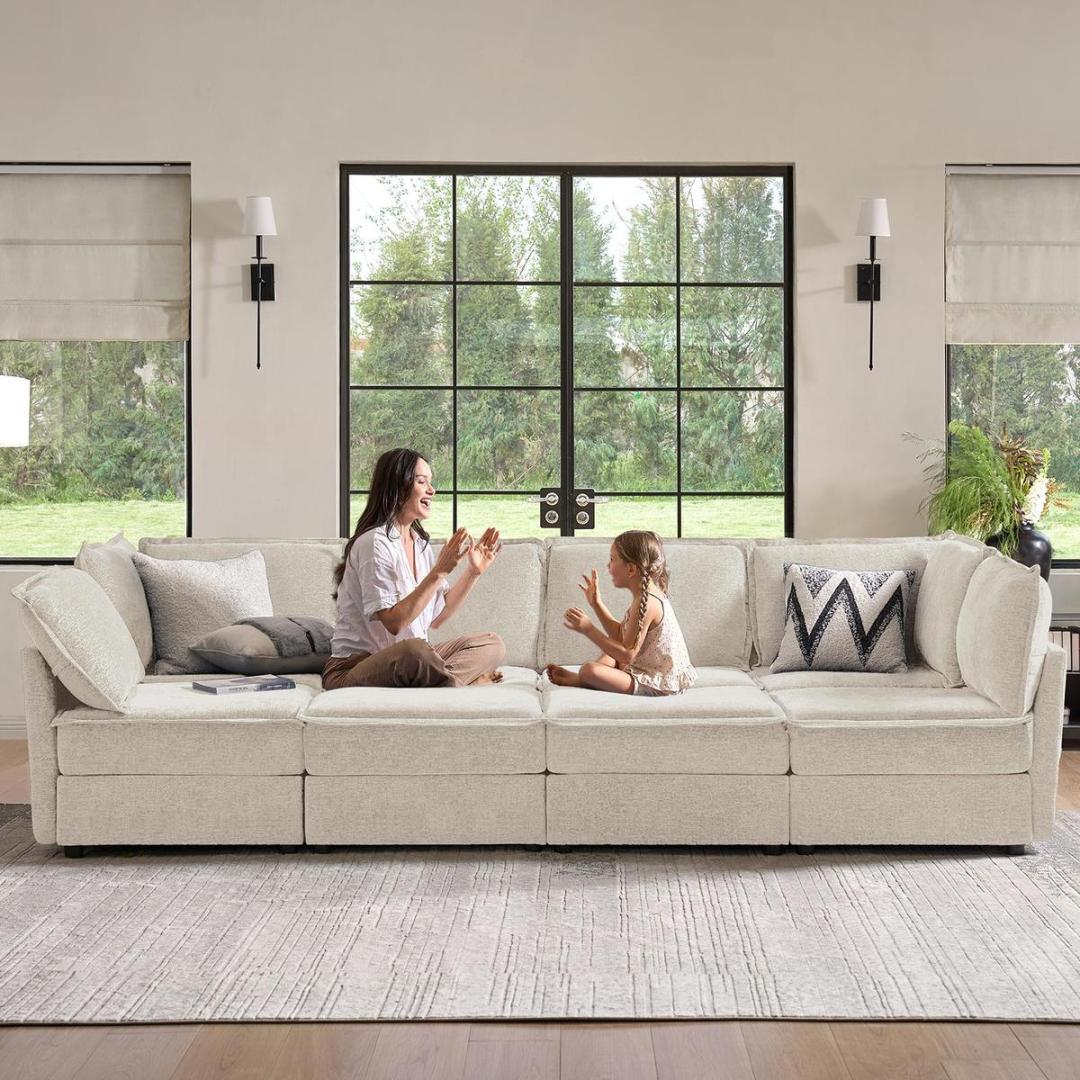
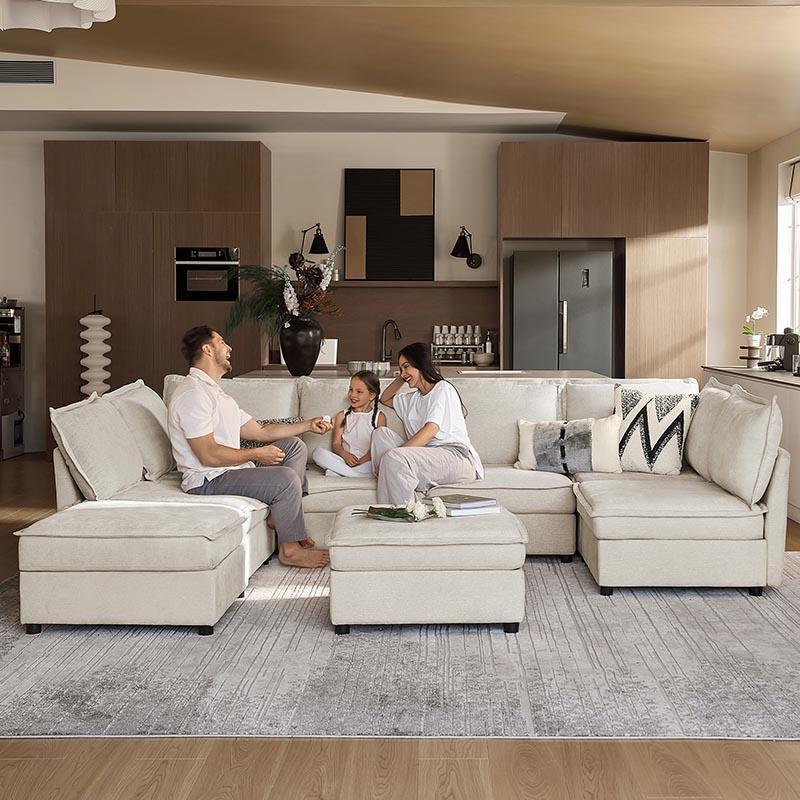
A fixed sectional locks the room into one configuration. Modular seating gives you more freedom to change the arrangement as the room's requirements change.
A couple might prefer a relatively open arrangement today. Later, the same pieces can be repositioned to create a more family-oriented layout or accommodate additional seating.
That flexibility is particularly useful if you expect to move. A modular sofa can often be configured differently in a new floor plan, whereas a large fixed sectional may be difficult to place elsewhere.
HULALA's Adaptive Living Room collection includes modular and sectional seating intended to give homeowners more flexibility in configuring their living spaces.
The broader point is more important than the specific product: when buying a large sofa, consider whether you are buying one configuration or a seating system that can evolve with the room.
Keep the Look Appropriate for Your Home Today
Planning for children does not mean choosing furniture that looks like children's furniture.
A well-designed contemporary sectional, for example, can feel appropriate in an adult home while still being practical in a family setting later.
The better approach is to consider durability, cleanability, scale, and configuration without allowing future family plans to dictate the entire aesthetic of the room.
6. Leave Some Flexibility in the Bedroom
The primary bedroom usually changes less dramatically than the living room, but it can still benefit from thoughtful planning.
When a baby arrives, the bedroom may temporarily accommodate a bassinet, additional storage, or a chair for feeding and nighttime care. Later, those needs may disappear.
For that reason, it is worth resisting the temptation to fill every available corner.
A bedroom with some open floor space is easier to adjust than one crowded with benches, dressers, accent chairs, and decorative furniture.
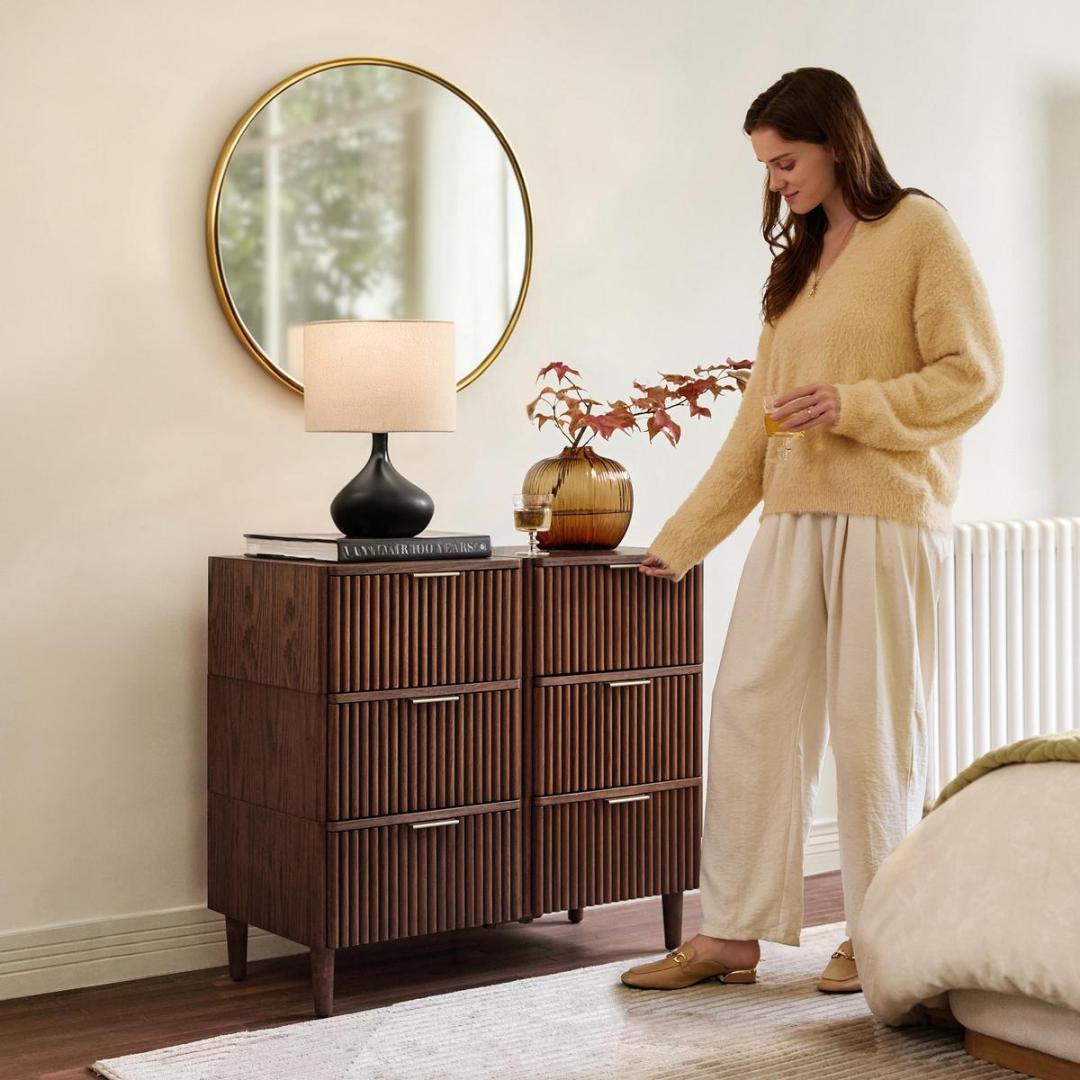
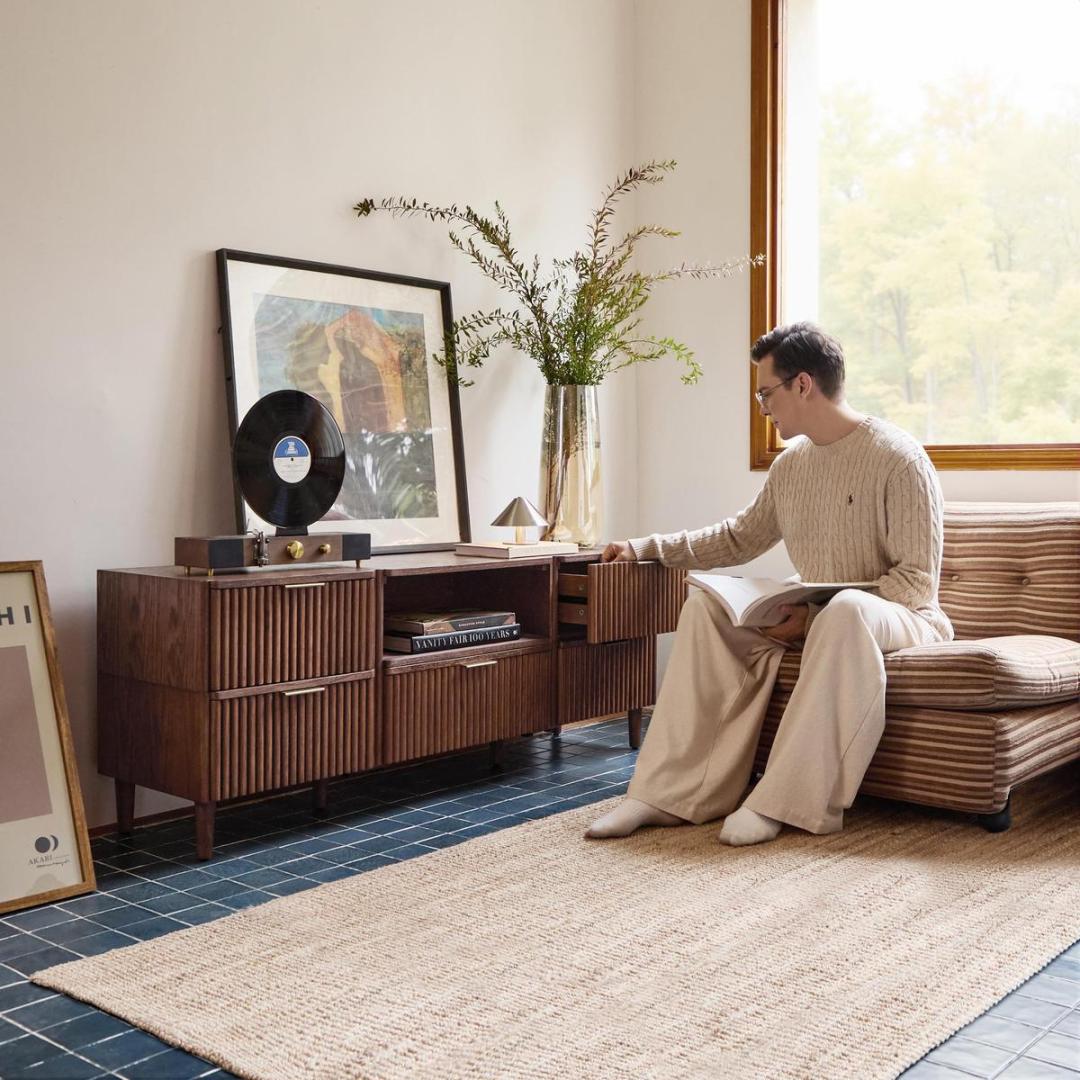
Think About Storage as a System
Storage needs tend to increase as households grow.
Clothing, bedding, seasonal items, children's belongings, and household equipment can gradually take up more space than expected. Instead of purchasing every possible storage piece at once, consider systems that can be supplemented or rearranged later.
The most useful storage is not necessarily the storage with the greatest capacity. It is storage that fits the way the household actually uses the room and can be adjusted as those needs change.
7. Give the Home Office More Than One Possible Future
Work arrangements are another variable that can change over time.
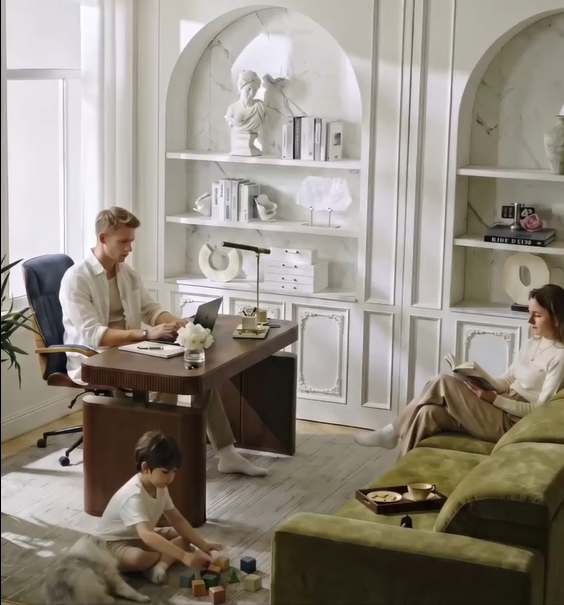
A home office may begin as a dedicated workspace for one partner. Later, both partners may work remotely. A spare bedroom may need to accommodate guests. Eventually, the room could become a study or homework area.
This makes flexible workspace furniture particularly useful.
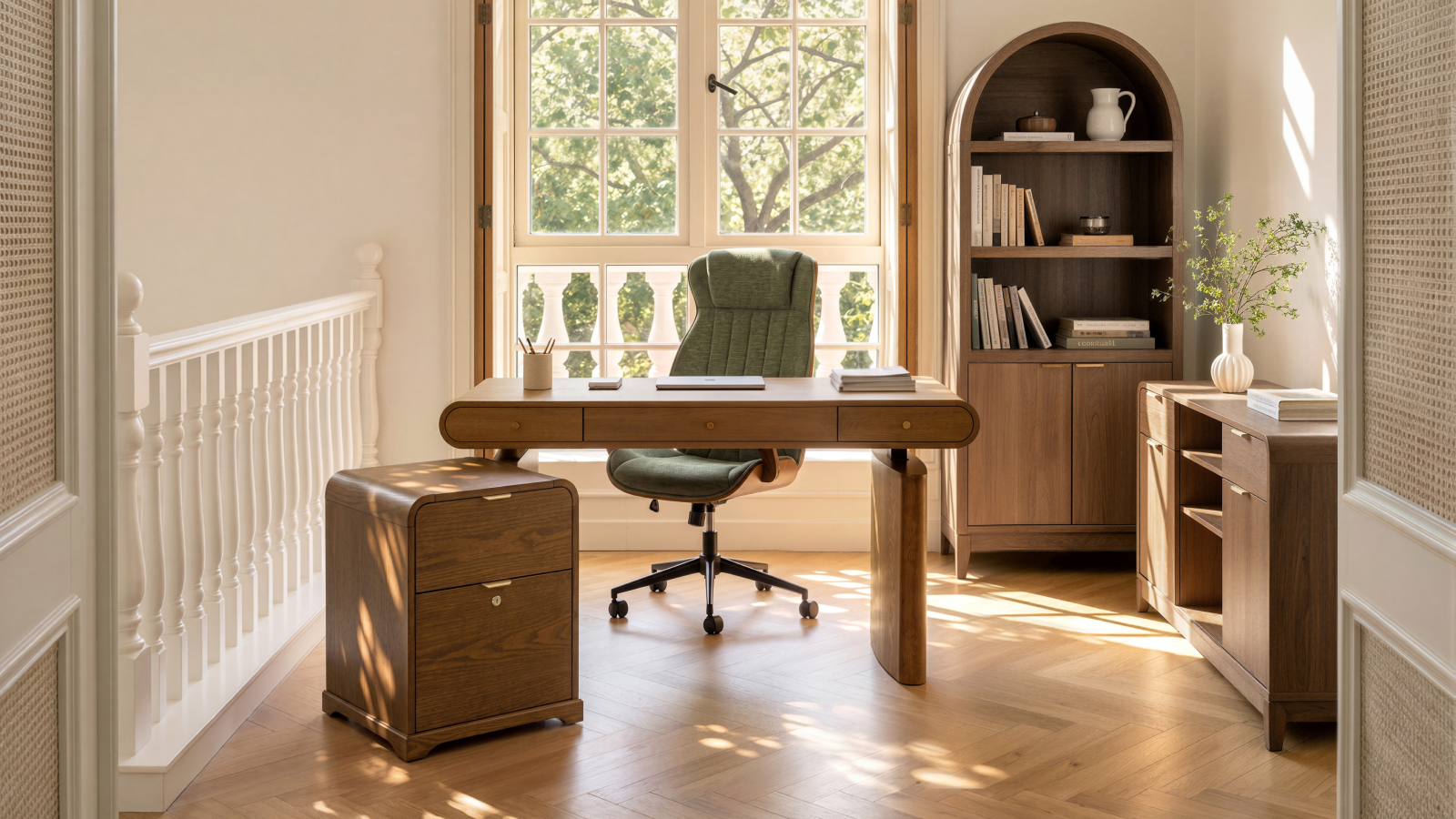
An adjustable desk can accommodate different working positions and users. Well-planned storage can keep work materials organized without permanently taking over the room.
HULALA's Home Office collection includes adjustable standing desks and other workspace furniture designed for different working arrangements.
But the underlying principle applies to any home office: if a room may eventually have another purpose, avoid furnishing it so completely that changing its function becomes difficult.
A desk that can move, adaptable storage, and furniture that does not consume unnecessary floor space can make the room easier to repurpose later.
8. Consider Safety and Maintenance as Family Needs Change
Furniture that works well for two adults may need to meet a different set of practical requirements once young children are using the home.
Safety should become part of the furniture decision, particularly with tall storage and large freestanding pieces.
Consider:
- Stability and tip-over resistance
- Proper anchoring of tall furniture
- Edge and corner profiles
- Accessible electrical cords
- Upholstery that can be cleaned easily
- Clear circulation paths
- Placement of furniture around areas where children play
These considerations do not require abandoning a sophisticated interior style. They simply become part of evaluating whether a piece is appropriate for the household.
Material selection matters here as well. A beautiful fabric that is difficult to clean may become frustrating in a high-use family room, while a durable, easy-care upholstery may continue to look good with considerably less maintenance.
9. Spend More Thought on the Furniture You Will Keep the Longest
Not every purchase needs to be treated as a lifetime decision.
Decorative accessories are relatively easy to replace. So are lamps, cushions, artwork, and small occasional tables.
Large furniture is different.
Replacing a sectional or dining table involves more money, more labor, and often a complete rethink of the room's layout. That makes these pieces worth evaluating more carefully before purchase.
A useful way to allocate your furniture budget is to distinguish between replaceable pieces and foundational pieces.
Foundational pieces include:
- Sofas and sectionals
- Dining tables
- Beds
- Major storage
- Desks and larger workspace furniture
For these purchases, look at construction quality, dimensions, configuration, materials, and long-term usability rather than making the decision based on appearance alone.
The goal is not necessarily to spend more. It is to make the more consequential purchases with greater care.
10. Do Not Oversize Your Home for a Future You Cannot Predict
Planning ahead can easily go too far.
A couple living comfortably in a small apartment does not necessarily need a twelve-seat dining table because they may eventually have children. A large sectional can make a compact living room feel cramped for several years before the household ever needs the extra seating.
Future planning should improve the current home, not make it less comfortable.
An extendable table is useful precisely because it is compact when you do not need the additional capacity. Modular seating works because it can be configured according to the room you have rather than the household you might eventually have.
This is a more practical form of future-proofing: buy furniture that can do more, rather than furniture that is simply bigger.
11. Think in Terms of Furniture Lifecycles
A useful way to approach your first home is to think about the expected lifecycle of each major piece.
Ask yourself:
How long do we expect to keep this?
How likely is our household to change during that period?
If our needs change, can the furniture adapt—or will we have to replace it?
A dining table that can accommodate two people today and six people later has a longer useful lifecycle than a table that becomes unsuitable as soon as you start hosting regularly.
A modular sofa may remain useful through a move or a change in room layout.
A flexible home office can continue serving a purpose even if the original work arrangement disappears.
This way of thinking shifts the furniture decision from "What looks right for our first home?" to "What is likely to remain useful throughout the time we own it?"
That is a much more useful question when making significant furniture purchases.
12. Furnish for the Life You Have, With Room for the Life Ahead
A newly married couple's first home should still feel like their home.
There is no reason to choose furniture solely because it might be useful with children several years from now. At the same time, it is worth recognizing that some furniture purchases will outlast the circumstances in which they were originally made.
The best balance is to make the home comfortable and personal today while choosing major pieces that are capable of handling reasonable changes later.
That could mean an extendable dining table rather than a permanently oversized one. It could mean a modular sofa rather than a fixed configuration. It could mean a home office that can eventually share its space with guests or children.
This is where the idea of an adaptive home becomes useful.
Adaptive furniture is not about predicting exactly how a household will change. It is about giving the homeowner more options when it does.
For newly married couples, that can mean fewer compromises between the home they want now and the home they may need later.
A Furniture Checklist for Newly Married Couples
Before making a major furniture purchase, consider three things: how the piece works today, how long you are likely to keep it, and how easily it can accommodate change.
For Your Current Home
- Does it fit the room comfortably?
- Does it suit the way you actually use the space?
- Is it comfortable for both of you?
- Does it fit the aesthetic you want for your home?
For Possible Future Changes
- Could it work with children in the household?
- Could it accommodate visiting parents or overnight guests?
- Can its configuration or function change?
- Could it work in another room?
- Would it still be useful after a move?
For Long-Term Value
- Is it durable enough for years of everyday use?
- Can components be added, removed, or rearranged?
- Is the material appropriate for the level of use?
- Would replacing it be expensive or disruptive?
- Does it offer useful flexibility without taking up unnecessary space?
If a major piece works well today and still leaves you options later, it is likely to be a stronger long-term purchase than something optimized for a single stage of life.
Your First Home Does Not Have to Anticipate Everything
Marriage is a new stage of life, but there is no need to furnish your home as though you already know exactly what the next ten years will look like.
Households change. Work arrangements change. Children grow. Parents visit. People move.
Furniture cannot—and does not need to—predict all of that.
What it can do is give you enough flexibility to respond.
Start by furnishing the home you actually have. Choose pieces that fit your current space, reflect your style, and make everyday life comfortable. Then, for the larger investments that you expect to keep for years, look for furniture that can accommodate more than one configuration, one room, or one stage of life.
That is the practical value of an adaptive approach to furniture.
Your home does not need to be designed for a hypothetical future. It simply needs enough flexibility to remain useful when that future arrives.
The best first-home furniture is not furniture that tries to predict your life. It is furniture that leaves you room to live it.