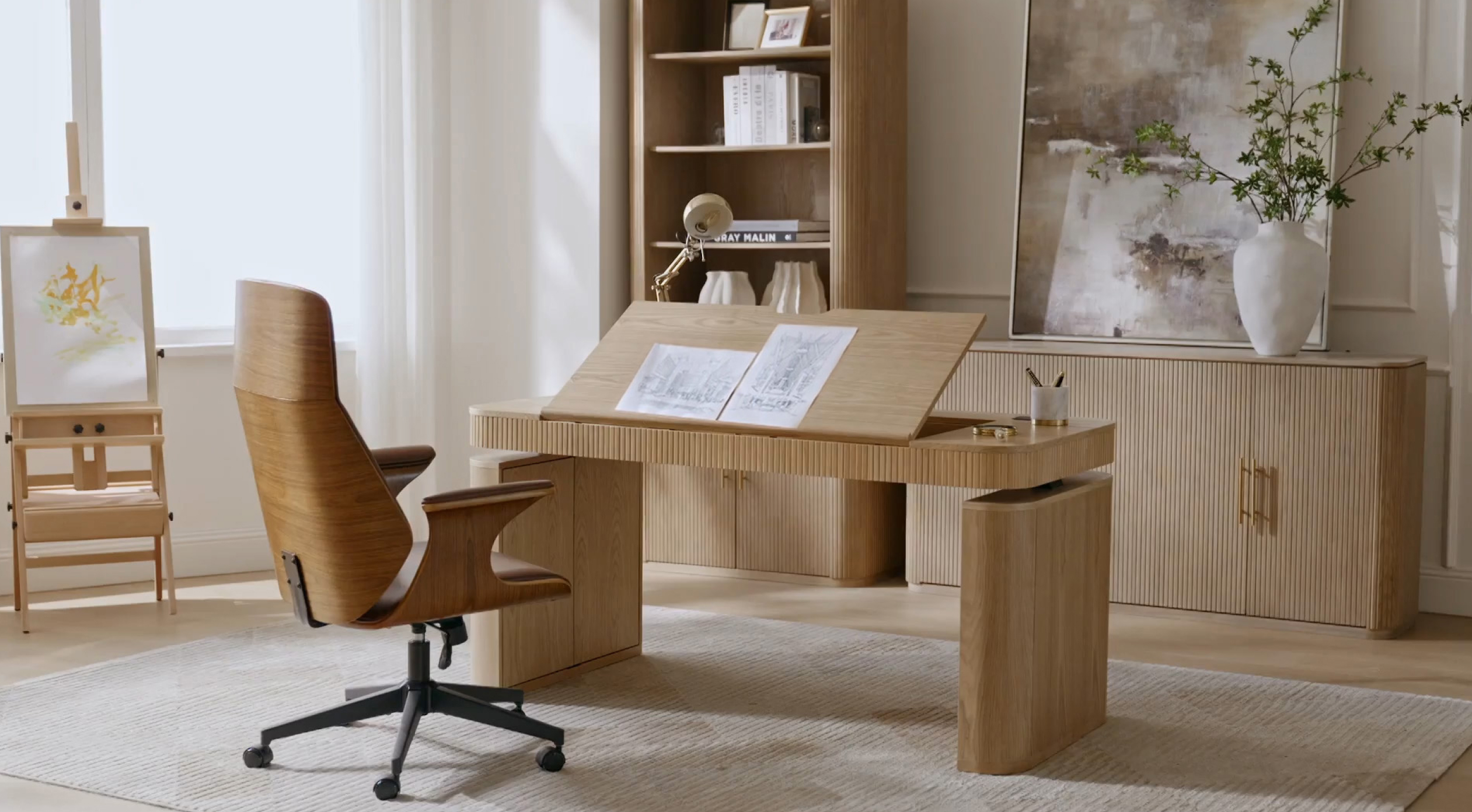
Labor Day Is More Than a Day Off
Labor Day offers a natural pause from busy schedules, meetings, and everyday routines. It is also a good time to notice which parts of your workday make life easier—and which create unnecessary effort.
For anyone working from home, that often starts with the space around you.
A better home office is not about working longer. It is about creating a space that supports the workday, adapts as your needs change, and makes it easier to switch off when the work is done.
A Better Work Routine Should Make the Whole Day Easier
Start With the Friction You Notice Every Day
Small discomforts can add up.
Maybe your chair feels less supportive after a long meeting. Maybe your desk works well for typing but not for reading, drawing, or reviewing documents. Or maybe work materials stay visible long after you have logged off.
A better routine can begin by asking one simple question:
What would make this part of my day easier?
The answer may be better organization, more movement, or home office furniture that gives you more flexibility throughout the day.
Choose Furniture That Moves With Your Routine
Let Your Desk Change With the Day
Few workdays happen in one position or involve only one kind of task.
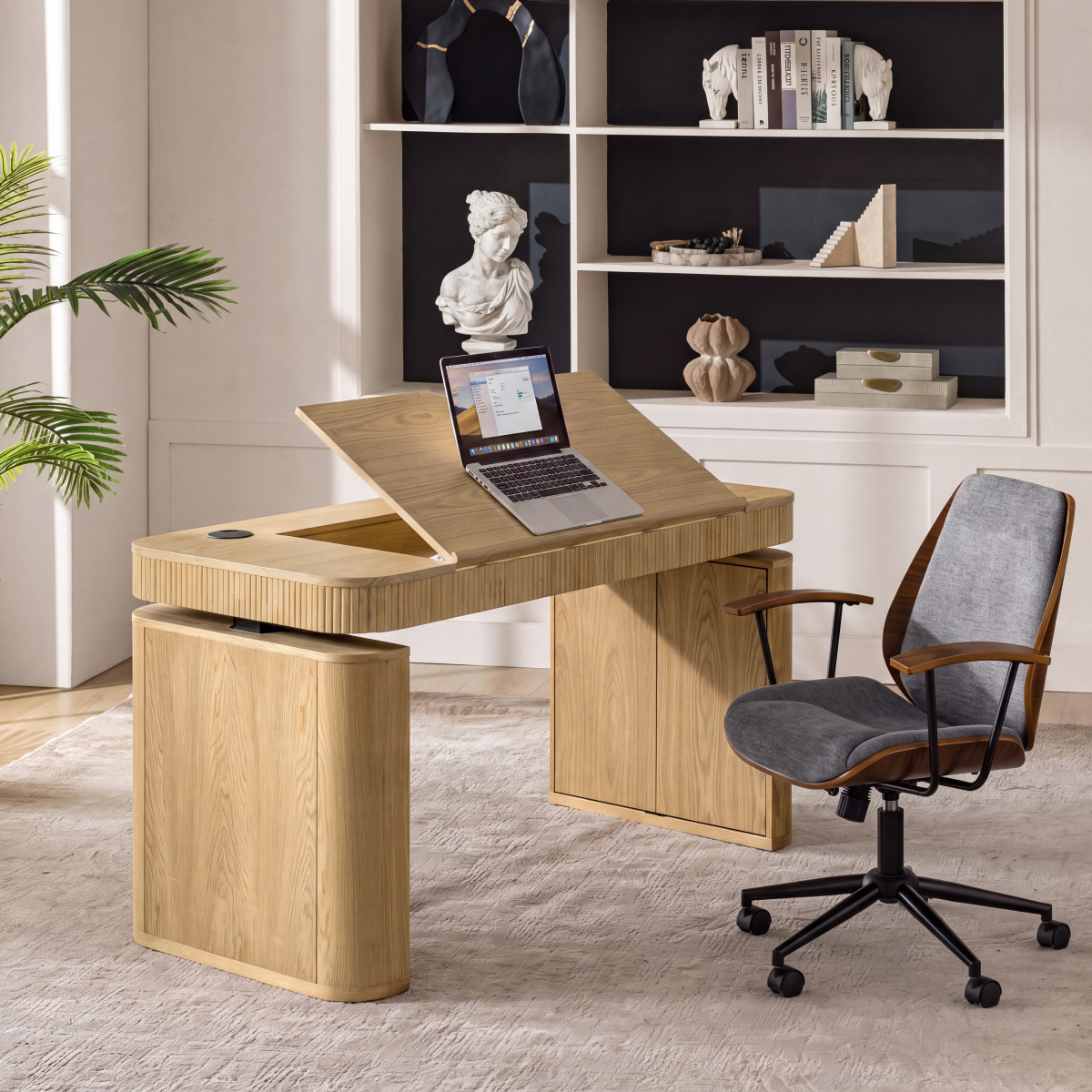
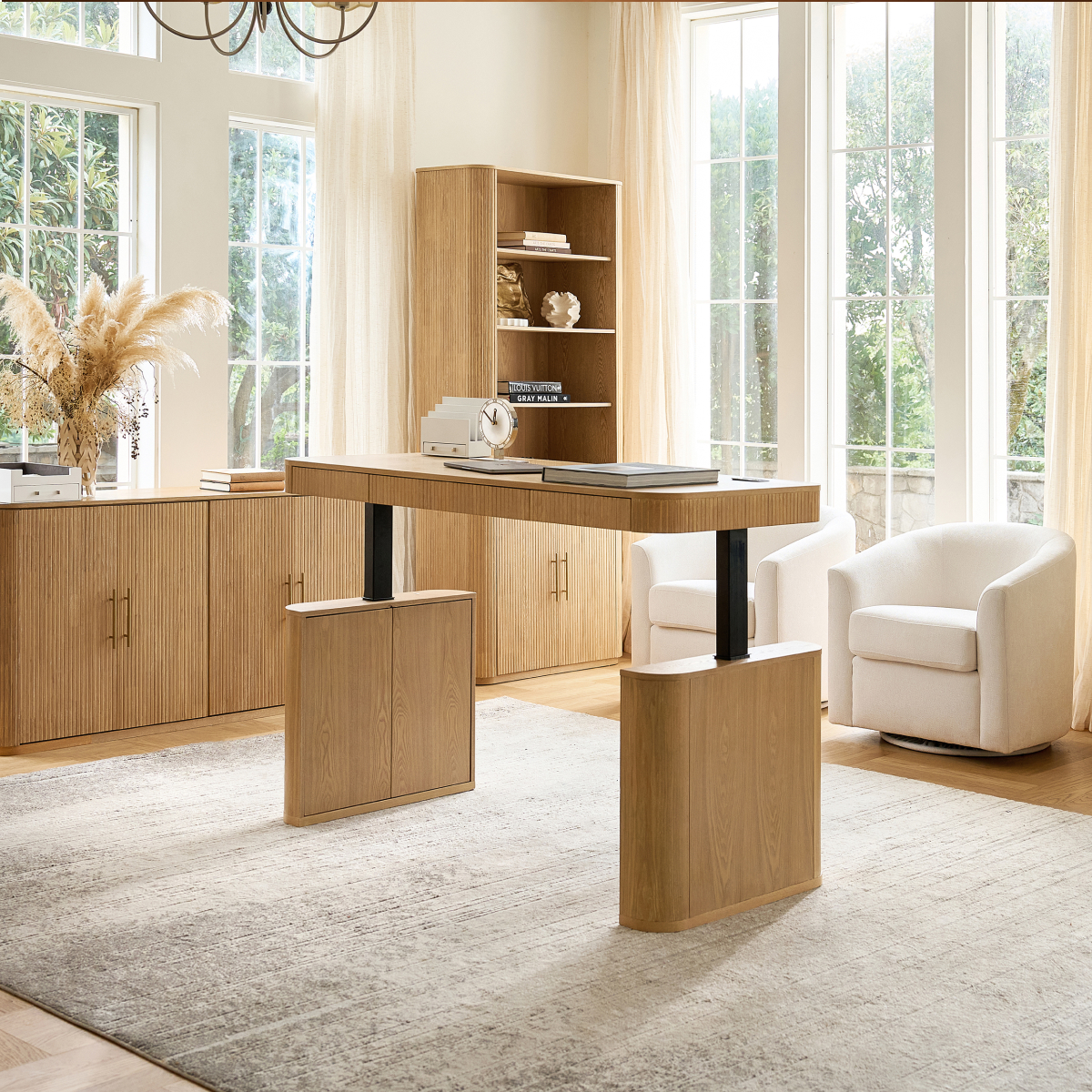
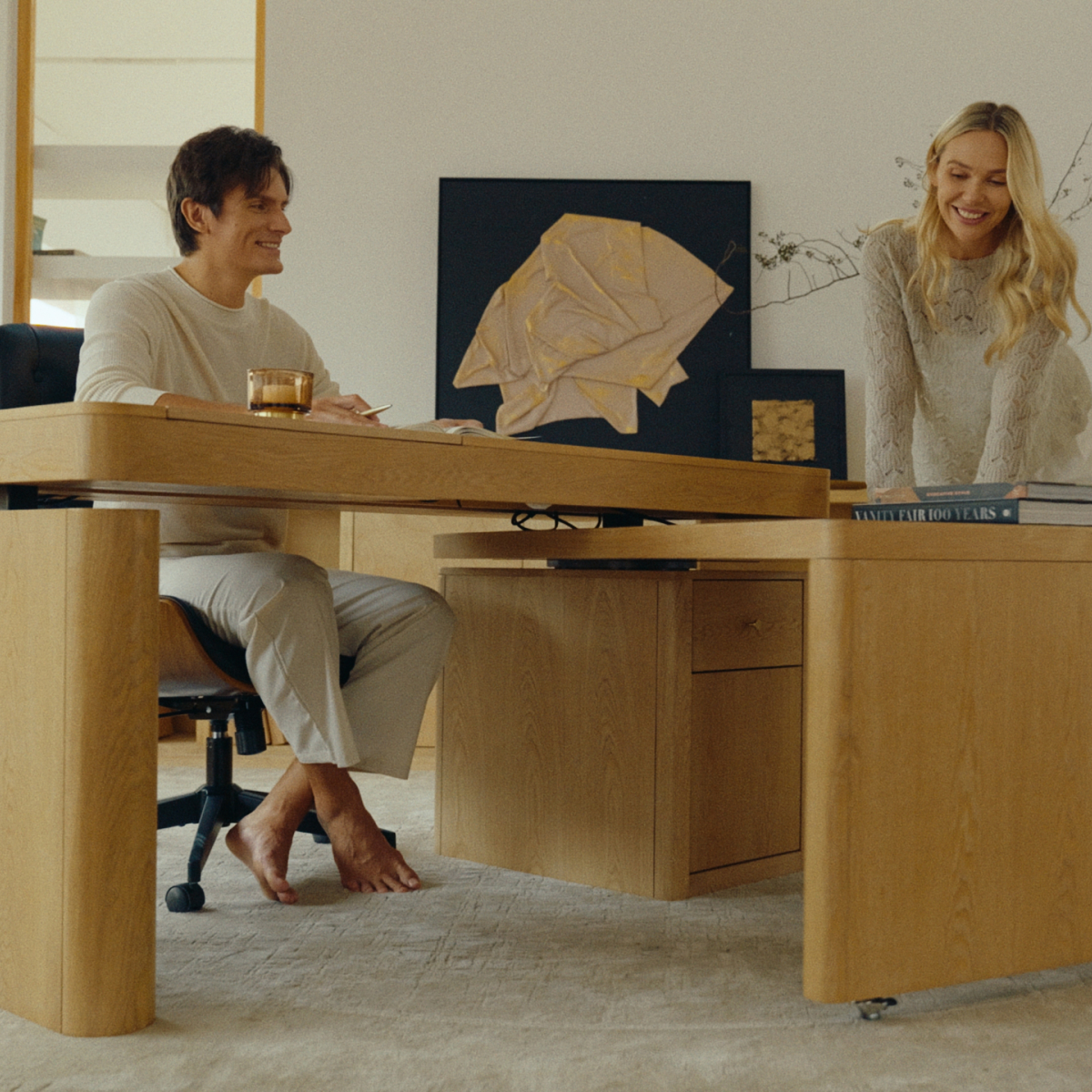
An adjustable standing desk lets you move between sitting and standing as the day changes. For even more flexibility, a drafting standing desk with a tilting desktop can support tasks that feel better at an angle, from reading and writing to sketching and creative work.
Keep the desktop flat for computer work. Raise it when you want to stand. Tilt the surface when the task calls for a different working angle.
Instead of adjusting yourself around a fixed workspace, the workspace can adjust around you.
For a home office that serves more than one purpose, that kind of flexibility can make one desk work across more moments of the day.
Choose a Chair That Supports You
A comfortable workspace also depends on the chair you use.
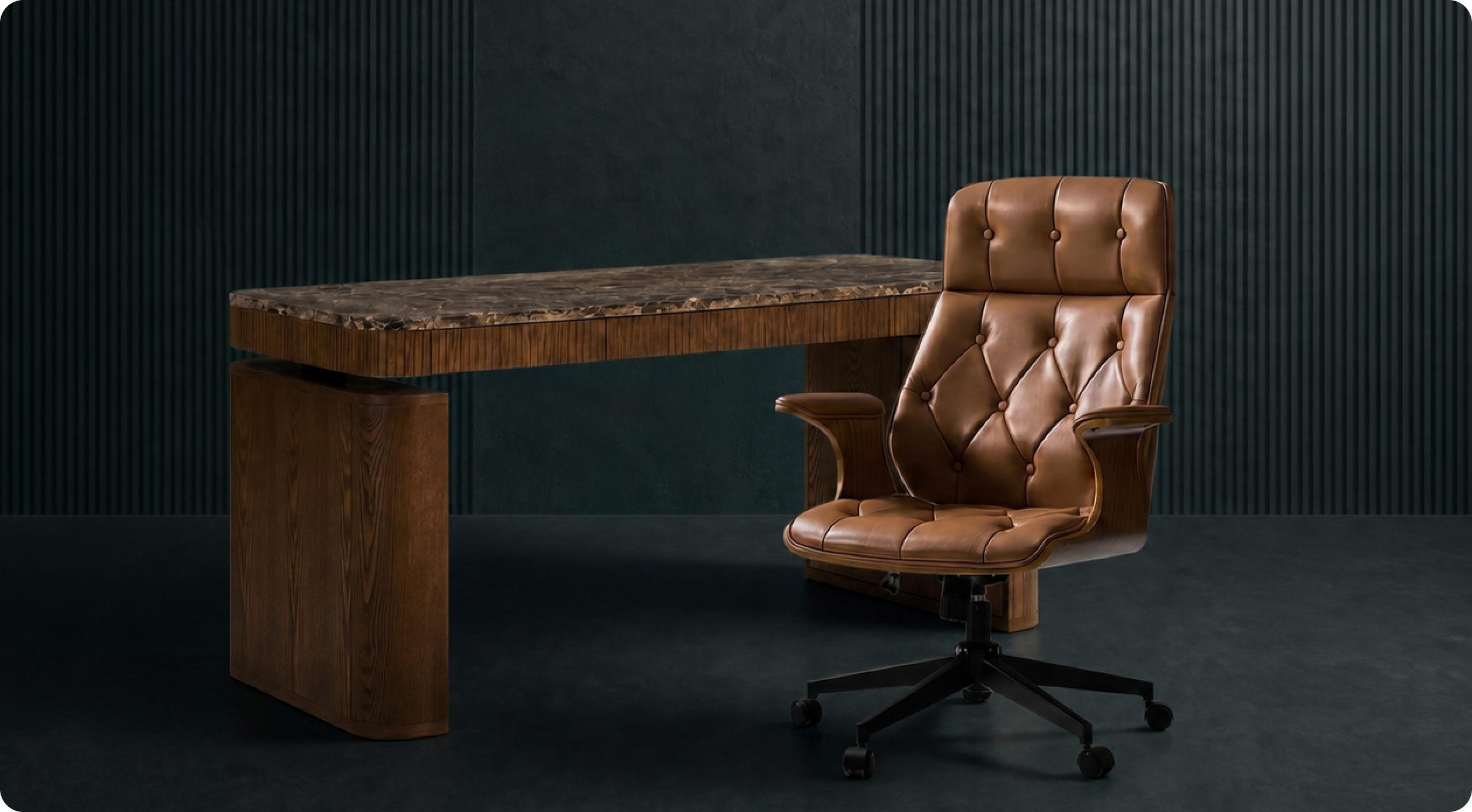
A supportive ergonomic office chair can make long periods of seated work more comfortable, especially when it offers adjustable positioning, cushioning, and back support.
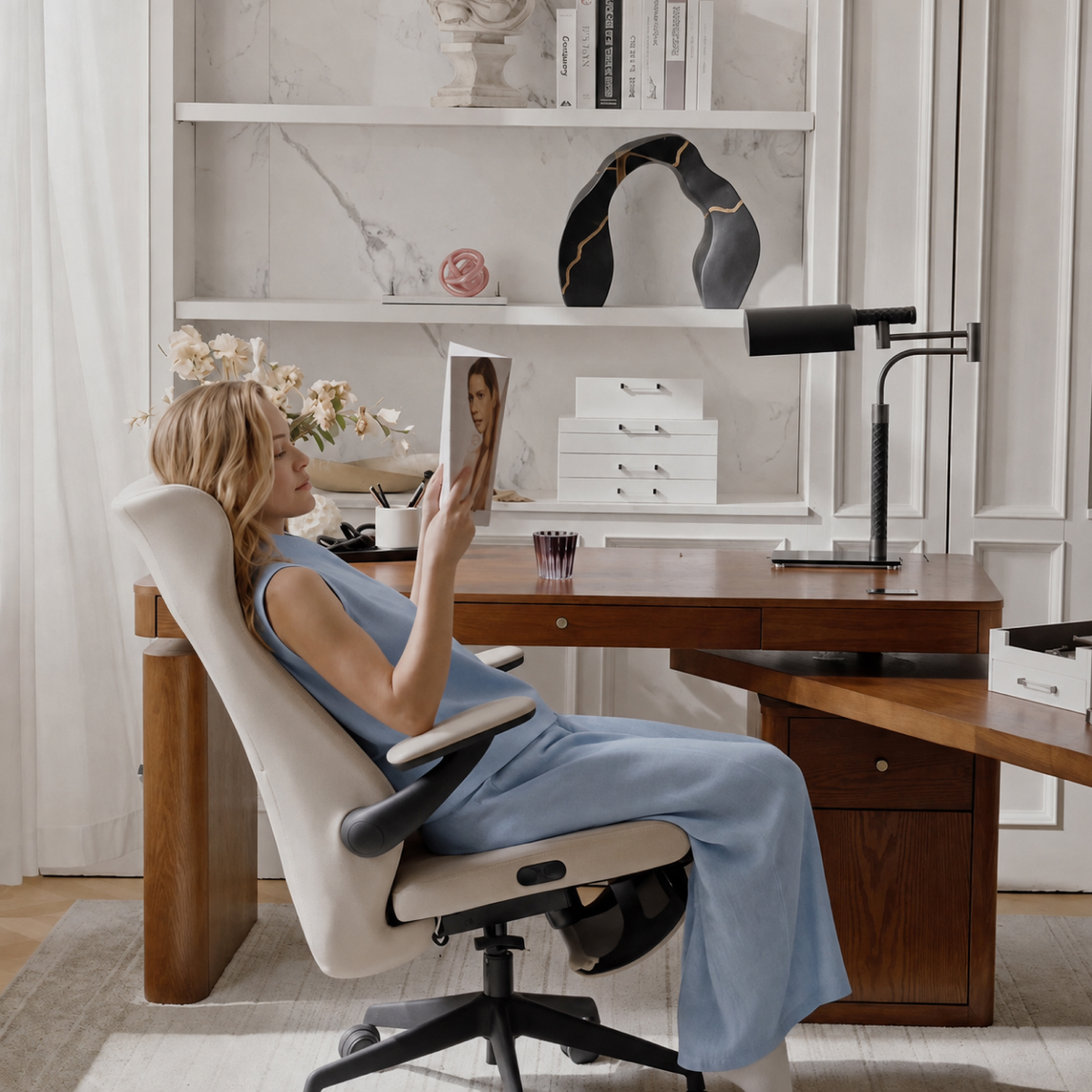
For people who want extra comfort during long workdays, a massage office chair can bring supportive seating and relaxing features into the same space.
The goal is simple: choose furniture that helps your workspace feel easier to use, not harder to manage.
Build More Movement Into Your Workday
Give Different Tasks Different Setups.
Not every task needs the same position.
Focused computer work may feel best while seated. A call may be a good time to stand. Reading, writing, or creative work may feel more natural with an angled desktop.
A flexible workspace gives you options without forcing you into one fixed setup.
This idea is central to HULALA HOME's Adaptive Design approach: furniture should respond to changing routines, spaces, and everyday needs.
Instead of asking you to adapt to the furniture, the furniture should work around you.
Make the End of the Workday Part of Your Routine
Create a Clear Shift From Work to Home
When your office is inside your home, there is no commute to signal that the workday is over. A simple end-of-day routine can help create that transition.
Close the laptop. Clear the desktop. Put work materials away. Reset your desk and leave the workspace ready for tomorrow. Small habits like these can make it easier for the room to feel like home again.
Your Home Office Still Has to Feel Like Home
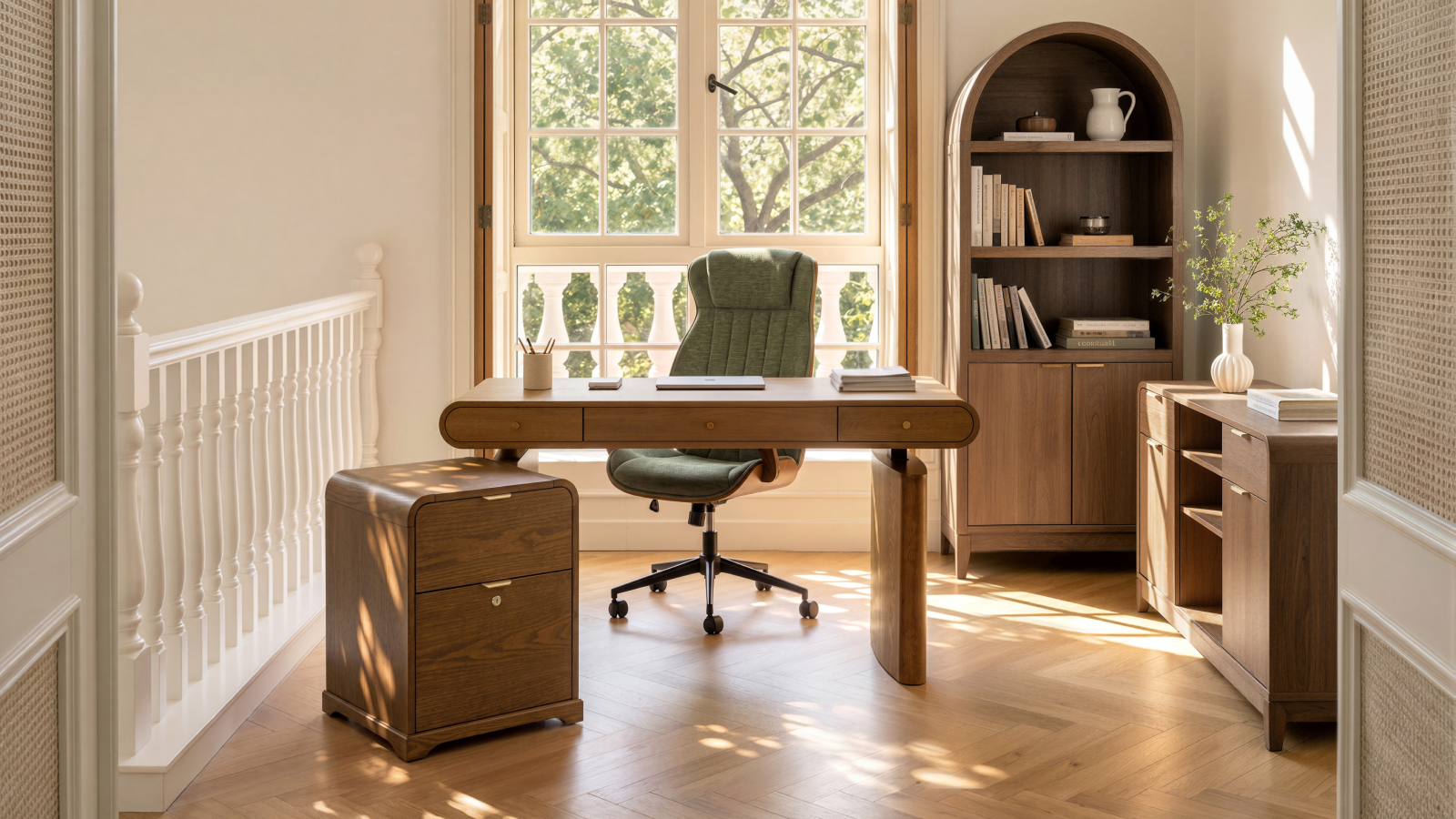
A functional workspace does not need to dominate the room around it. Flexible designs, clean silhouettes, and practical home office storage can help work areas fit more naturally into everyday living.
This matters especially in smaller homes, where one room may need to support working, reading, creative projects, and relaxing. Explore a thoughtfully designed Home Office Collection to find pieces that can work across more than one part of your routine.
Make More Room for Life After Work
A good home office helps you focus when it is time to work. A thoughtful one also makes it easier to stop. After a day of meetings, decisions, and deadlines, home should not feel like another system you have to manage.
Furniture that adjusts easily, supports everyday comfort, and fits naturally into your space can help reduce the small amounts of effort that build up throughout the day. When the work is done, your home should be ready for what comes next.
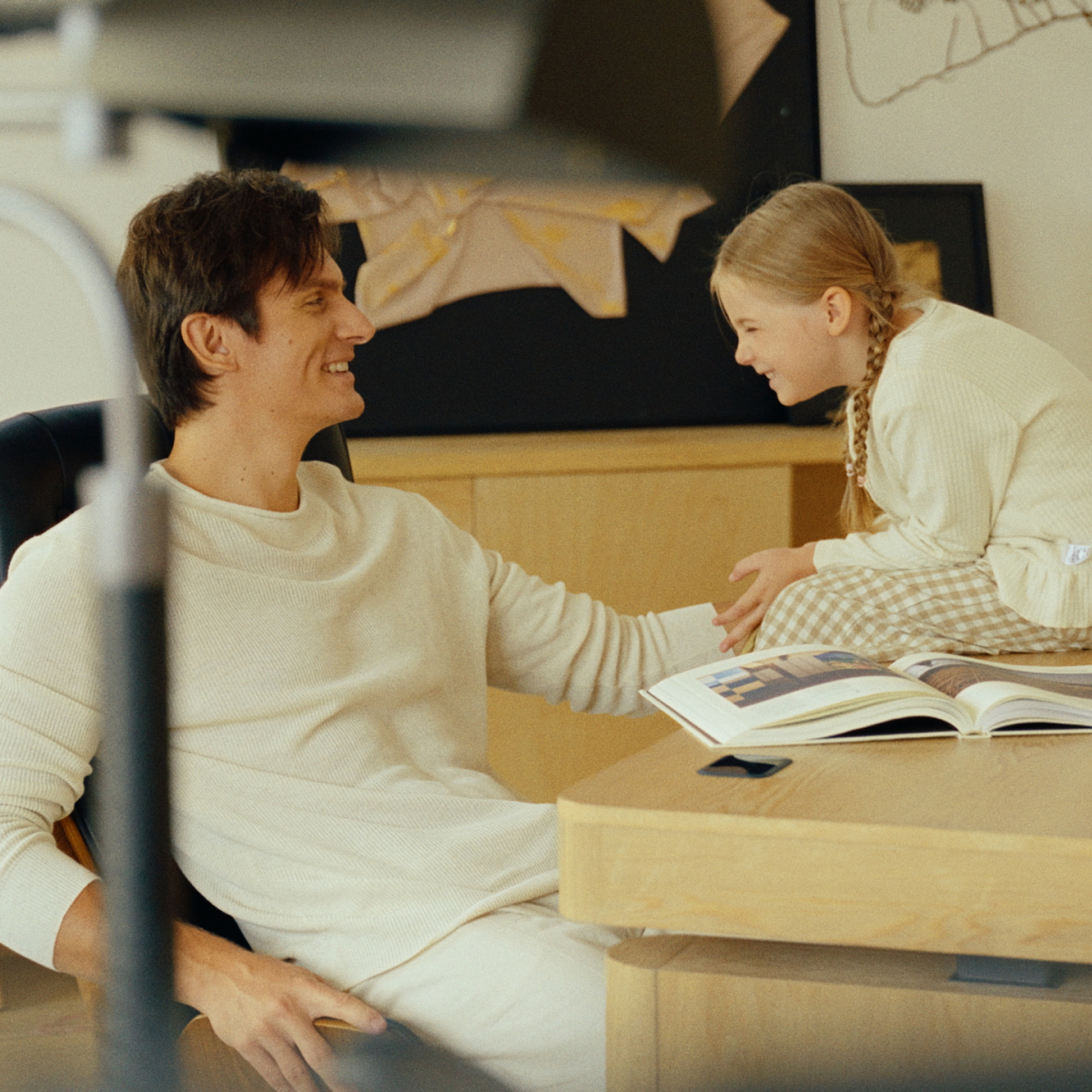
Dinner. A book. Time with family. A favorite show. Or simply a quiet evening. That is what it means to create a home made for life after work.
Let Labor Day Be a Reset
Labor Day does not need to become a complete home office makeover. A better routine can start with one thoughtful change.
Choose a more supportive chair. Give yourself the freedom to sit, stand, or adjust the angle of your workspace.
Clear one area that has become cluttered. Create a small ritual that tells you when work is officially over.
At HULALA HOME, Adaptive Design is made for real routines, changing spaces, and everyday life. Because after the work is done, home should ask less of you.
Rest Comes Easy.
Explore the HULALA HOME Labor Day Event and discover furniture designed for work, life, and everything that comes after.
FAQs
How can I improve my home office routine?
Start with the parts of your workday that feel uncomfortable or inconvenient. A supportive chair, an adjustable desk, better organization, and regular position changes can all help make the day feel easier.
Is a standing desk good for working from home?
An adjustable standing desk gives you the flexibility to alternate between sitting and standing throughout the day and adapt your workspace to different tasks.
What is a drafting standing desk?
A drafting standing desk combines height adjustment with a desktop that can tilt, giving you more flexibility for computer work, reading, writing, sketching, or other tasks that may feel more comfortable at an angle.
What should I look for in an ergonomic office chair?
Look for supportive cushioning, a comfortable backrest, adjustable positioning, and features that fit the way you work throughout the day.
How can I separate work and personal time when working from home?
Create a simple end-of-day routine. Close your computer, clear your workspace, put work materials away, and move into another activity to help signal that the workday is finished.