Furniture is more than something that fills a room. The pieces you choose influence how you work, relax, gather with family, and enjoy your home every day. A supportive office chair can make long workdays more comfortable, while a thoughtfully designed dining table can encourage meaningful conversations and shared meals.
When buying furniture, it's easy to focus on appearance, price, or current trends. However, if your goal is to improve your quality of life, it's worth taking a broader view. The best furniture doesn't just look good—it supports your daily routines, adapts to changing needs, and continues to bring value long after the excitement of a new purchase fades.
Before making your next investment, consider these important factors.
Start With Your Lifestyle, Not the Furniture
The most successful homes are designed around the people who live in them—not around furniture catalogs or social media trends.
Think About How You Actually Live
Before choosing any piece of furniture, ask yourself questions such as:
- Do you work from home several days a week?
- Do you have children or pets?
- Do you frequently host family and friends?
- Are you furnishing a small apartment or a growing family home?
- Do you expect your living situation to change within the next few years?
Your answers should guide your furniture decisions more than any design trend.
Plan for Everyday Habits Instead of Ideal Scenarios
Many people buy furniture based on the lifestyle they hope to have rather than the one they actually live.
For example, purchasing an oversized formal dining table may seem appealing, but if you rarely entertain guests, a more flexible dining solution may serve your everyday life much better.
Furniture should make your daily routines easier—not create unnecessary obstacles.
Prioritize Comfort for Everyday Living
Furniture has a direct impact on your physical comfort and overall well-being.
Furniture Should Support Daily Well-Being
Comfort isn't just about softness. Good furniture supports the way your body naturally moves and rests.
Consider factors such as:
- Ergonomic seating for long working hours
- Proper seat depth and back support
- Comfortable dining chairs for longer meals
- Sofas that provide support as well as relaxation
- Beds that promote healthy sleep
These details can significantly affect how you feel every day.
Comfort Matters More Than First Impressions
A beautiful chair that becomes uncomfortable after twenty minutes is unlikely to improve your quality of life.
While aesthetics are important, furniture should first perform its intended function exceptionally well. When comfort and design work together, you'll enjoy your home far more over the long term.
-jpeg.jpg?w=1002&h=1002)
Choose Quality That Lasts
High-quality furniture often delivers better long-term value than frequently replacing lower-quality pieces.
Durable Materials Save Money Over Time
Pay attention to the materials used throughout the product.
Examples include:
- Solid wood or high-quality engineered wood for structural strength
- Durable upholstery fabrics designed for everyday use
- Performance fabrics that resist stains and wear
- High-density foam that maintains its shape longer
Better materials generally lead to better durability and lower replacement costs.
Construction Matters as Much as Appearance
Quality craftsmanship often determines how furniture performs over time.
Look beyond the finish and consider:
- Frame construction
- Joinery methods
- Cushion support systems
- Drawer hardware
- Stability and weight capacity
A well-built piece can remain functional and attractive for many years.
Look for Furniture That Can Adapt as Life Changes
One of the smartest investments you can make is choosing furniture that remains useful as your lifestyle evolves.
Your Home Will Change Over Time
Life rarely stays the same.
You may:
- Move to a new home
- Start working remotely
- Welcome children
- Need additional storage
- Redesign a room for a different purpose
Furniture that adapts to these changes often provides greater long-term value.
Flexible Furniture Supports Long-Term Living
Adaptable furniture helps your home evolve without requiring a complete redesign.
Examples include:
- Modular seating that can be reconfigured
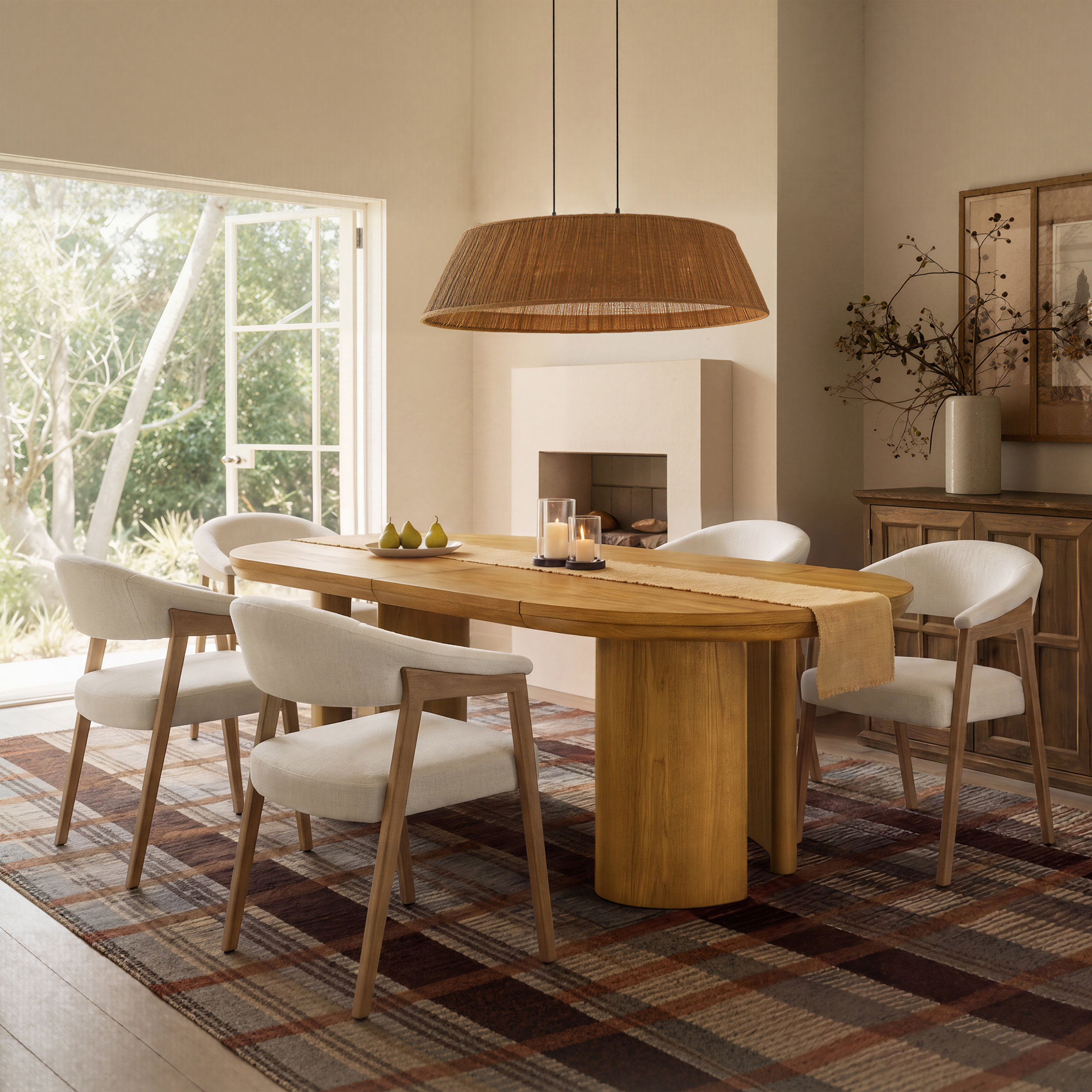
- Extendable dining tables for changing household sizes
- Height-adjustable desks for flexible workspaces
- Multi-functional storage that fits different rooms
Rather than replacing furniture every time life changes, adaptable designs allow your home to grow with you. This approach not only saves money over time but also creates a living environment that feels more functional and less disruptive as your needs evolve.
Balance Style With Timeless Design
Personal style matters, but longevity should matter too.
Avoid Chasing Every Trend
Design trends come and go quickly.
Choosing furniture solely because it's popular today may lead to regret a few years later.
Instead, look for designs that feel authentic to your taste rather than temporary fashion.
Choose Pieces You'll Still Enjoy Years From Now
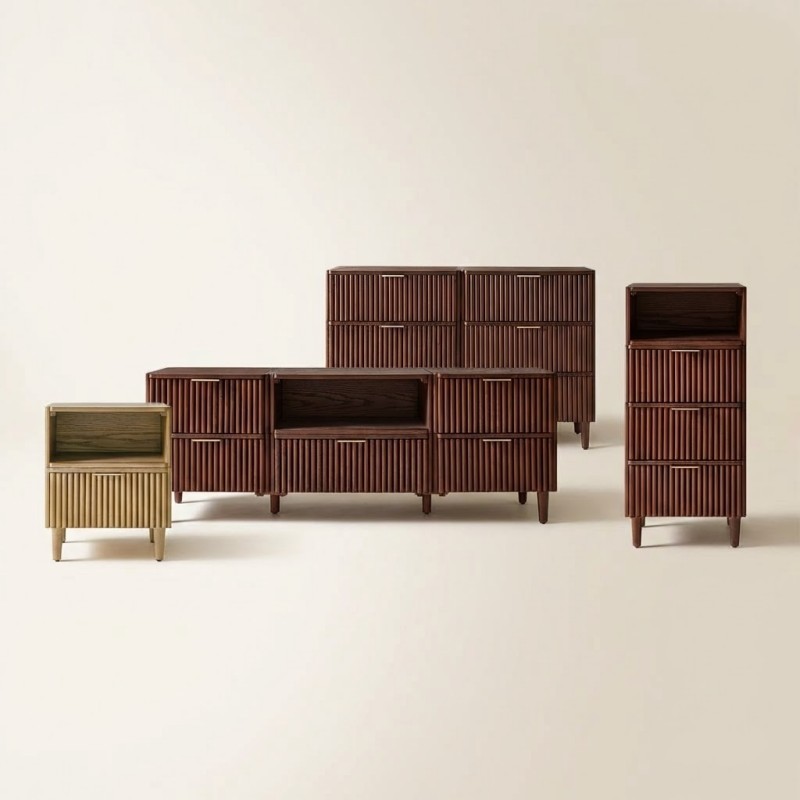
Timeless furniture often features:
- Clean lines
- Balanced proportions
- Neutral colors
- Versatile silhouettes
You can always update a room's personality with rugs, artwork, pillows, or lighting while keeping your core furniture for many years.
.webp?w=2880&h=1508)
Think Beyond the Purchase Price
The sticker price tells only part of the story.
Consider the Total Cost of Ownership
A less expensive piece may require replacement after only a few years, while a higher-quality option could remain useful much longer.
Think about:
- Expected lifespan
- Maintenance requirements
- Repair costs
- Replacement frequency
- Daily performance
Evaluating these factors provides a more accurate picture of long-term value.
Better Value Isn't Always the Lowest Price
The goal isn't to buy the most expensive furniture.
The goal is to buy furniture that delivers lasting comfort, functionality, and durability throughout its life.
Sometimes paying slightly more upfront results in years of better everyday experiences.
Create a Home That Supports Your Future
The best furniture decisions aren't simply about decorating a home—they're about improving how you live within it.
When selecting furniture, focus on pieces that:
- Fit your daily routines
- Support physical comfort
- Offer long-term durability
- Adapt to changing lifestyles
- Reflect your personal style without sacrificing function
A thoughtfully furnished home doesn't need to be filled with the newest or most expensive furniture. Instead, it's built around choices that continue to support your comfort, productivity, and well-being as life changes over time.
Before You Buy: A Quick Self-Assessment
Before making your purchase, take a few minutes to answer these questions. If you check "Yes" for most of them, you're more likely to choose furniture that will continue to support your lifestyle for years to come.
|
Question |
✓ Yes |
✗ No |
|
Have I considered how I use this space every day? |
☐ |
☐ |
|
Does this piece fit my current lifestyle and daily routines? |
☐ |
☐ |
|
Will it still meet my needs if my life changes in the next 3–5 years? |
☐ |
☐ |
|
Have I prioritized comfort over appearance alone? |
☐ |
☐ |
|
Is the furniture made from durable, high-quality materials? |
☐ |
☐ |
|
Have I checked the construction quality, not just the finish? |
☐ |
☐ |
|
Does it fit the size and layout of my room comfortably? |
☐ |
☐ |
|
Will it work well with the rest of my home's design over time? |
☐ |
☐ |
|
Is it easy to clean and maintain? |
☐ |
☐ |
|
Does it offer flexibility or adaptability for future needs? |
☐ |
☐ |
|
Am I buying it because it suits my lifestyle—not just because it's trendy? |
☐ |
☐ |
|
Have I considered the long-term value instead of only the purchase price? |
☐ |
☐ |
Your Results
10–12 "Yes" Answers
You're making decisions with long-term living in mind. Your choices are likely to deliver lasting comfort, functionality, and value.
7–9 "Yes" Answers
You're on the right track, but review the questions marked "No." Addressing those areas can help you avoid common buying mistakes and improve long-term satisfaction.
Fewer Than 7 "Yes" Answers
Consider slowing down before making your purchase. Taking more time to evaluate your lifestyle, space, and future needs can lead to furniture choices you'll appreciate for many years.