Working from home has become a lasting part of everyday life. Whether you're working remotely full-time, managing a business from home, attending virtual meetings, or simply need a quiet place to focus, your home office should do more than hold a desk and chair—it should support the way you live.
The challenge is that many home offices still feel like miniature corporate cubicles. Bulky office furniture, tangled cables, and mismatched pieces often make the workspace feel disconnected from the rest of the home.
A modern home office should feel different. It should blend naturally with your interior style while giving you everything you need to stay comfortable, organized, and productive.
This guide walks through the key decisions that make a home office both beautiful and functional, helping you create a workspace you'll enjoy using every day.
Why Modern Home Offices Are Changing
The purpose of a home office has evolved.
A few years ago, most people only needed a basic desk for occasional computer work. Today, home offices support everything from daily video meetings and creative projects to online businesses and hybrid work schedules.
As our homes take on more roles, workspaces can no longer feel like temporary setups.
Instead of separating work from home through sterile office furniture, many homeowners are looking for ways to integrate their workspace into their living environment. The result is a growing preference for home offices that prioritize both aesthetics and functionality.
The best home office doesn't feel like an office—it feels like a thoughtfully designed part of your home.
Start with the Right Space, Not Just the Right Furniture
Before shopping for furniture, take time to understand how you'll actually use the space.
Evaluate Your Daily Workflow
Ask yourself a few practical questions:
- Do you spend hours in video meetings?
- Do you work with dual monitors?
- Do you need space for sketching, writing, or creative work?
- Will your workspace also serve as a study area or gaming setup?
Your daily routine determines the furniture you need much more than the room itself.
Someone working primarily on a laptop may prioritize simplicity and flexibility, while designers or engineers often need a larger desktop and additional storage.
Planning around your workflow helps avoid buying furniture that looks good but doesn't support how you work.
Choose a Location That Fits Your Lifestyle
A dedicated office is wonderful, but it's not essential.
Many productive home offices are created in:
- A guest bedroom
- An unused corner of the living room
- A spacious hallway niche
- A section of the bedroom
- An open-plan family room
Rather than trying to hide your workspace, think about how it can become part of the overall interior design.
The goal is to create visual harmony so the office feels intentional rather than temporary.
Design a Workspace That Feels Like Home
A modern workspace should contribute to your home's atmosphere instead of disrupting it.
Warm Materials Create a More Inviting Environment
Natural textures immediately make a workspace feel more comfortable.
Wood surfaces, soft fabrics, neutral colors, and subtle textures help reduce the cold, technical appearance often associated with office furniture.
These materials also transition more naturally between work hours and personal time, making the room feel welcoming even after the laptop is closed.
Choose Furniture That Looks Intentional
One of the biggest shifts in home office design is moving away from furniture that looks purely functional.
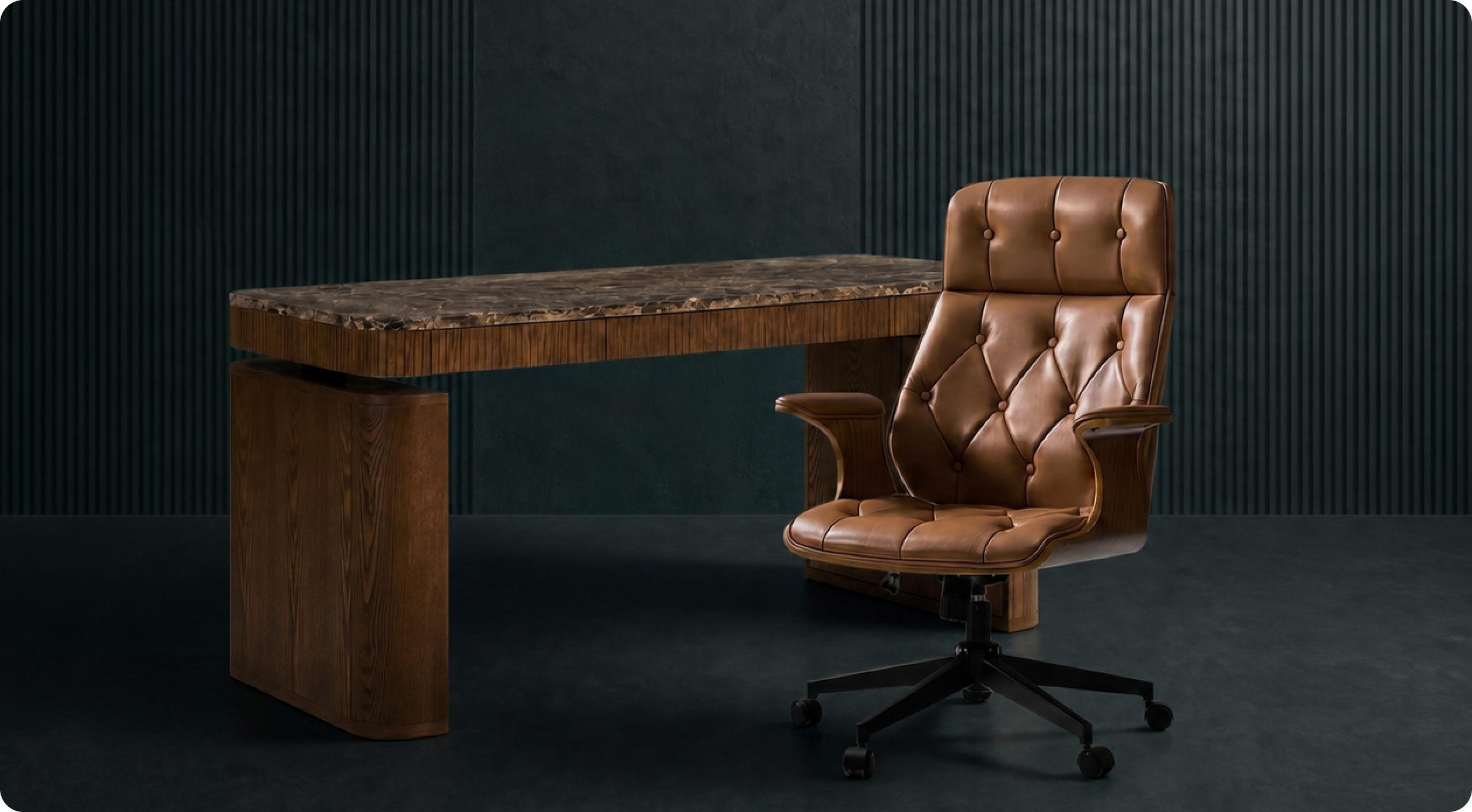
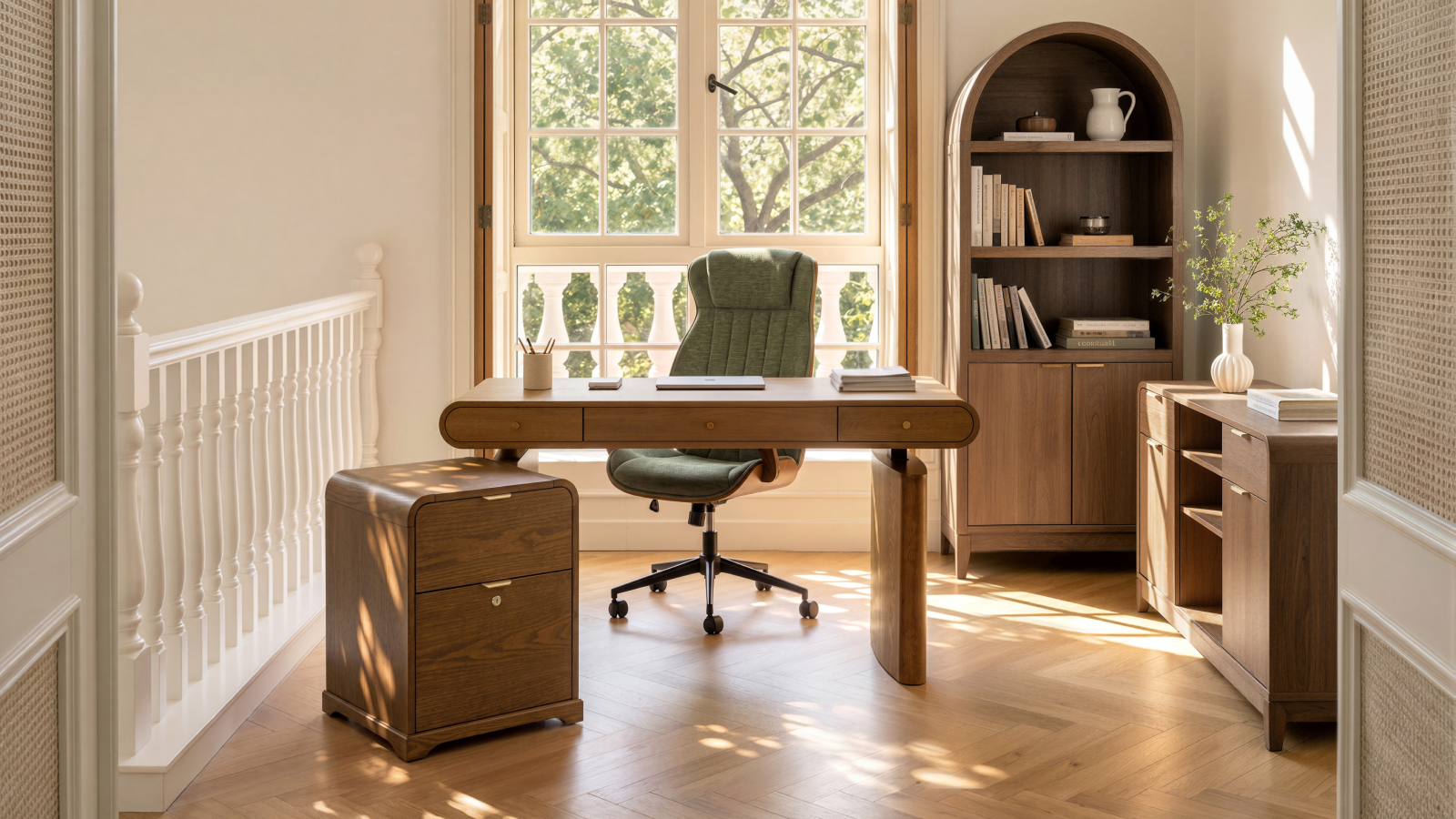
Today, many homeowners prefer pieces that resemble high-quality home furnishings while still offering modern ergonomic features.
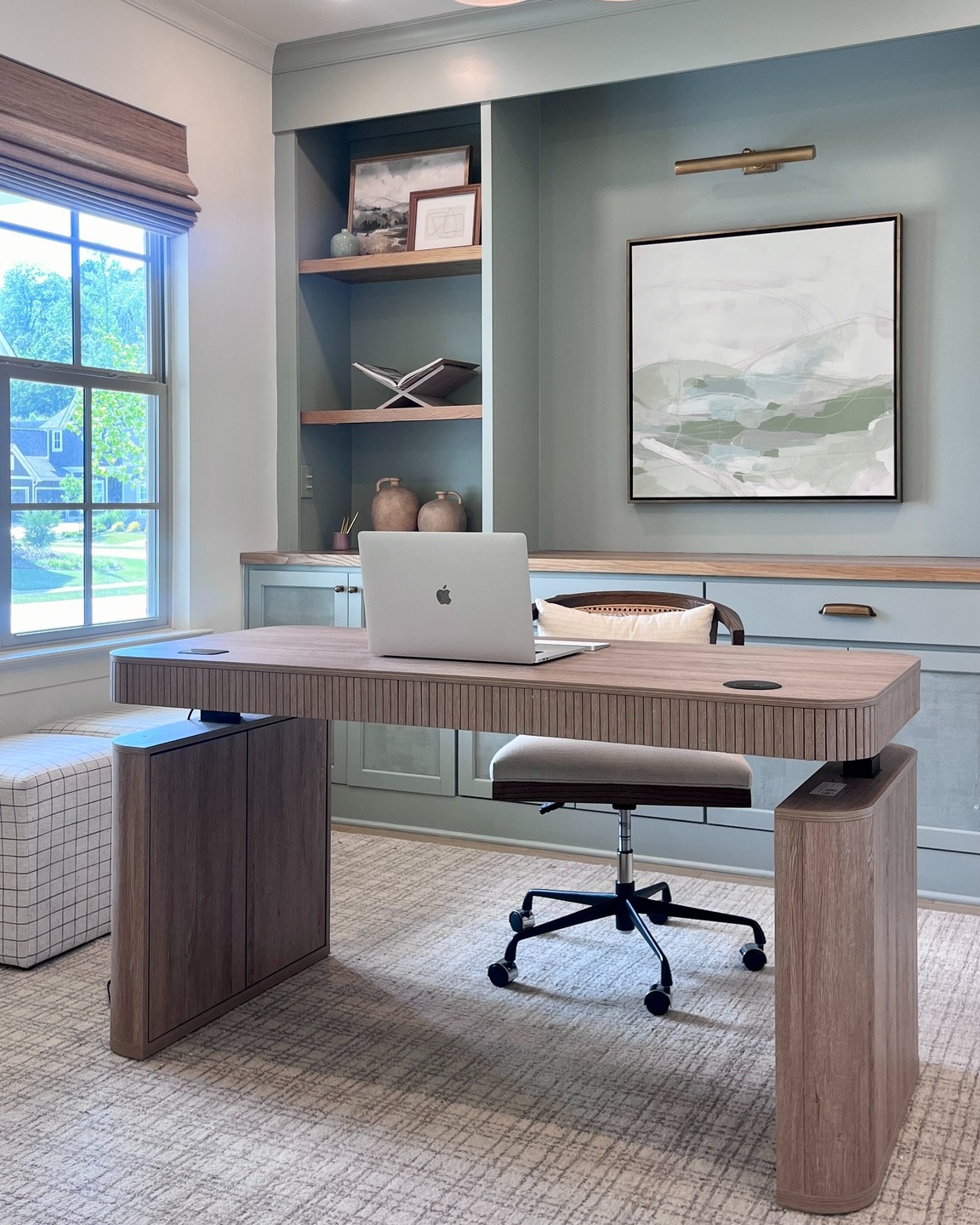
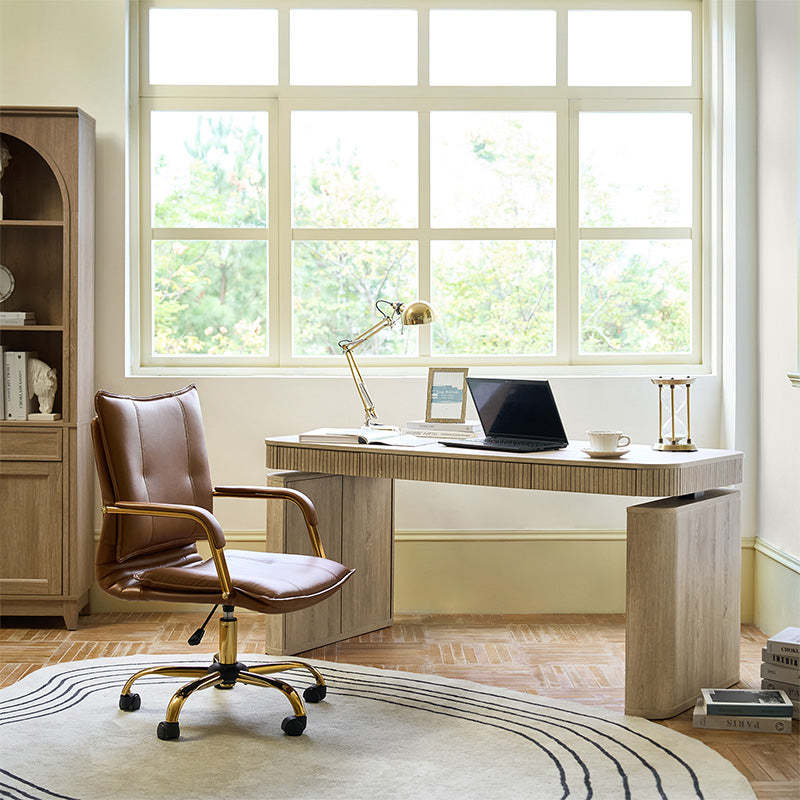
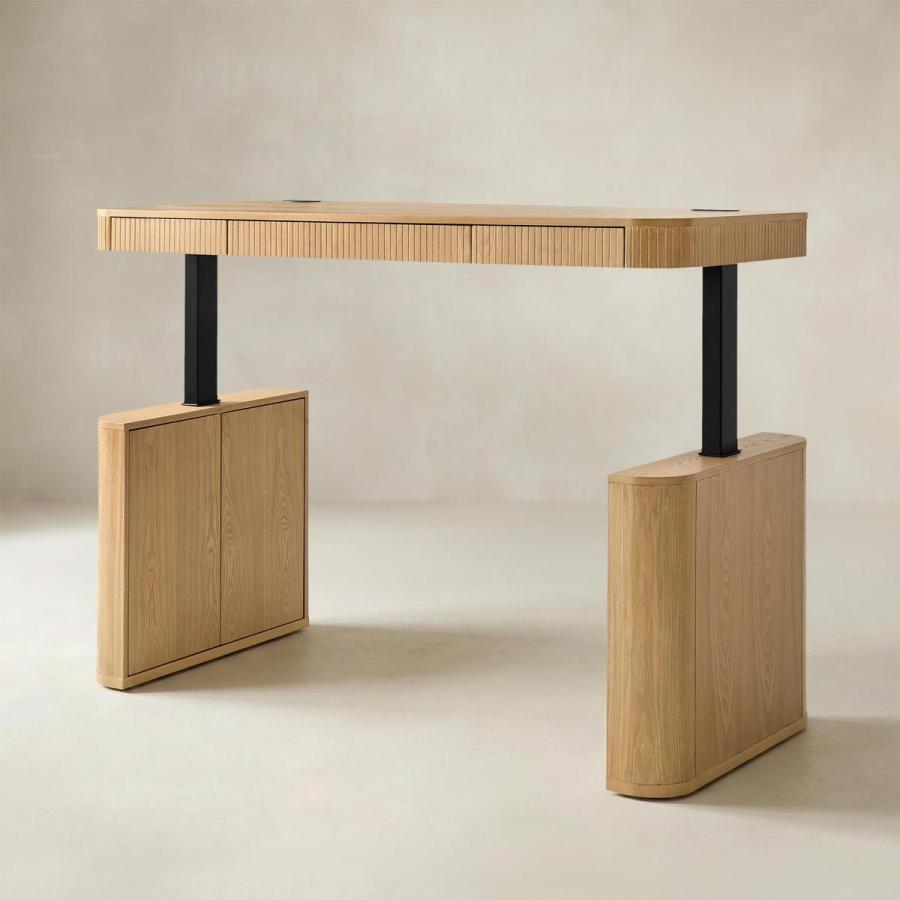
For example, a height-adjustable desk doesn't have to look overly technical. Furniture-inspired designs with genuine wood finishes, fluted detailing, and clean architectural lines can blend beautifully into living rooms, bedrooms, or multifunctional spaces while still providing the flexibility of a sit-stand workstation.
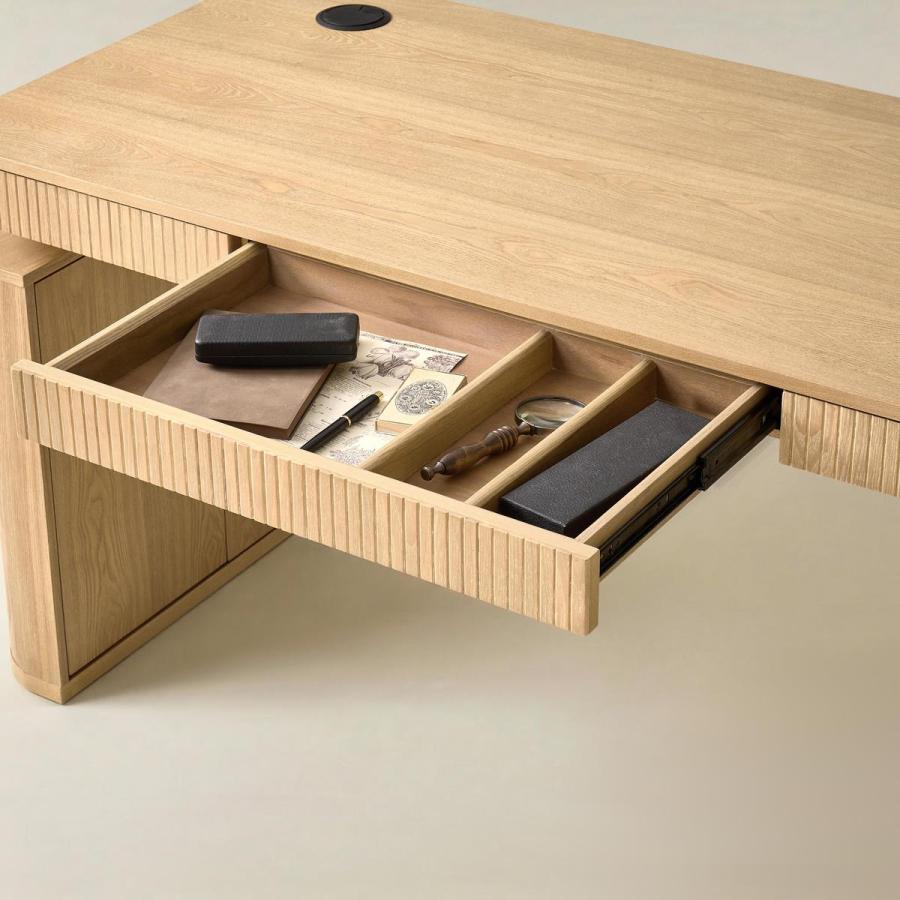
A good example is the Baggio Modern Fluted Electric Adjustable Standing Desk, whose wood veneer finish and architectural profile allow it to complement modern interiors instead of dominating them. Features like integrated drawers and hidden cable management also help maintain a clean, furniture-like appearance, making the workspace feel like a natural extension of the home rather than a separate office.
Keep Visual Clutter to a Minimum
Even the most beautiful workspace quickly loses its appeal when it's covered with cables, chargers, paperwork, and office accessories.
Look for furniture that supports organization without adding visual bulk.
Helpful features include:
- Built-in drawers
- Hidden cable routing
- Under-desk storage
- Dedicated spaces for frequently used accessories
Keeping everyday essentials out of sight creates a calmer environment and makes it easier to focus.
Build Around Comfort, Not Just Productivity
Comfort isn't a luxury—it's part of working efficiently.
Alternate Between Sitting and Standing
Research continues to show that movement throughout the day is healthier than remaining in one position for long periods.
Rather than standing all day, aim to alternate naturally between sitting and standing.
Modern adjustable desks make this transition almost effortless. Features such as programmable height presets allow users to switch positions with a single touch, while sedentary reminders encourage regular movement without interrupting concentration.
Small habits like changing posture every hour can make long workdays feel noticeably more comfortable.
Invest in a Chair You'll Actually Enjoy Sitting In
Even the best desk can't compensate for an uncomfortable chair.
Look for features such as:
- Adjustable seat height
- Proper lumbar support
- Comfortable seat depth
- Supportive armrests
- Breathable upholstery
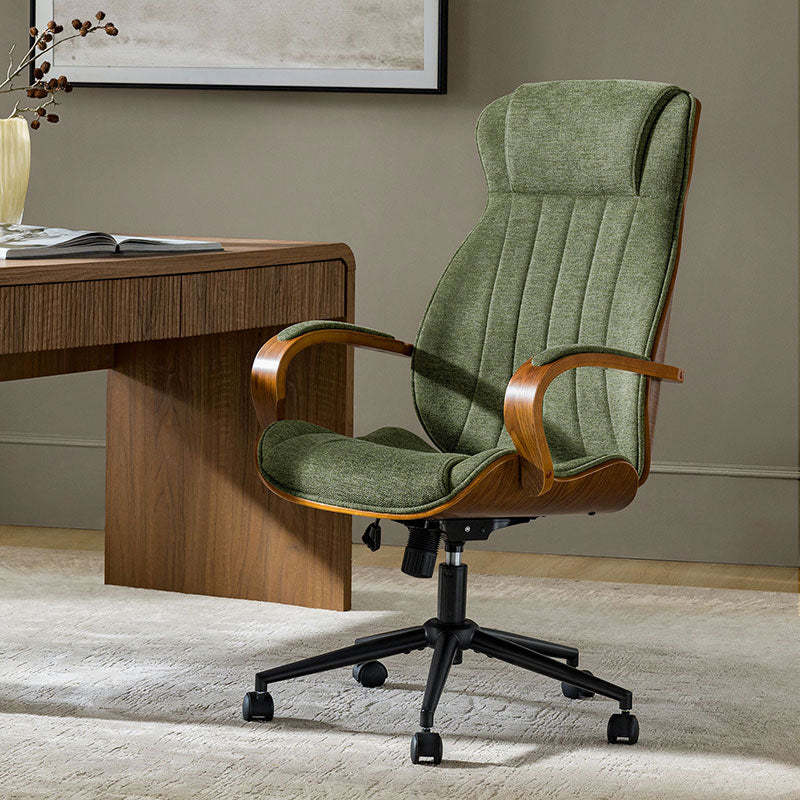
An ergonomic office chair should support natural posture while remaining comfortable during extended periods of work.
Storage Is What Makes a Home Office Feel Finished
Organization often separates an average workspace from a truly enjoyable one.
Without proper storage, notebooks, chargers, headphones, and paperwork quickly take over the desktop.
Instead of relying entirely on additional cabinets, consider furniture that incorporates storage directly into its design.
Integrated drawers beneath the desktop provide convenient access to daily essentials while reducing the need for bulky storage furniture. Combined with cable management, they help maintain a clean workspace that feels organized with minimal effort.
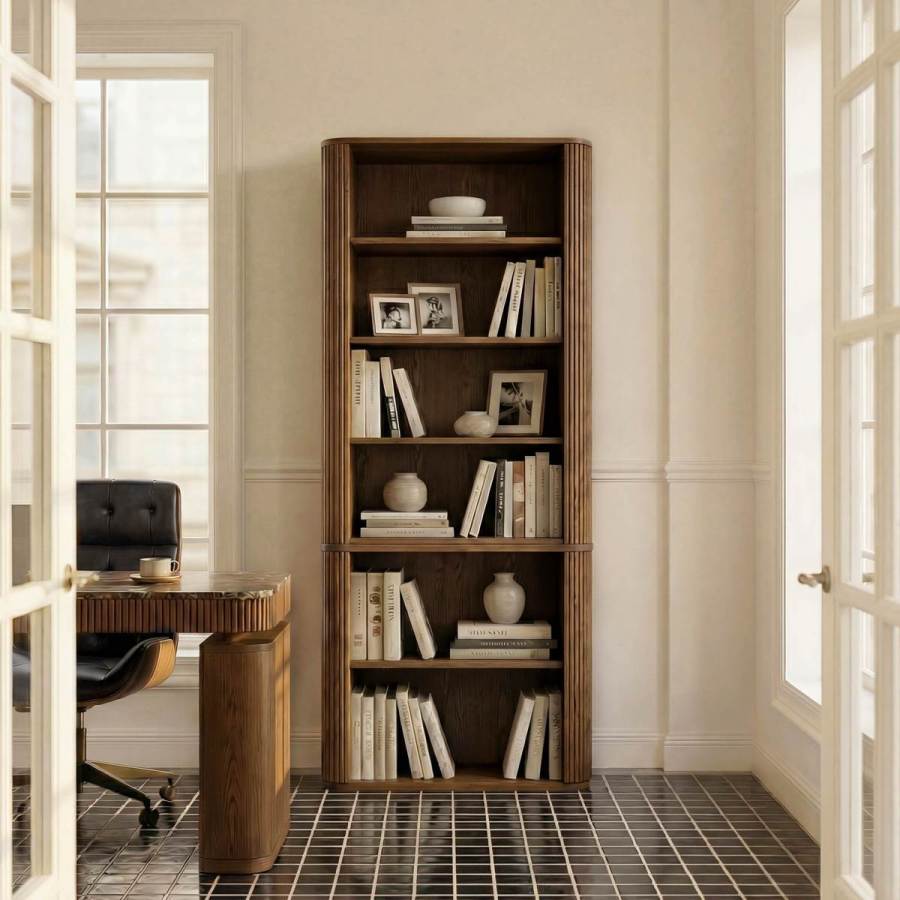
For larger home offices, bookcases and storage cabinets can further organize supplies while adding opportunities to display books, artwork, and decorative accessories that personalize the space.
Lighting, Layout, and the Finishing Touches
Furniture creates the foundation, but thoughtful finishing touches complete the room.
Whenever possible, position your desk near natural light to reduce eye strain and create a brighter working environment.
Layer lighting by combining:
- Natural daylight
- A task lamp for focused work
- Ambient lighting for evenings
Then personalize the room with elements that make it feel inviting:
- Indoor plants
- Artwork
- Area rugs
- Decorative objects
- Framed photography
- Soft textiles
These additions help create a workspace you'll genuinely enjoy spending time in.
A Home Office Should Feel Like Part of Your Home—Not a Corporate Cubicle
One of the biggest design trends today isn't simply buying better office furniture—it's choosing furniture that belongs in the home.
Traditional office setups often prioritize function at the expense of aesthetics, leaving rooms that feel disconnected from the rest of the house.
Modern home offices take a different approach.
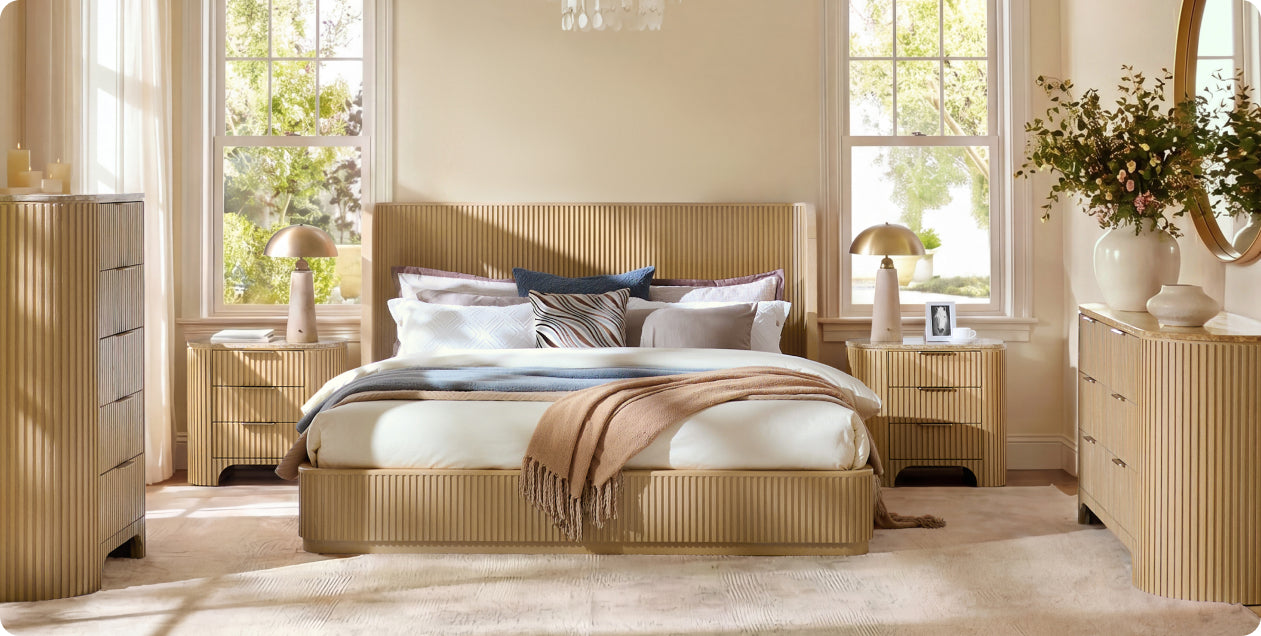
Instead of harsh industrial finishes, homeowners are increasingly choosing warm woods, textured surfaces, soft silhouettes, and furniture that complements their living spaces. This creates an environment that's equally suitable for focused work, relaxed reading, or everyday family life.
When office furniture is thoughtfully designed, there's no need to sacrifice style for productivity. Your workspace can support your professional goals while still reflecting your personal taste.
Common Mistakes People Make When Building a Home Office
Avoid these common pitfalls:
- Choosing a desk before understanding your workflow.
- Buying furniture that's too large or too small for the room.
- Ignoring cable management until the workspace becomes cluttered.
- Overlooking storage needs.
- Prioritizing appearance over ergonomic comfort.
- Remaining seated—or standing—for hours without changing position.
- Treating the workspace as a completely separate environment instead of integrating it into the home's overall design.
Thoughtful planning from the beginning makes the space easier to enjoy for years to come.
Frequently Asked Questions
How much space do I need for a home office?
Even a compact corner can become an effective workspace if the furniture is scaled appropriately and storage is well planned.
Is a standing desk worth it?
For many people, yes. Height-adjustable desks encourage movement throughout the day, making it easier to alternate between sitting and standing while adapting the workspace to different tasks.
Can I create a home office in my living room?
Absolutely. Many modern home offices are intentionally designed to blend into shared living spaces through coordinated furniture, materials, and color palettes.
What's the most important piece of home office furniture?
The desk is usually the foundation of the workspace, followed closely by a supportive chair. Together, they influence both productivity and long-term comfort.
How can I make my workspace feel less like an office?
Choose furniture with residential design elements, keep cables hidden, incorporate natural materials, and decorate with artwork, plants, and accessories that match the rest of your home.
Final Thoughts
A great home office isn't defined by expensive equipment or the largest room in the house. It's created through thoughtful planning, comfortable furniture, smart organization, and a design that feels connected to the rest of your home.
When every element—from layout and lighting to storage and ergonomics—works together, your workspace becomes more than a place to answer emails. It becomes an environment that supports focus, creativity, and everyday well-being while fitting naturally into the way you live.