.webp?w=2880&h=1620)
Modular sectionals have become one of the fastest-growing furniture categories, and for good reason. Unlike traditional sofas, they're built from individual sections (or modules) that can be rearranged into different layouts as your home and lifestyle change.
But are modular sectionals actually worth the investment?
The short answer is yes—for many households. If you value flexibility, adaptability, and long-term usability, a well-designed modular sectional can provide better value than a traditional fixed sofa. However, not every modular sofa is created equal, and understanding the differences can help you make a smarter purchase.
In this guide, we'll answer the most common questions shoppers ask before buying a modular sectional.
What Is a Modular Sectional?
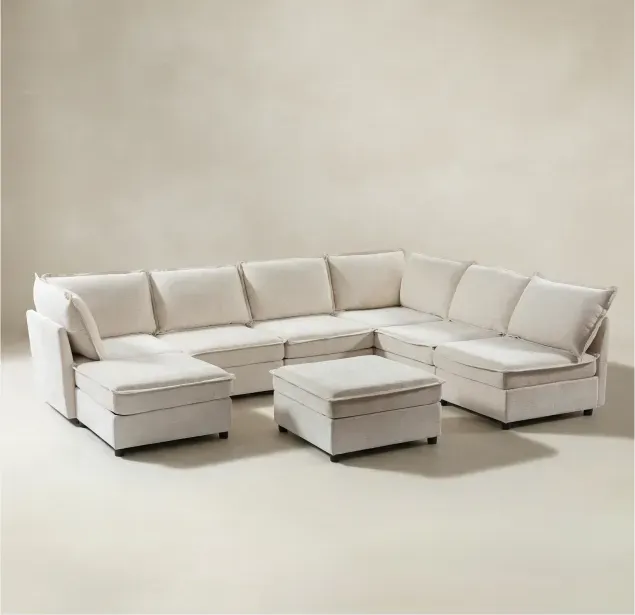
A modular sectional is a sofa made from separate seating modules that connect together to create different configurations.
Depending on the design, you can often rearrange the pieces into:
- L-shaped sectionals
- U-shaped sectionals
- Chaise layouts
- Extra-long sofas
- Conversation seating
- Separate individual chairs
Some systems even allow you to purchase additional modules later, making it possible to expand your sofa as your family or living space changes.
Rather than replacing an entire sofa when you move or renovate, you can often reconfigure what you already own.
Are Modular Sectionals Worth It?
For many homeowners, yes.
A modular sectional offers advantages that traditional sofas simply can't match.
They're Flexible
One of the biggest reasons people choose modular sectionals is flexibility.
Whether you're:
- moving to a new home
- welcoming a new family member
- downsizing
- redesigning your living room
the sofa can often adapt instead of being replaced.
This flexibility makes modular sectionals especially appealing for people who expect their homes to evolve over time.
They Make Better Use of Space
Because modules can be rearranged, they're easier to fit into rooms with:
- awkward layouts
- open-concept floor plans
- apartments
- large family rooms
Instead of forcing your room to fit your furniture, your furniture adapts to your room.
Easier to Move
Large one-piece sectionals can be difficult—or impossible—to get through staircases, elevators, and narrow hallways.
Modular pieces move individually, making relocation much less stressful.
Potential Long-Term Value
Although the upfront investment may sometimes be higher, many modular systems let you:
- replace one damaged section
- add extra seats later
- change the layout instead of buying new furniture
That flexibility can extend the useful life of your furniture.
-jpeg.jpg?w=1200&h=1200)
Do Modular Sectionals Stay Together?
This is one of the biggest concerns buyers have.
The answer depends on how the sofa is engineered.
High-quality modular sectionals typically use one or more connection systems:
- metal interlocking clips
- heavy-duty brackets
- alligator connectors
- hidden locking hardware
- anti-slip feet combined with substantial weight
When properly connected, quality modular sectionals stay together surprisingly well during everyday use.
However, not every modular sofa performs equally.
You may notice movement if:
- the modules simply sit side-by-side without connectors
- the sofa is extremely lightweight
- cushions are oversized but bases are small
- the floor is unusually slippery
Tips for Keeping Modules Stable
- Always connect every module using the provided hardware.
- Place the sofa on a rug if possible.
- Periodically check that connectors remain fully engaged.
- Avoid dragging connected modules across the floor.
A well-built modular sectional should feel like one continuous sofa during normal seating.
What Is the Lifespan of a Modular Sectional?
A modular sectional's lifespan depends more on construction quality than on whether it's modular.
Here's a general guideline.
|
Quality Level |
Expected Lifespan |
|
Budget |
3–6 years |
|
Mid-range |
7–12 years |
|
Premium |
12–20+ years |
The components that influence longevity include:
Frame Material
Kiln-dried hardwood generally lasts much longer than particleboard or softwood.
Suspension System
Sinuous springs, webbing quality, and seat support determine how well the sofa maintains comfort over time.
Cushion Construction
High-density foam, pocket coils, and performance cushioning retain their shape much longer than low-density foam.
Upholstery
Performance fabrics, tightly woven textiles, and quality leather typically resist wear better than inexpensive fabrics.
Daily Usage
A family sofa used every day naturally experiences more wear than occasional seating in a formal living room.
The advantage of many modular systems is that worn modules may sometimes be replaced individually rather than replacing the entire sofa.
-OyuOgpTAwp.webp?w=880&h=996)
Pros and Cons of Modular Sofas
Every furniture style has trade-offs.
Here's a balanced comparison.
Pros
Highly Flexible
You can rearrange the layout whenever your needs change.
Easier to Move
Individual sections fit through doors and stairways more easily than one-piece sofas.
Expandable
Many modular collections allow you to purchase additional modules later.
Family Friendly
Extra seating can be added as families grow.
Better for Open Spaces
Modular layouts work particularly well in open-concept homes.
Easier Repairs
Depending on the manufacturer, replacing a single module may be simpler than replacing the entire sofa.
Cons
Can Cost More Upfront
Well-designed modular systems often require more engineering and hardware.
Quality Varies Greatly
Not all modular sofas use durable connectors or strong frames.
Layout Planning
Having many configuration options also means spending more time deciding what works best.
May Shift if Poorly Designed
Budget models without secure connectors can separate during use.
Future Modules May Change
Some manufacturers discontinue collections, making future expansion difficult.
Why Are Some Modular Couches $2,000 While Others Cost $700?
This is one of the most common shopping questions.
From a distance, two modular sofas may look nearly identical.
Underneath, they can be dramatically different.
Frame Construction
Higher-priced sofas often use:
- kiln-dried hardwood
- reinforced corner blocks
- stronger joinery
Budget sofas frequently rely on plywood or engineered wood.
Cushion Quality
Premium cushions generally include:
- higher-density foam
- layered construction
- pocket coils
- down or fiber wraps
Lower-cost cushions may flatten much sooner.
Upholstery Fabric
Performance fabrics often cost significantly more than standard polyester because they resist:
- stains
- fading
- pilling
- abrasion
Connector System
Quality hardware that keeps modules securely together adds manufacturing cost.
Less expensive models may use simple friction placement or minimal connectors.
Manufacturing Standards
Price differences also reflect:
- quality control
- durability testing
- upholstery craftsmanship
- warranty coverage
- customer support
A modular sectional priced around $2,000 is often built with a kiln-dried solid hardwood frame, high-density foam cushions, durable suspension systems, and performance upholstery designed to withstand heavy daily use. With regular care, it's not unusual for a sofa like this to stay supportive and structurally sound for 10 to 15 years or more.
Imagine a family with two children and a dog. Every evening, the sofa becomes the center of the home—movie nights, homework sessions, afternoon naps, and weekend gatherings. The kids jump from cushion to cushion, the dog curls up in the same corner every day, and someone inevitably spills coffee or snacks. Years later, the seat cushions still rebound after use, the frame remains solid and quiet, and the fabric continues to look presentable with routine cleaning. It feels like a sofa that has aged with the family rather than worn out because of them.
By comparison, a modular sofa priced around $700 is more likely to use particleboard framing, lower-density foam cushions, and standard polyester upholstery. None of these materials are inherently bad—they simply aren't designed for the same level of long-term wear.
How to Choose the Right Modular Sectional
Rather than focusing only on style, evaluate the sofa as a long-term investment.
1. Measure Your Space Carefully
Consider:
- room dimensions
- walking paths
- doorways
- future layout changes
Leave enough clearance for comfortable movement.
2. Check the Connection System
Look for secure hardware that prevents modules from separating during daily use.
3. Ask About Future Expansion
Can you purchase matching modules later?
This can significantly increase the furniture's long-term value.
4. Evaluate Cushion Support
Comfort should remain consistent after years of everyday sitting—not just during a showroom test.
5. Consider Your Lifestyle
Different households prioritize different features.
For example:
- families with children may prefer durable performance fabrics
- pet owners may want easy-clean upholstery
- people who move frequently often appreciate lightweight modular pieces
- those furnishing a forever home may prioritize long-lasting frame construction
Choosing a modular sectional that aligns with how you actually live often matters more than selecting the trendiest design.

Who Benefits Most From a Modular Sectional?
Modular sectionals are particularly well suited for:
- growing families
- first-time homeowners
- apartment dwellers
- people who relocate frequently
- homeowners who entertain often
- anyone who enjoys changing room layouts
If your living space or lifestyle is likely to evolve over the coming years, a modular sofa can offer flexibility that traditional fixed sofas cannot.
If your living space or lifestyle is likely to evolve over the coming years, a modular sofa can offer flexibility that traditional fixed sofas cannot.
Modern life leaves little room for constantly replacing furniture. Between busy work schedules, family responsibilities, and countless everyday decisions, most people aren't looking to redesign their living room every few years. They want furniture that can keep up with life's changes without requiring another major purchase.
That's where a modular sectional stands apart. Instead of buying a sofa for the room you have today, you're investing in one that can adapt to the home you'll have years from now. Rearranging modules, adding new pieces, or changing the layout is often far easier than replacing an entire sofa. For many households, it's less about having more configuration options—and more about making one smart decision that continues to work through different stages of life.
In that sense, a modular sectional isn't simply flexible furniture. It's a practical, long-term solution for homes that are constantly evolving, even when the address stays the same.
Frequently Asked Questions
Do modular sectionals separate easily?
Not if they're built with secure connectors. Well-designed modular sectionals are engineered to stay together during normal everyday use while still allowing you to rearrange them when needed.
Can I add more seats later?
Many modular collections allow you to purchase additional modules, although availability depends on the manufacturer and whether the collection remains in production.
Are modular sectionals comfortable?
Comfort depends on cushion construction, seat depth, suspension, and overall design—not simply whether the sofa is modular.
Are modular sofas good for small apartments?
Yes. Individual modules are easier to move through narrow hallways and can often be rearranged to maximize smaller living spaces.
Final Thoughts
So, are modular sectionals worth it?
For many households, the answer is yes.
Their greatest advantage isn't simply that they can be rearranged—it's that they can adapt alongside the way people live. Whether you're moving, expanding your family, hosting guests more often, or simply refreshing your living room layout, a thoughtfully designed modular sectional offers flexibility that traditional sofas rarely provide.
The key is to look beyond appearance. Pay attention to frame construction, connection hardware, cushion quality, upholstery durability, and whether the system allows future expansion. These factors often explain why two sofas that look similar can perform very differently over time.
Brands embracing adaptable furniture design, such as Hulala Home, reflect this shift toward furniture that evolves with changing lifestyles rather than serving a single, fixed purpose. When chosen carefully, a modular sectional can become a versatile centerpiece that continues to meet your needs for years to come.