As the calendar turns and the post-holiday quiet sets in, many of us feel a familiar need to reset. Not just intentions and goals, but the spaces where we spend most of our time.
January is a month of transitions:
colder weather, shorter days, and a shift from festive social energy to routine rhythms.
In this period, our physical environment has an outsized influence on how we feel: our mood, energy, and overall sense of well-being.
One of the biggest yet most overlooked influences?
The furniture we interact with every day.
Often dismissed as decoration, furniture quietly shapes how we sit, move, work, rest, and think. As 2026 trends show, we are entering an era where furniture is chosen not just for aesthetics, but for its role in supporting healthier habits and more intentional lifestyles.
In January, when routines are recalibrated and thermal comfort becomes a priority, the right furniture can profoundly affect how your day unfolds.
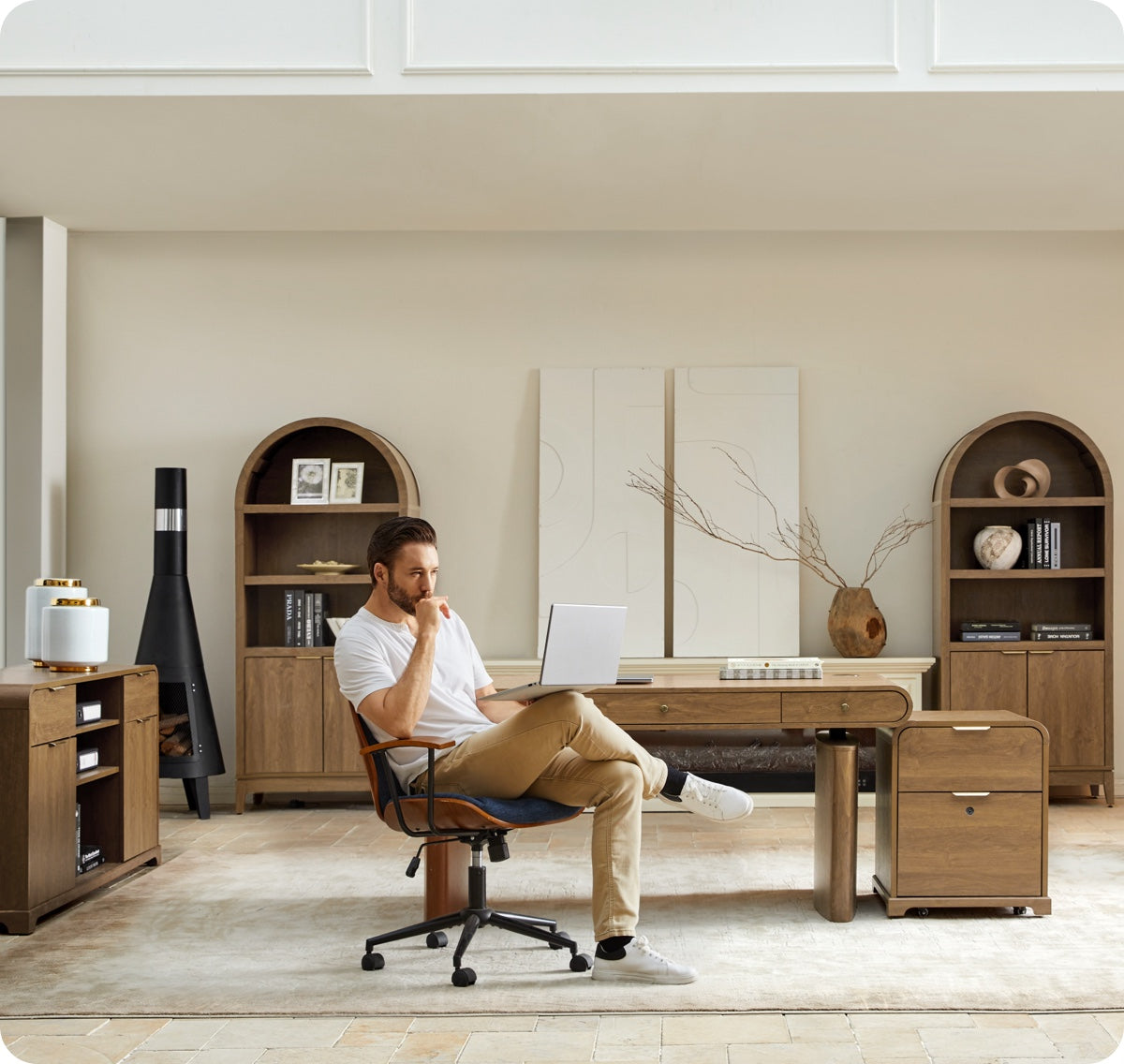
Feeling Off at Home This Winter? Why the Right Furniture Matters?
Winter changes more than the weather.
It subtly reshapes how we move, how long we stay indoors, and how our bodies and minds respond to the spaces around us.
Shorter days and reduced daylight often bring:
●Lower energy levels
●Shortened attention spans
●Physical stiffness from extended sitting
●Disrupted sleep and work rhythms
This is where furniture becomes more than decor, it becomes a living partner in well-being.
Rather than remaining passive objects, desks, chairs, and tables actively influence posture, movement, and psychological comfort. When chosen with intention, they help counter winter lethargy and support clearer focus, especially as we ease back into routine after the holidays.
How to Choose Furniture That Truly Supports Well-being
Choosing the right furniture is less about trends and more about alignment between your body, your habits, and your daily rhythm.
Especially in winter, when movement naturally decreases, furniture should quietly compensate rather than contribute to strain. Here are the key principles to consider when resetting your space this January.
1/Choose Furniture That Encourages Natural Movement
Winter encourages stillness, and your body feels it. The right furniture, however, can subtly invite motion without demanding it.
When considering a desk or workspace, notice whether it allows:
●Easy changes in posture throughout the day
●Positions that don’t lock you into rigidity
●Small shifts—standing, leaning, stretching
Even minor adjustments help:
●Stimulate circulation
●Reduce stiffness and tension
●Maintain steadier energy levels
Well-being Impact:
Your body remains alert, and mental fatigue accumulates more slowly—even during long winter days spent indoors.
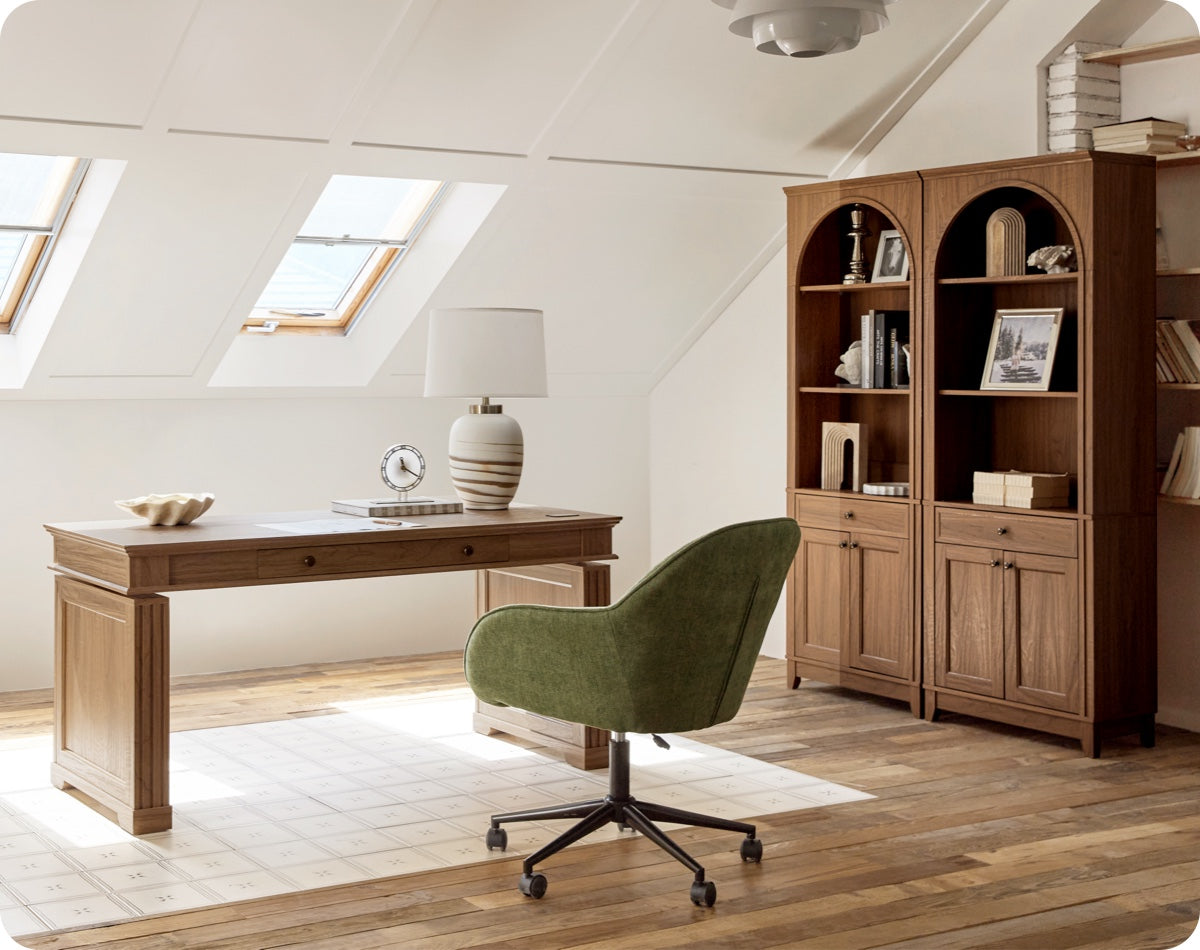
2/Support Posture Without Forcing It
Good posture is not about sitting perfectly straight, it’s about supporting the body so it can relax while staying aligned.
Furniture should:
●Follow the natural curve of the spine
●Allow shoulders and neck to remain relaxed
●Avoid surfaces that are too low, too high, or overly deep
A desk at the wrong height, even by a small margin, can gradually strain your body, leading to discomfort and distraction.
Well-being Impact:
When your body is supported, concentration comes more naturally, making focus sustainable rather than forced.

3/Design for Energy Rhythms, Not Productivity Myths
Energy fluctuates, especially during winter. Most people experience:
●Higher alertness in the morning
●A dip in the early afternoon
●A secondary, lighter focus period later in the day
Furniture that supports wellbeing works with these natural rhythms, not against them. This means:
●Allowing different postures at different times
●Providing surfaces suitable for both deep focus and lighter tasks
●Avoiding environments that demand constant intensity
Well-being Impact:
You move and work in harmony with your energy, instead of pushing against your body’s natural cycles.
4/Pay Attention to Psychological Comfort
Furniture shapes mood as much as it shapes posture. The feel of materials, visual weight, and proportions all influence how a space affects your mind.
Ask yourself:
●Does this piece create calm or visual tension?
●Does it feel grounded or overly clinical?
●Does the surface invite focus or contribute to clutter?
Warm, balanced, and thoughtfully designed pieces subtly reduce stress and support emotional ease.
Well-being Impact:
A serene environment allows attention to flow, thoughts to settle, and transitions between tasks to feel effortless.
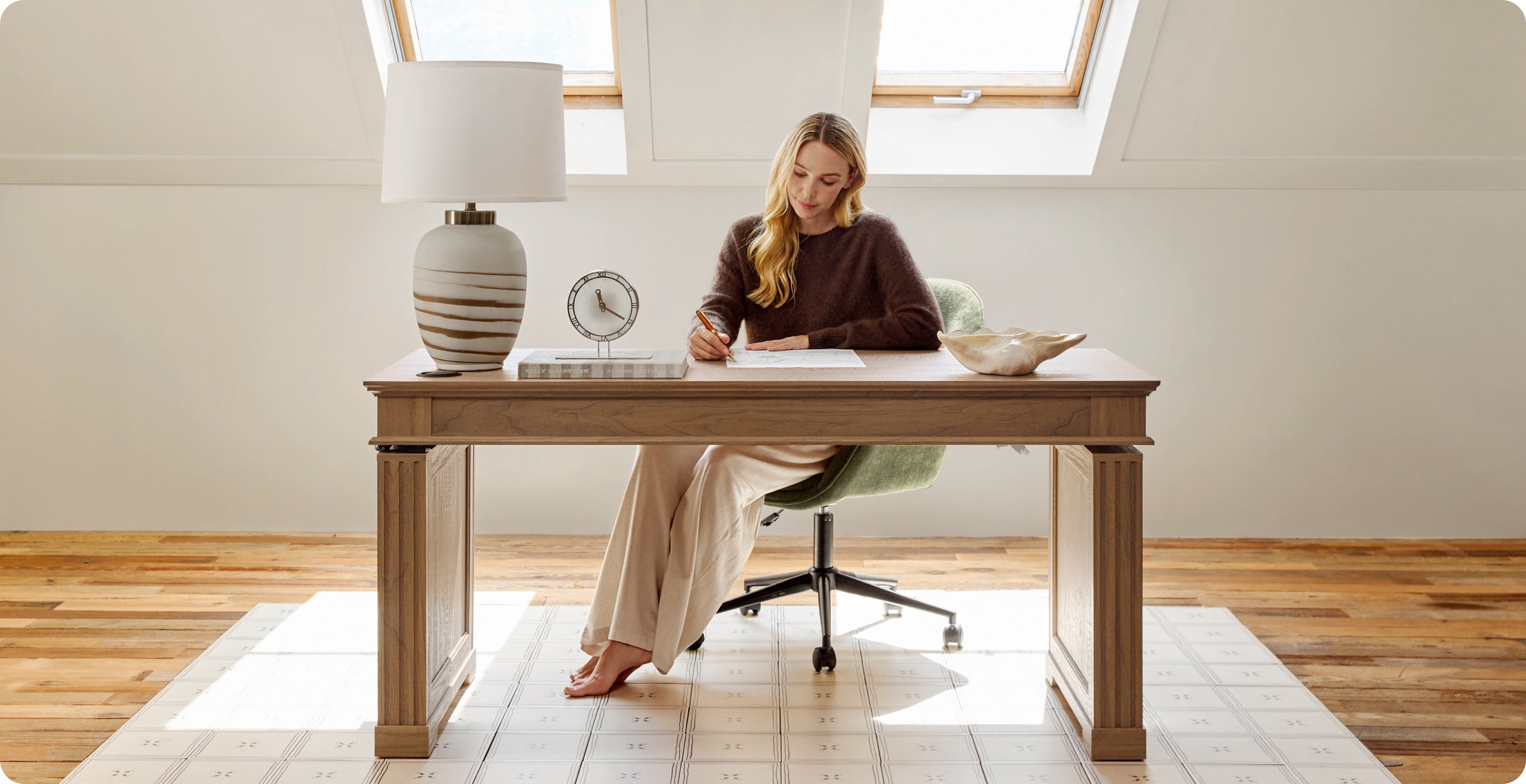
Bringing the Principles to Life: Furniture That Adapts and Responds
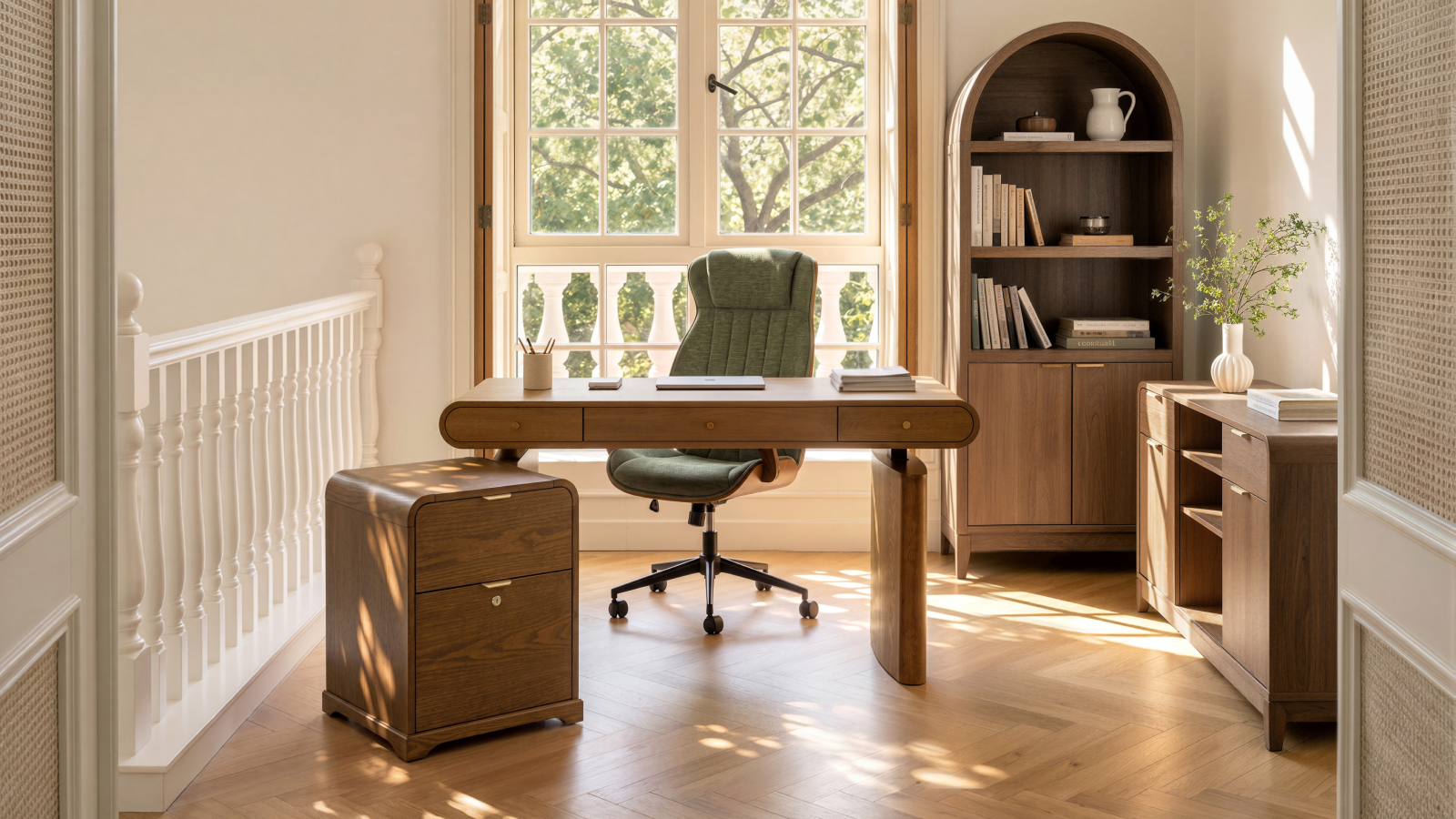
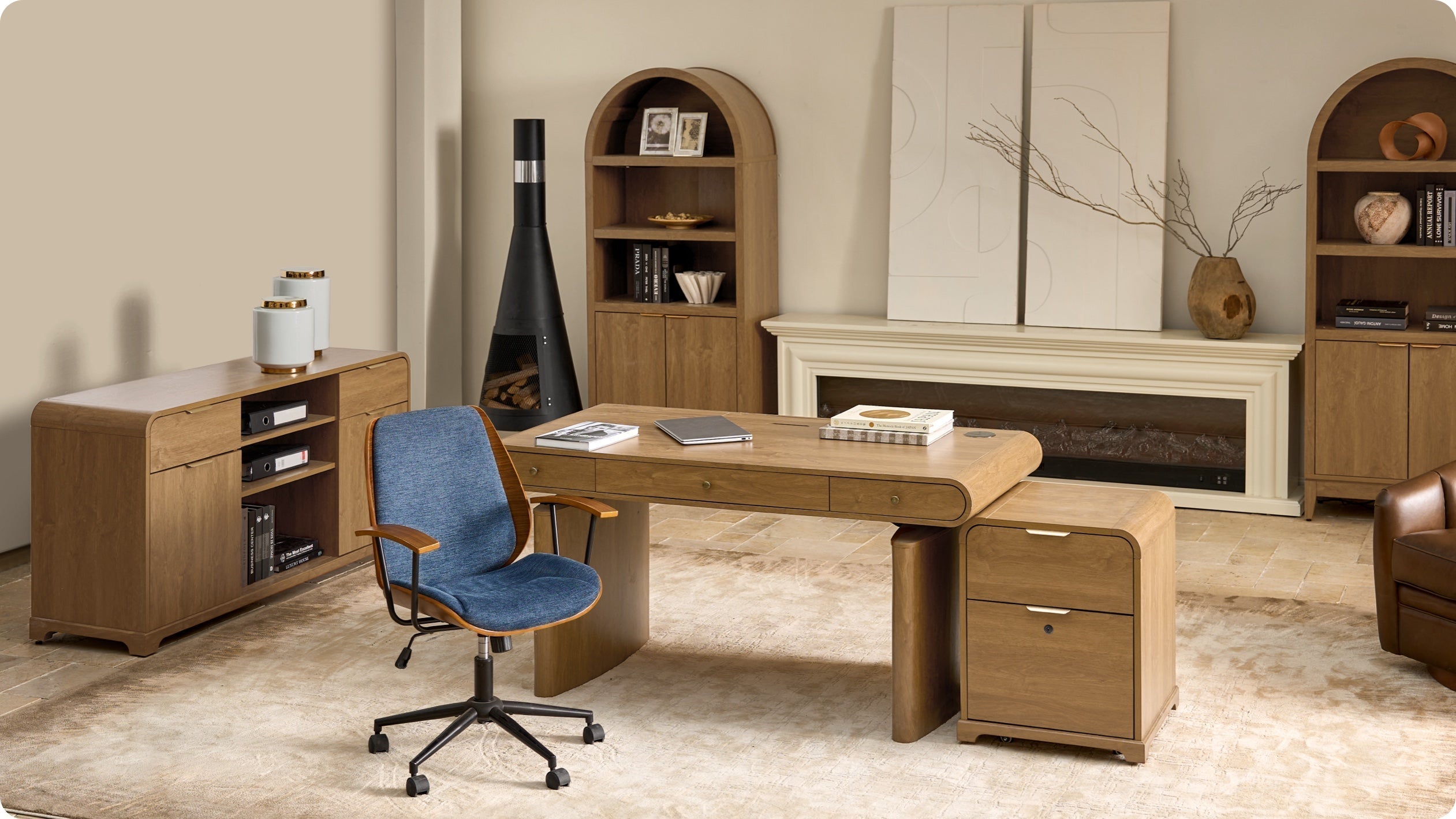
In winter, when movement slows and daily routines become more repetitive, furniture that can adapt makes a meaningful difference. This is where adjustable desks naturally align with a more responsive way of living. Rather than asking the body to conform to a fixed setup, an electric adjustable desk responds quietly and intuitively to changing needs throughout the day.
Whether it’s the streamlined Electric Adjustable Office Desk, designed for fluid transitions across work scenarios, or the Julia Farmhouse Electric Adjustable Standing Desk, which pairs adaptability with a warmer, more grounded presence, both reflect the same idea: furniture as a responsive living partner. One that supports multiple moments—focused work, lighter tasks, reflection—without friction or excess.
What Changes When You Choose the Right Furniture?
The effects of thoughtful furniture choices often appear gradually, but they are deeply felt. When furniture is designed to adapt to real life and to care for how the body moves and rests, it becomes part of everyday life rather than a one-time impression.
Over time, you'll begin to notice:
●Energy that feels more consistent throughout the day
●Less stiffness, fewer aches, and improved physical comfort
●Greater focus, without the pressure of forced productivity
●A stronger sense of ease, control, and responsiveness within their space
These changes do not come from bold design statements. They emerge from harmony between the home, the body, and the rhythm of daily life, supported by furniture made to care, adapt, and endure.

A January Reset, Grounded in Lasting Value
January brings clarity. As routines quiet and days slow, the way our space supports us becomes more visible. Furniture reveals whether it creates friction or quietly offers care.
Choosing the right pieces is not about change for its own sake, but about alignment. When furniture adapts to your body, energy, and daily rhythm, well-being becomes part of everyday life rather than an ongoing effort.
That is the true value of a January reset. A home that responds, supports, and endures, long after winter has passed.