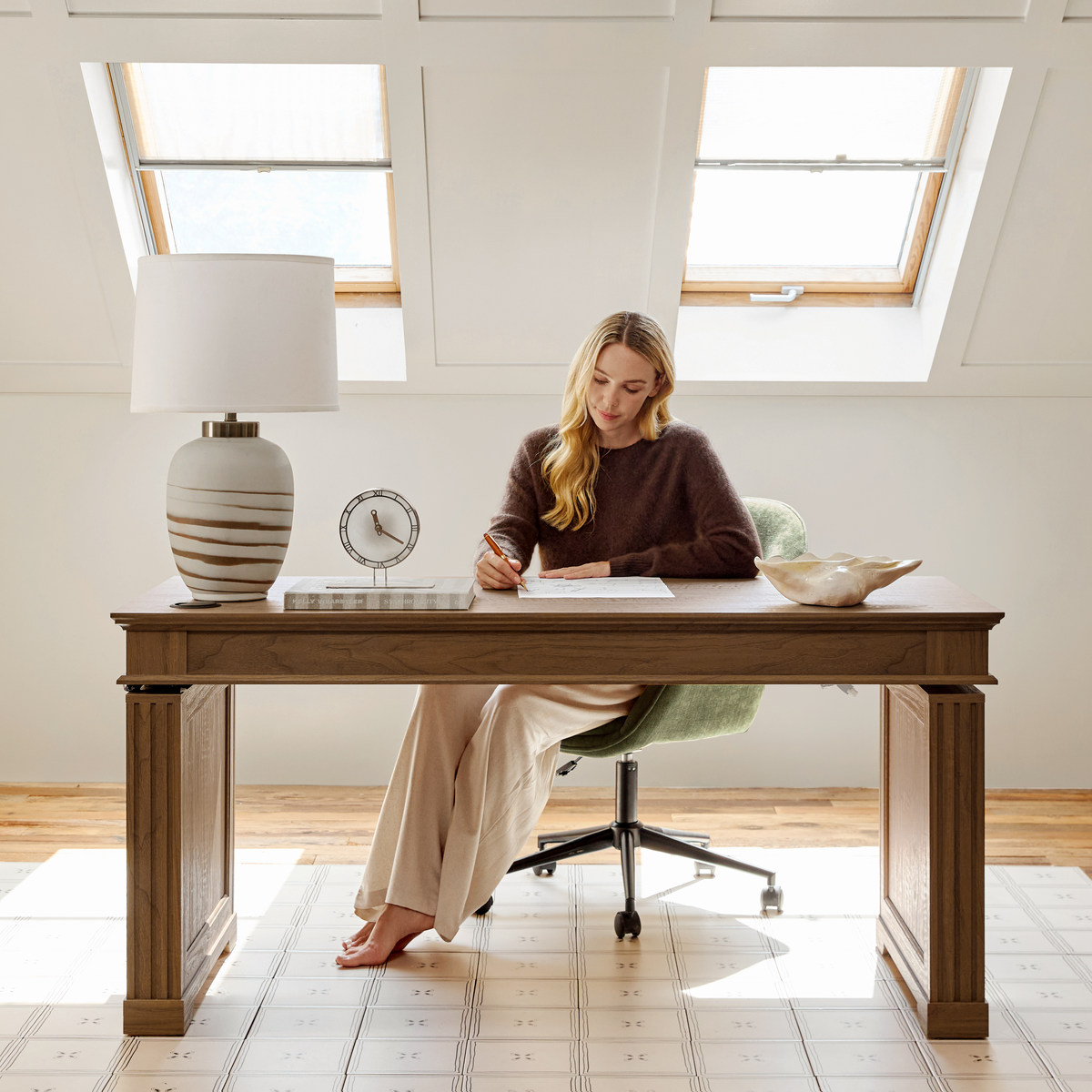
The way people work at home has changed significantly in recent years. A home office is no longer just a temporary workspace with a desk and chair — it has become an important part of modern living environments. As remote and hybrid work continue to shape daily routines, homeowners are looking for office furniture that supports productivity while also complementing their overall interior design.
Today’s modern and contemporary home office furniture trends focus on creating spaces that feel comfortable, personalized, and connected to the rest of the home. Instead of designing a workspace that feels like a traditional corporate office, many homeowners are embracing furniture solutions that balance functionality, aesthetics, and lifestyle needs.
From multifunctional desks to warm contemporary designs, these trends are redefining what a modern home office can be.
1. Multifunctional Home Office Furniture for Flexible Living Spaces
One of the biggest trends in modern home office design is flexibility. As homes increasingly serve multiple purposes, homeowners are looking for furniture that can adapt to different activities throughout the day.
A home office may function as a workspace during business hours, a study area in the evening, or even a creative space for personal projects. This shift has increased demand for furniture that provides more than a single function.
Popular Multifunctional Home Office Furniture Solutions
Modern homeowners are increasingly choosing:
- Desks with built-in storage drawers
- Modular shelving systems
- Compact workstations for small spaces
- Convertible desks that support different working styles
- Furniture pieces that combine workspace and organization
-jpeg.jpg?w=1200&h=1200)
These designs help maximize available space while maintaining a clean and organized environment.
For apartments, smaller homes, or shared spaces, multifunctional furniture allows homeowners to create productive work areas without sacrificing valuable living space.
2. Ergonomic Furniture Becomes Essential for Modern Workspaces
With more people spending extended hours working from home, comfort and wellness have become major considerations when choosing office furniture.
Modern home office furniture is no longer only about appearance. Consumers are increasingly prioritizing designs that support better posture, reduce discomfort, and improve long-term working experiences.
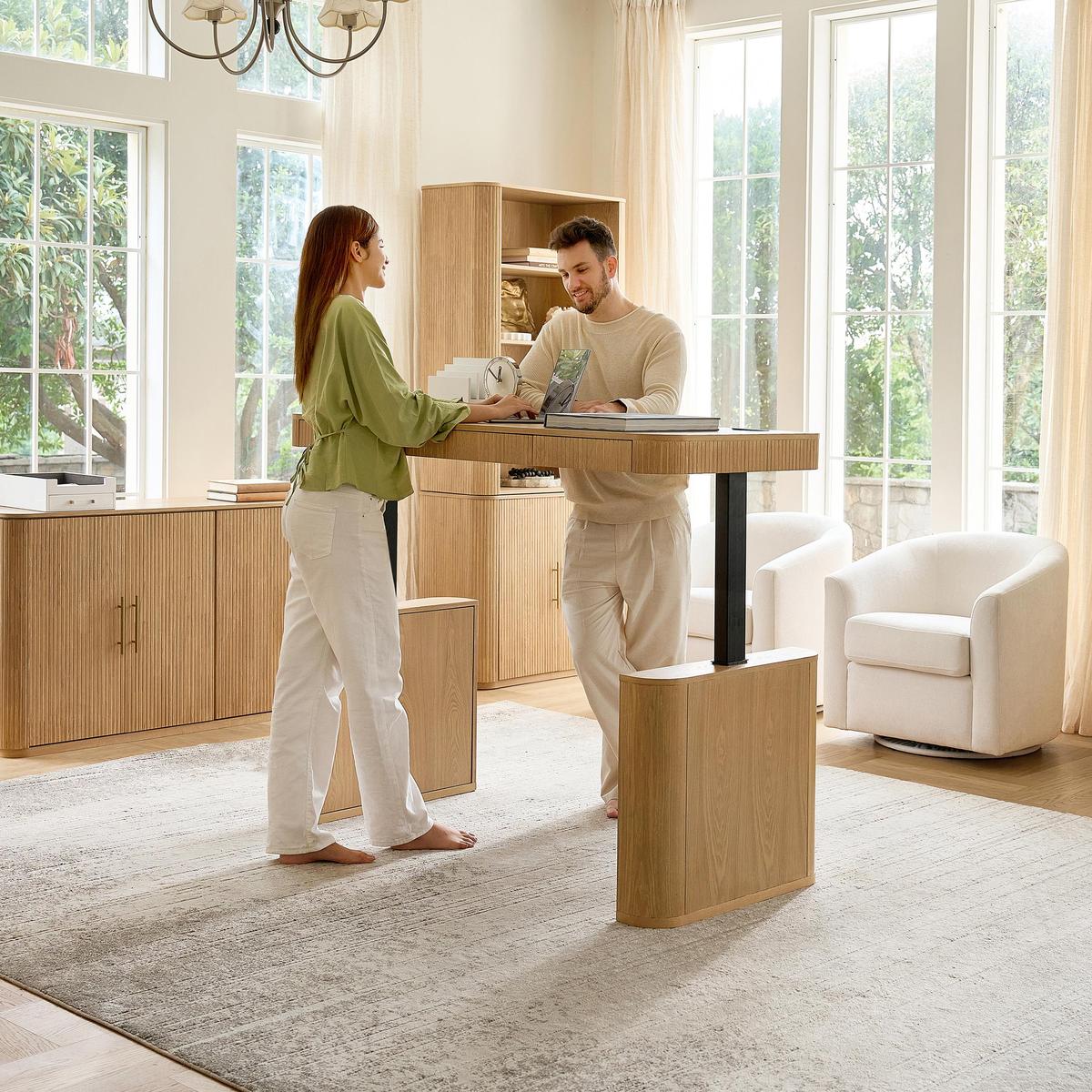
Height-Adjustable Desks for Flexible Working
Standing desks have become increasingly popular because they allow users to alternate between sitting and standing throughout the day.
Key benefits include:
- More flexibility during work hours
- Support for healthier working habits
- Better adaptability for different users
Height-adjustable desks are particularly suitable for people who spend long periods at their computers and want a more dynamic workspace.
Ergonomic Seating for Long-Term Comfort
A comfortable office chair remains one of the most important investments for a home office.
Modern ergonomic chairs often include:
- Adjustable lumbar support
- Flexible backrests
- Adjustable armrests
- Breathable materials
The focus has shifted from simply having a stylish chair to creating a workspace that supports productivity and physical comfort.
3. Warm Contemporary Design: Bringing Home Comfort Into Office Spaces
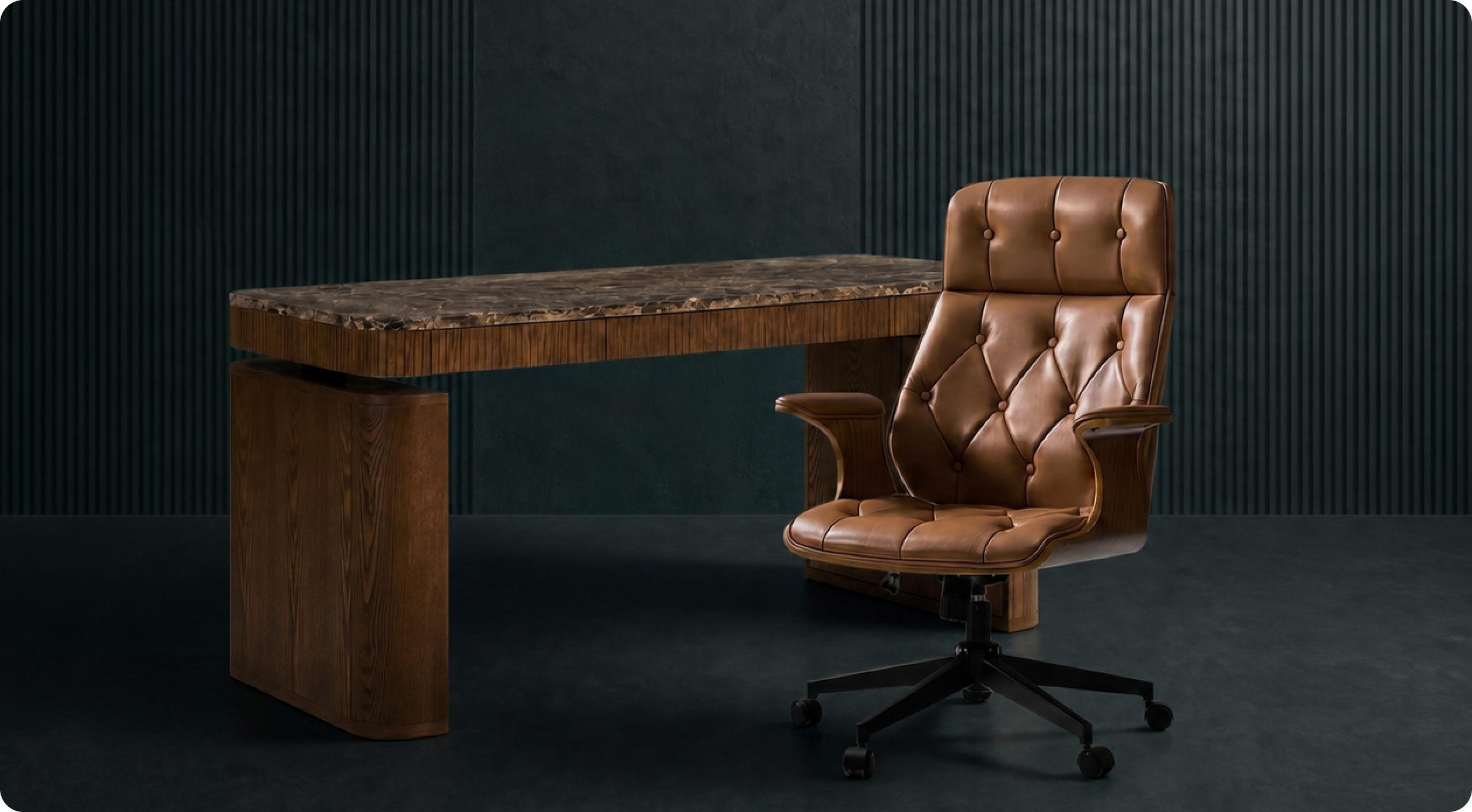
One of the most noticeable changes in home office furniture trends is the move away from cold, corporate-style environments toward warmer, residential-inspired designs.
Traditional office spaces often prioritize efficiency and professionalism, but modern homeowners want workspaces that feel connected to their personal style and the rest of their home.
Home Offices Are Becoming an Extension of Interior Design
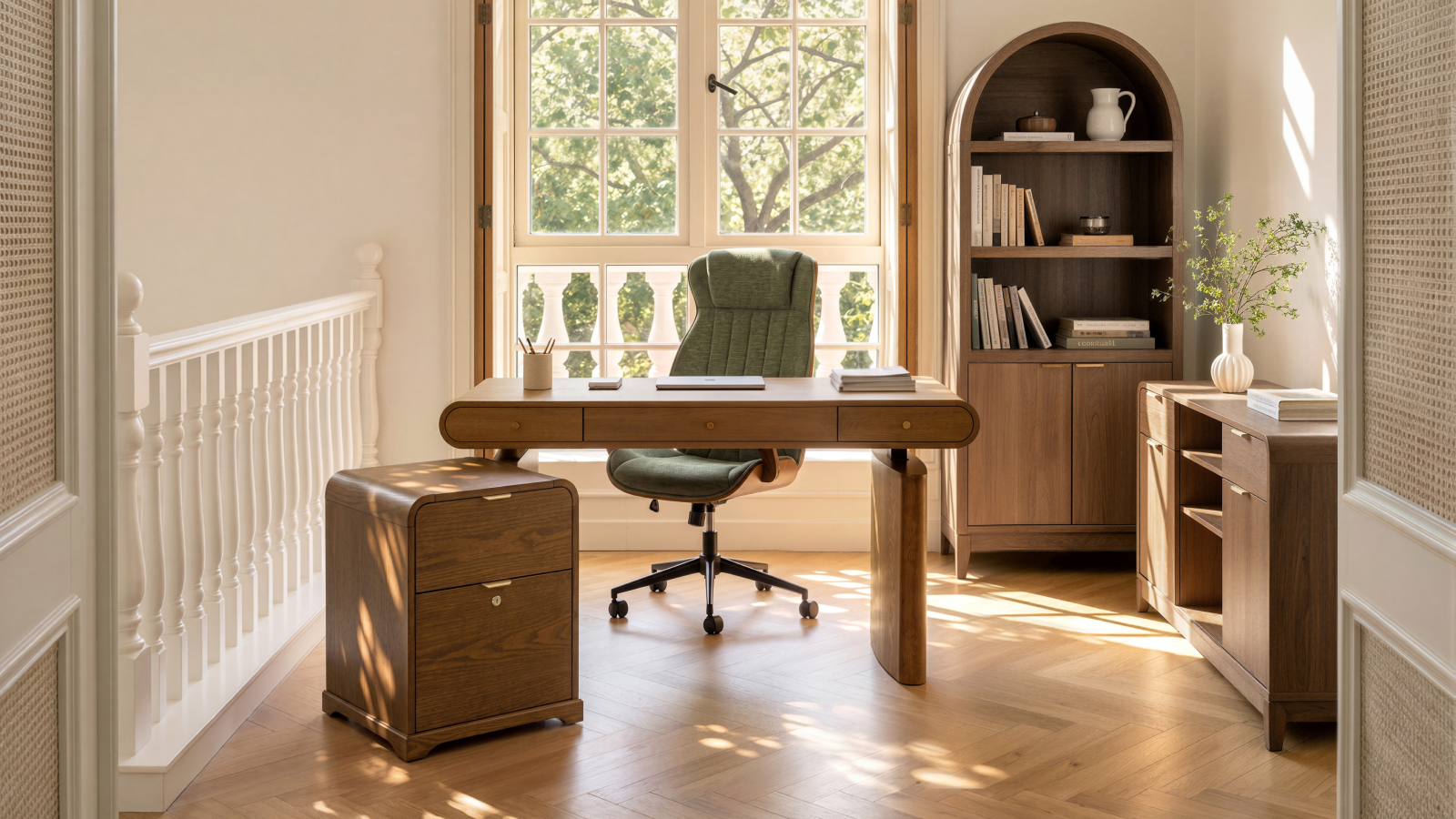
A modern home office does not need to feel like a separate commercial workspace. Instead, it can become a natural extension of the home through thoughtful furniture choices, balanced layouts, and cohesive design elements.
-jpeg.jpg?w=1200&h=1200)
Popular design characteristics include:
- Natural wood finishes
- Neutral color palettes
- Soft textures
- Rounded edges
- Minimal but functional silhouettes
This approach allows homeowners to create spaces that are both productive and visually comfortable.
4. Natural Materials and Sustainable Design Are Growing Priorities
Material quality has become an increasingly important factor in furniture purchasing decisions. Consumers are moving beyond simply looking for affordable furniture and are paying more attention to durability, craftsmanship, and long-term value.
Popular Materials in Contemporary Home Office Furniture
Modern home offices often incorporate:
- Natural wood finishes
- Solid wood elements
- Recycled or responsibly sourced materials
- Durable surface treatments
- Mixed-material combinations
Wood remains especially popular because it adds warmth and texture to workspaces while creating a more inviting atmosphere.
Why Material Quality Matters
A home office desk or storage piece is often used every day. Choosing durable furniture can improve the overall experience and reduce the need for frequent replacements.
As a result, contemporary furniture trends are increasingly focused on creating pieces that combine visual appeal with lasting functionality.
5. Technology-Friendly Features for Modern Workspaces
Modern workspaces need to support not only people but also the technology they use every day.
As digital work becomes more common, furniture designs are evolving to address common challenges such as cable clutter and device organization.
Common Technology-Inspired Features Include:
- Built-in cable management systems
- Charging stations
- Monitor shelves
- Hidden storage compartments
- Organization solutions for accessories
These features help create cleaner and more efficient workspaces, allowing users to focus without unnecessary distractions.
6. Popular Modern and Contemporary Home Office Design Styles
Different interior styles continue to influence how homeowners design their workspaces.
Warm Modern Home Office
Warm modern spaces combine contemporary simplicity with comfortable residential elements.
Common features:
- Wood tones
- Neutral colors
- Soft lighting
- Minimal decoration
This style works well for homeowners who want a workspace that feels professional but still connected to their home.
Minimalist Contemporary Office
Minimalist offices focus on simplicity and organization.
Key characteristics:
- Clean lines
- Functional furniture
- Limited visual clutter
- Efficient storage
This style is ideal for smaller spaces or people who prefer a calm working environment.
Japandi-Inspired Workspace
Japandi combines Japanese and Scandinavian design influences.
Popular elements include:
- Natural materials
- Simple forms
- Neutral colors
- Focus on balance and calmness
Mid-Century Modern Office
Mid-century modern designs remain popular because of their timeless appearance.
Common details include:
- Walnut finishes
- Tapered legs
- Retro-inspired shapes
- Functional simplicity
7. How to Choose Modern Home Office Furniture
Choosing the right home office furniture requires balancing practical needs with personal preferences.
Consider Your Working Style
Different users may need different setups:
- Full-time remote workers may prioritize ergonomic furniture and storage
- Hybrid workers may prefer flexible and compact solutions
- Creative professionals may need larger surfaces and inspiring designs
- Occasional users may need simple multifunctional furniture
Consider Your Space and Layout
Before selecting furniture, consider:
- Available room size
- Natural lighting
- Storage requirements
- Existing interior style
The best home office furniture should fit naturally into the space rather than overwhelm it.
Balance Functionality and Aesthetics
A successful modern home office combines:
- Comfortable design
- Practical features
- Quality materials
- Visual harmony
Furniture should support productivity while also making the workspace enjoyable to use.
8. Recommended Modern and Contemporary Home Office Furniture Brands
When exploring modern home office furniture, consumers often look for brands that balance design, functionality, and quality.
Some well-known brands include:
|
Brand |
Best Known For |
Design Style |
|
Herman Miller |
Premium ergonomic office furniture |
Modern professional |
|
West Elm |
Residential-inspired office furniture |
Warm contemporary |
|
Article |
Minimalist modern designs |
Contemporary |
|
Branch |
Affordable ergonomic solutions |
Functional modern |
|
IKEA |
Flexible and affordable setups |
Scandinavian modern |
|
Hulala Home |
Life-adaptive furniture design |
Contemporary & Modern |
Different brands serve different needs, from premium ergonomic solutions to stylish and affordable home office setups.
FAQs About Modern Home Office Furniture Trends
What are the latest trends in modern home office furniture?
The latest trends include multifunctional furniture, ergonomic designs, warm contemporary aesthetics, natural materials, and technology-friendly features.
What furniture is essential for a contemporary home office?
Essential pieces typically include a comfortable desk, ergonomic chair, functional storage, and proper lighting.
How can I make my home office feel less corporate?
Choose furniture with residential design elements such as natural wood finishes, soft textures, neutral colors, and styles that match the rest of your home.
What is the difference between modern and contemporary office furniture?
Modern furniture often emphasizes clean lines, simplicity, and minimal design, while contemporary furniture reflects current trends and frequently incorporates warmer materials and flexible designs.
Conclusion: The Future of Home Office Furniture Is Functional and Beautiful
Modern and contemporary home office furniture is moving beyond traditional workplace design. Today’s homeowners want spaces that support productivity while still feeling comfortable, personal, and connected to their homes.
The future of home office design is not about separating work from living spaces. Instead, it is about creating environments where functionality and aesthetics can exist together.
As this trend continues, furniture brands that focus on combining practical workspace solutions with residential appeal, such as Hulala Home’s home office collection, represent the evolving direction of modern workspace design.