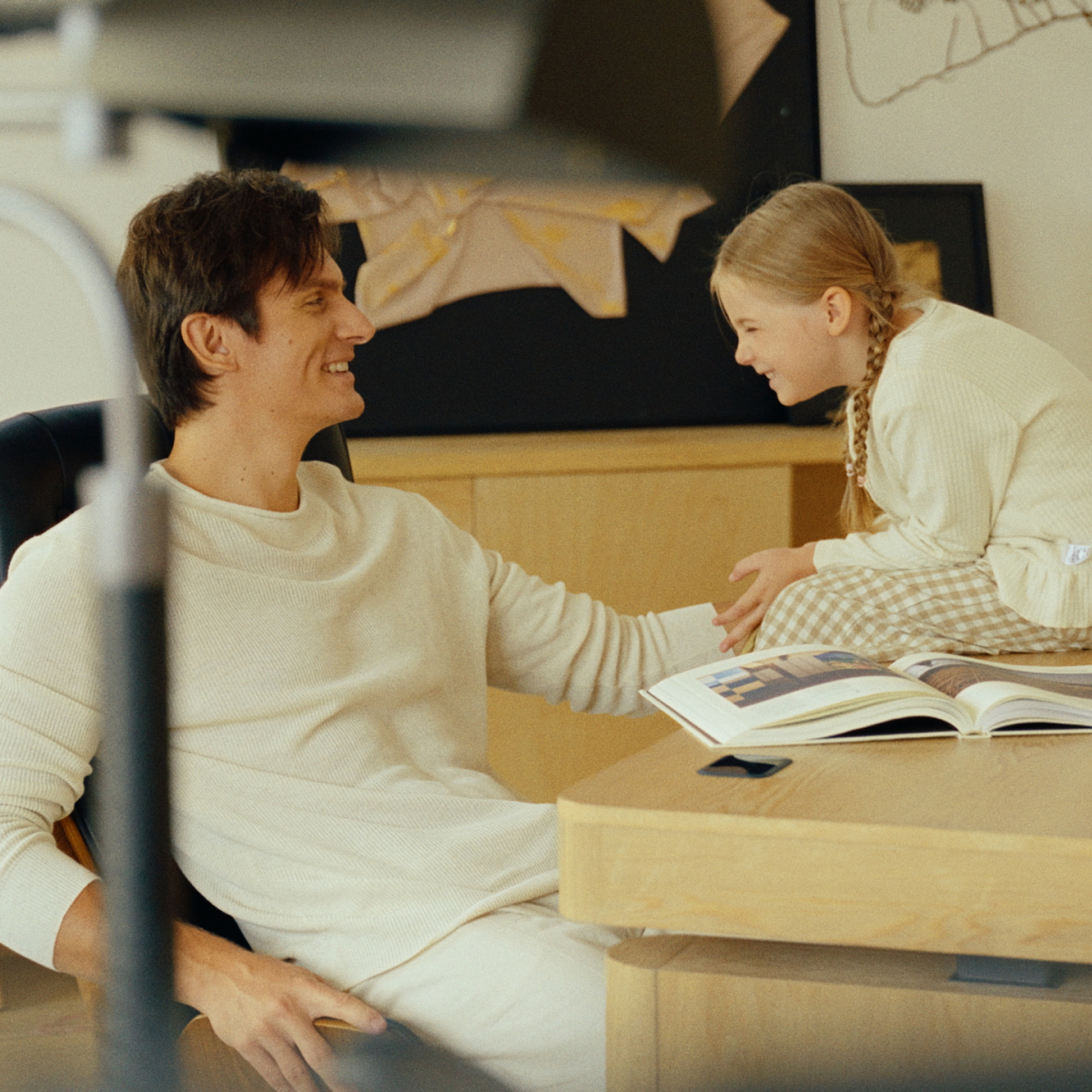
When your child moves out, the change is bigger than an empty bedroom. For years, that room may have been part of the rhythm of family life—a place for homework, late-night conversations, clothes on the floor, and all the small signs of someone growing up. Then one day, it becomes quiet.
So what should you do with it?
You could turn it into a guest room, home office, reading space, or hobby room. But you don't necessarily have to decide on one permanent purpose.
A better approach may be to create a room that works for the way you live now while staying ready for what comes next.
After all, your family hasn't stopped changing just because one child has moved out.
Start With How You Use Your Home Now
Before buying new furniture or completely redesigning the room, ask a simpler question:
What does your home need more of today?
Maybe you've been working at the kitchen table for years and finally want a dedicated home office. Maybe family and friends visit more often and you could use a comfortable guest room. Or perhaps you simply want a quiet place to read, exercise, create, or spend time on a hobby.
There is no single right answer.
In fact, recent home-design advice increasingly treats an empty bedroom as an opportunity to support a homeowner's current lifestyle rather than leaving the room unused. Designers commonly suggest uses ranging from guest rooms and home offices to hobby spaces and multipurpose rooms.
The important part is to start with your actual needs, rather than choosing a room function simply because it is the most obvious option.
1. Turn It Into a Guest Bedroom
One of the simplest options is to keep the room as a bedroom, but give it a fresh purpose.
Your child may have moved out, but that doesn't necessarily mean they will never sleep there again. Adult children may come home for holidays, visit for a weekend, or stay for a longer period while transitioning between homes. Parents, siblings, grandchildren, and friends may also need a place to stay.
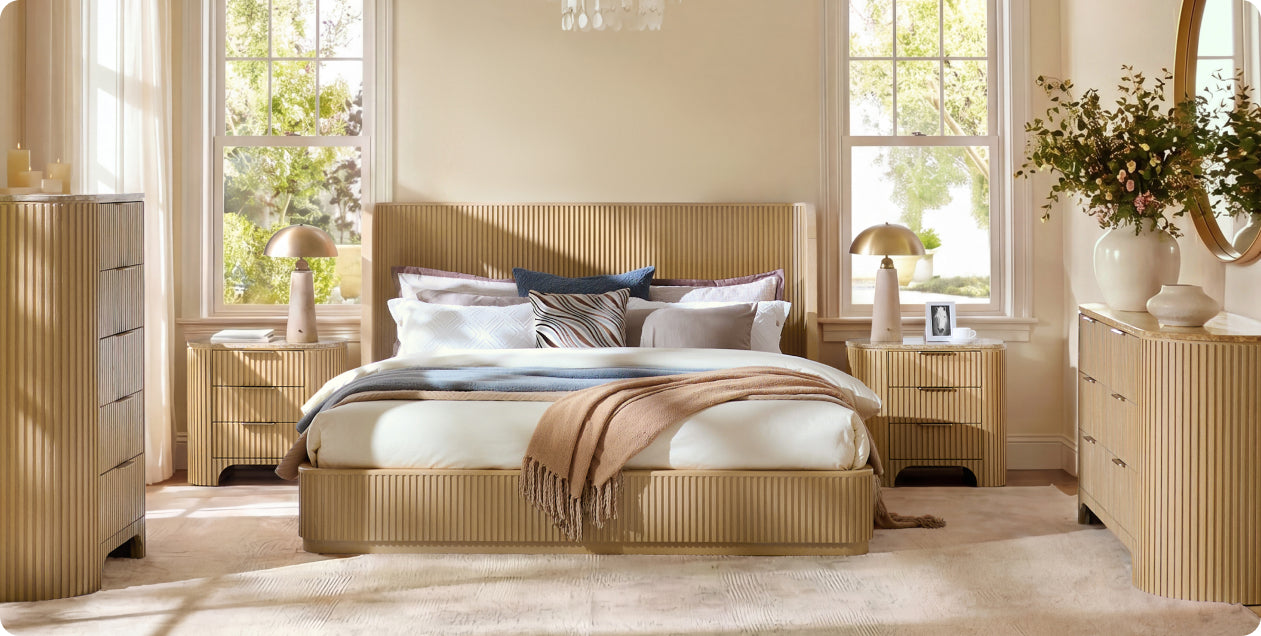
So you don't necessarily need to remove every trace of the bedroom's original function. Instead, make it feel like a comfortable guest room while keeping enough flexibility for family visits.
Keep the Basics That Still Work
If the existing bed is comfortable and in good condition, there may be no reason to replace it simply because your child's life has changed.
A fresh set of bedding, updated lighting, a more neutral color palette, and some thoughtful storage may be enough to make the room feel different.
The goal isn't to erase the room's history. It's to make it useful again.
Give Guests Space Without Filling Every Corner
A guest room doesn't need to be packed with furniture.
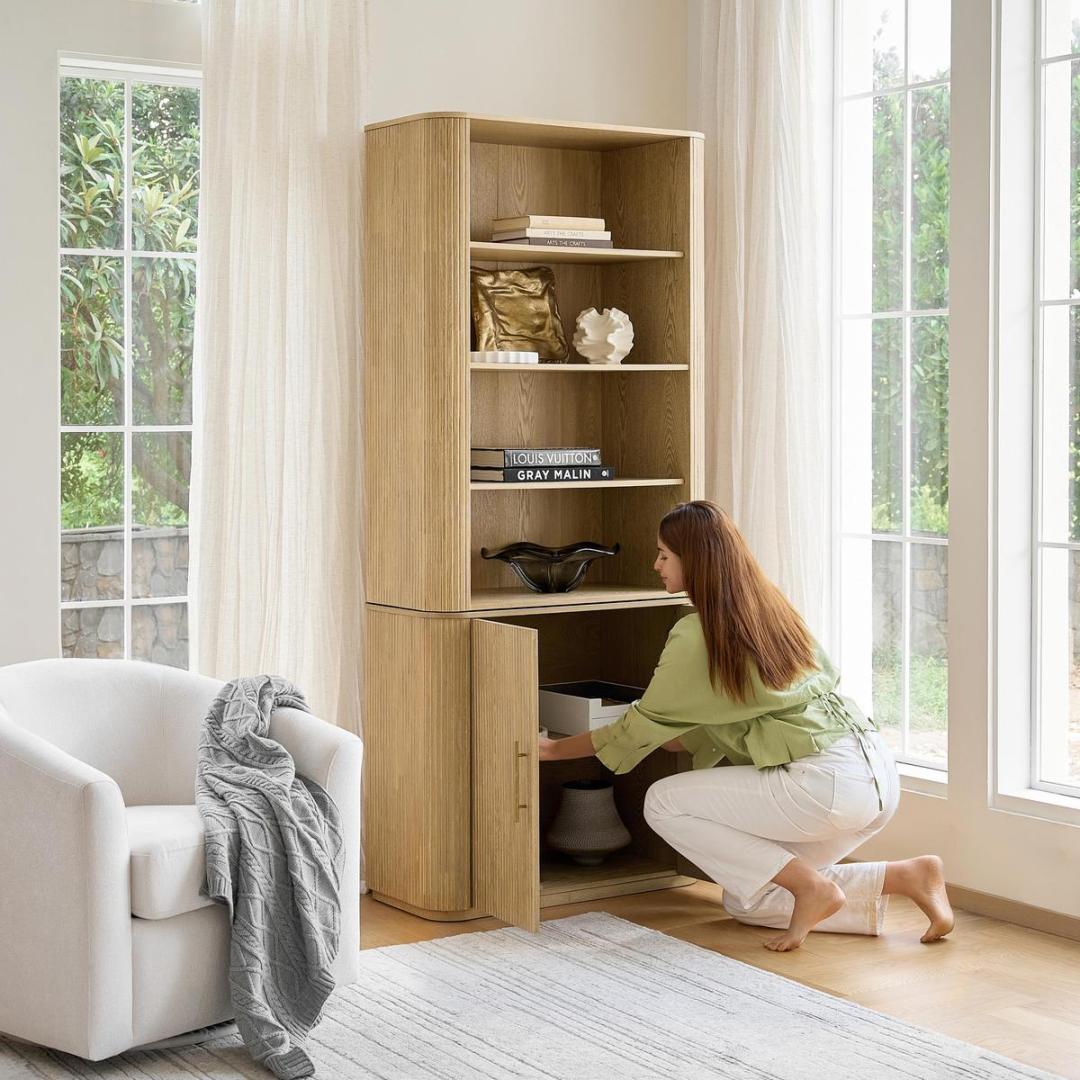
Leave enough open space for people to move around comfortably. A dresser or storage cabinet can provide a place for guests to put their belongings while also serving another purpose when the room isn't occupied. For example, a modern storage cabinet can provide closed storage while also working as a media or display surface.
That means the room can function as a guest room when someone visits and as something else the rest of the time.
2. Create the Home Office You Never Had
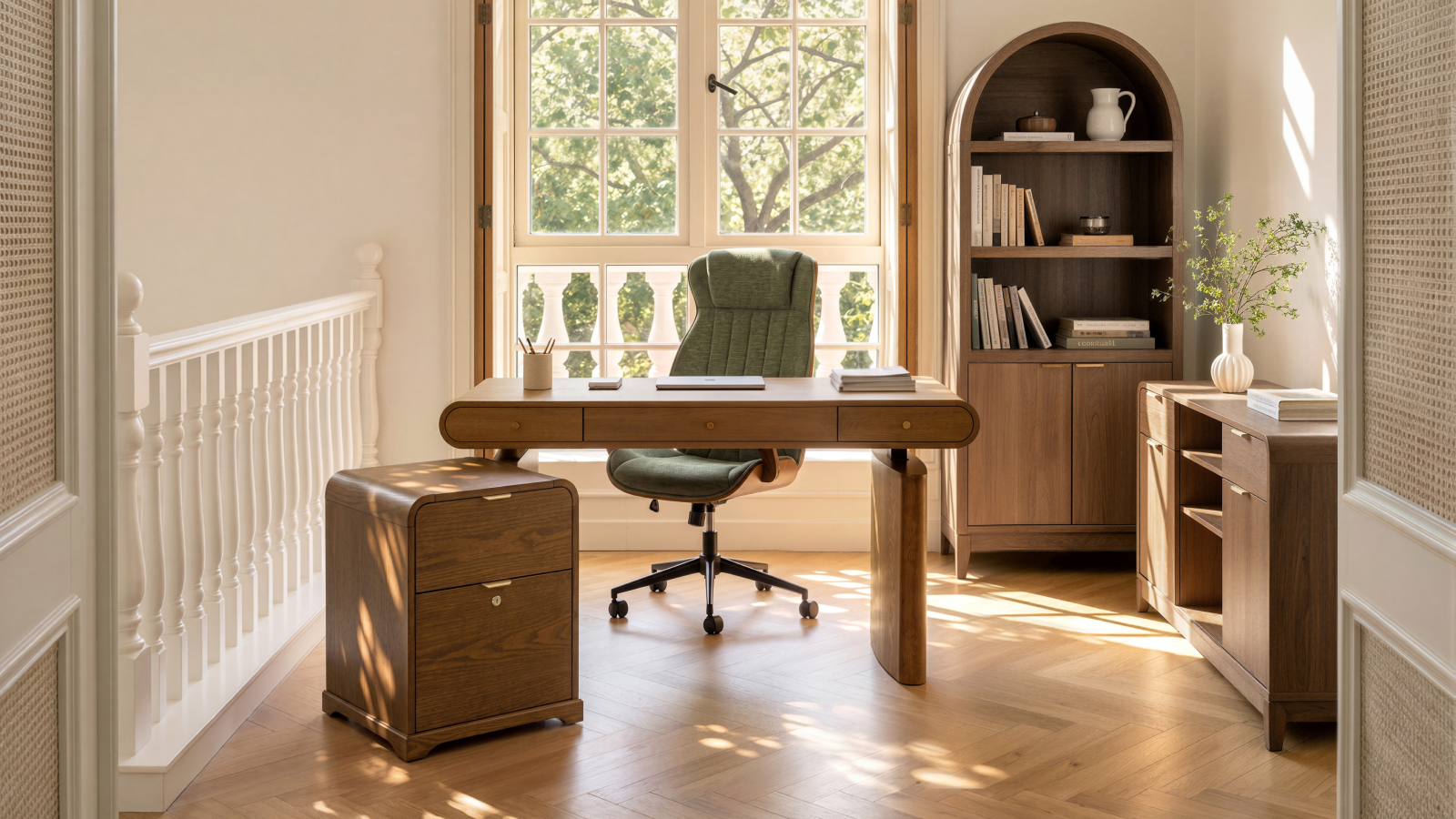
If you've spent years working from the dining table, kitchen counter, or a corner of the living room, your child's old bedroom could finally give you a dedicated workspace.
A separate room can create a clearer boundary between work and the rest of your home. And because the room already has a defined footprint, you don't necessarily need to make major structural changes.
Choose a Desk That Can Change With Your Workday
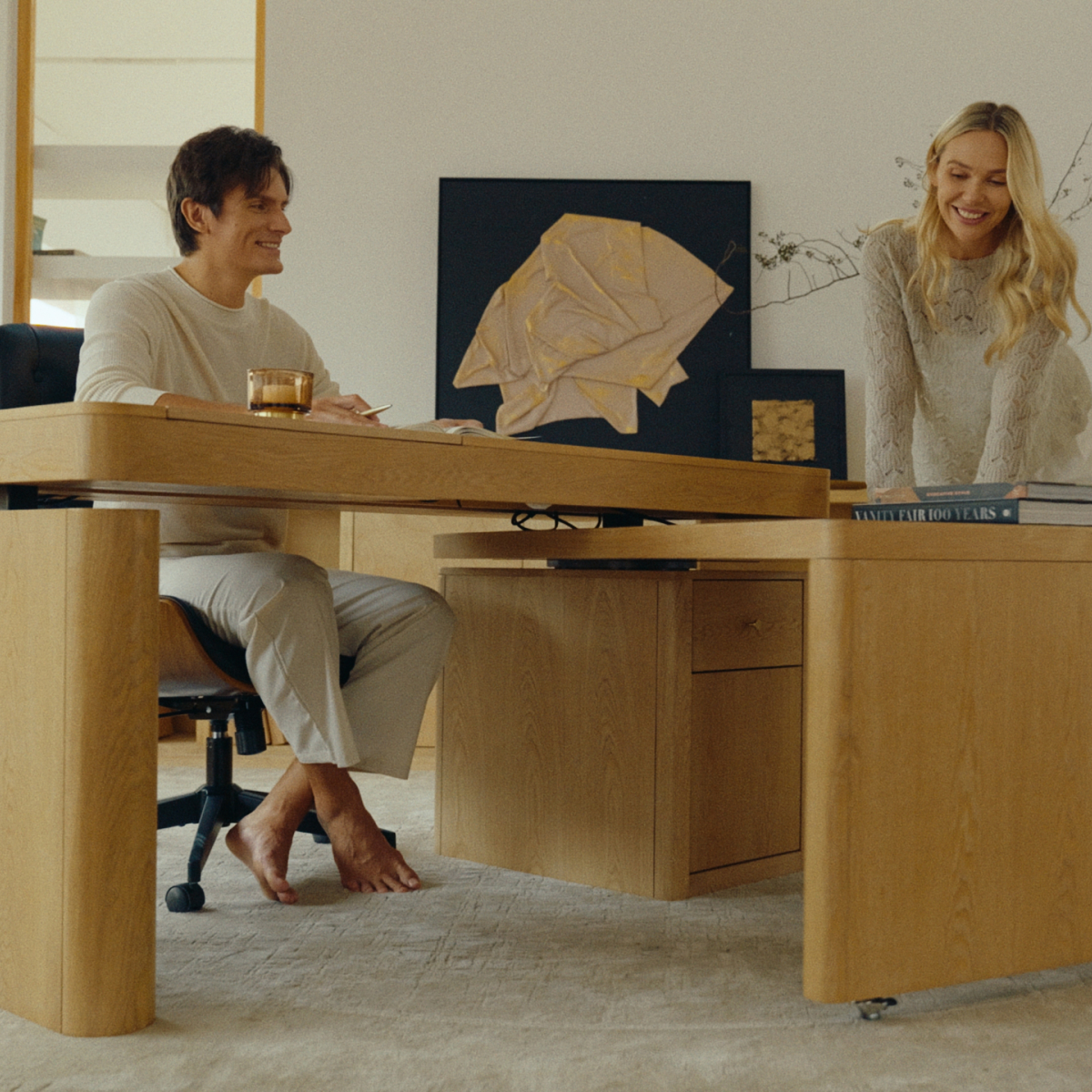
A height-adjustable desk can make a bedroom office more flexible because the desk can move between sitting and standing positions rather than locking the room into one working posture.
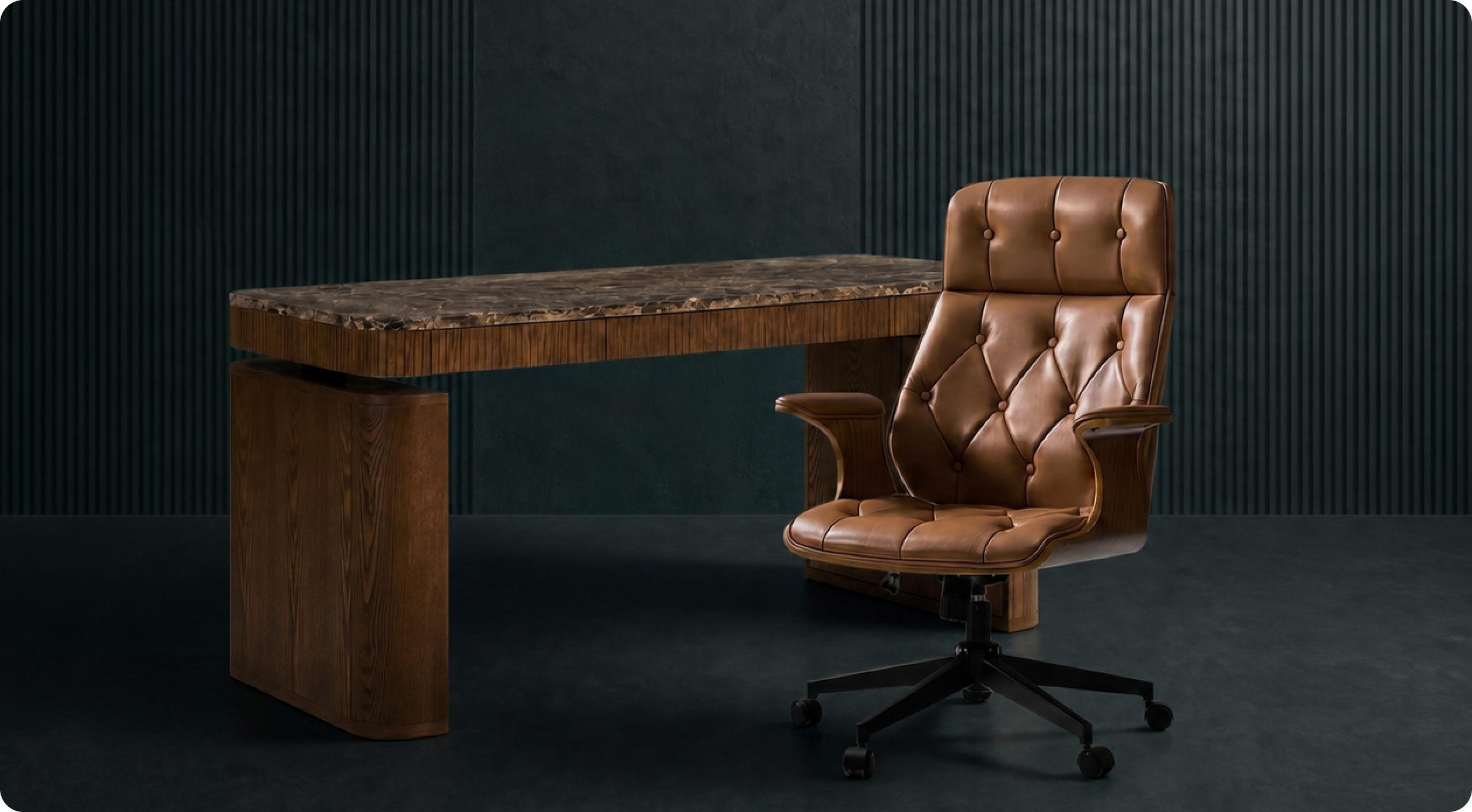
Choose an electric height-adjustable desktop with integrated storage and a furniture-oriented design, making it suitable for a workspace that still feels like part of the home.
Also, upgrade your workspace with a standing desk featuring built-in AC, USB, and Type-C power outlets. Keep your setup tidy and all your devices charged without the cable mess.
The point isn't simply to create a more sophisticated office. It's to make the room useful without making its purpose too rigid.
3. Make It a Guest Room + Something Else
You may not need a dedicated guest room or a dedicated office. You may need both—but perhaps not at the same time. That's where a multipurpose room makes sense.
During the week, the room could be your home office. When the family comes to visit, it becomes a guest bedroom. On a quiet afternoon, it could become a reading space.
This approach can be especially useful if you have limited space elsewhere in your home.
Think in Modes, Not Permanent Functions
Instead of asking: "What is this room?". Try asking: "What do we need this room to do?"
That small change in thinking can lead to a more flexible layout. A desk can support work during the day. A comfortable chair can create a reading corner. Storage can keep the room organized without taking over the space. And when guests arrive, the room can shift again.
The best multifunctional rooms don't necessarily look like three rooms squeezed together. They feel like one well-designed space that can support different activities.
4. Create a Quiet Room for Yourself
After years of having a busy household, you may not actually need another "functional" room. You may simply want somewhere quiet.
A former child's bedroom can become a reading room, music space, creative studio, exercise area, or personal retreat. You don't need to justify the room by making it productive. Sometimes, having a door you can close and a comfortable place to sit is enough.
Keep the Room Calm and Uncluttered
This is also a good opportunity to resist the temptation to fill every empty corner.
A room that has just become available can quickly become a storage room for things that don't have another home. But that usually doesn't solve the problem—it simply gives clutter a new address. Instead, keep only what supports how you actually want to use the room.
A bookcase combines open display space with concealed storage can hold books and personal objects. A cabinet can keep less attractive necessities out of sight. A comfortable chair can create a place to read or relax.
5. Don't Decide Forever
Perhaps the most practical answer to "What should I do with a bedroom after my child moves out?" is:
You don't have to decide permanently.
Your child may move back home temporarily.
You may start working from home more often.
Your parents may eventually need a place to stay.
You may discover a new hobby.
You may simply want a different kind of space five years from now.
Life doesn't move in a straight line, so your home doesn't have to either.
Keep Some of the Bedroom's Original Flexibility
This doesn't mean leaving the room untouched forever.
It means making changes that are easy to change again.
For example:
- Keep a comfortable sleeping option if your child or guests may return.
- Choose furniture that can serve more than one purpose.
- Avoid filling the room with oversized pieces that limit future layouts.
- Use storage that can work for different types of belongings.
- Leave enough open floor space for the room to change roles.
This approach can also help you avoid the cycle of buying furniture for one stage of life and replacing everything when your needs change.
FAQs: What to Do With a Bedroom After Your Child Moves Out
Should I keep my child's bedroom after they move out?
You can, especially if your child may return for holidays or extended visits. If the room is rarely used, consider giving it a new purpose while keeping a comfortable sleeping option and some dedicated storage.
What is the best use for an empty bedroom?
There isn't one universal answer. Common options include a guest room, home office, hobby room, reading room, or a combination of these. The best choice depends on what your household needs most now.
Can I turn my child's room into a home office?
Yes. A former bedroom can make an effective home office because it provides a separate space away from the main living areas. A height-adjustable desk can make the workspace more flexible for different working positions and routines.
Can a bedroom be both a guest room and home office?
Absolutely. A multipurpose room can be more useful than dedicating the entire space to one function. The key is choosing furniture and a layout that allow the room to shift between different uses.
Should I remove all of my child's belongings?
Not necessarily. Sort belongings thoughtfully and keep meaningful items or things your child still needs. A defined storage area can allow you to reclaim the room without completely removing its connection to your child.
How can I make an empty bedroom flexible for future needs?
Avoid designing it around only one use. Choose furniture that can serve multiple purposes, keep the layout open, use practical storage, and leave enough space to rearrange the room as your family's needs change.
Related blog:
What Furniture Should I Buy for My First House?
How to Choose Furniture for Newly Married Couples