Buying furniture for your first house is exciting—but it can also become overwhelming quickly. An empty home can make you feel like you need to furnish every room at once, yet buying everything at once often leads to unnecessary purchases, mismatched pieces, and furniture that no longer works when your lifestyle changes.
A better approach is to think about how you will live in your home, then choose furniture that supports your everyday routines and can continue to work as those routines evolve.
Whether you are moving into your first house as a couple, setting up a home before starting a family, or simply creating a space of your own, this guide will help you decide what furniture to buy first.
Start With the Furniture You Will Use Every Day
Before choosing colors, styles, or decorative pieces, consider the furniture that supports your daily life.
For most first homes, the priority should be:
- A bed and bedroom storage
- A sofa for the living room
- A dining table and chairs
- Storage furniture
- A functional workspace
- Flexible or multifunctional pieces
- Accent and decorative furniture
You do not necessarily need all of these immediately. Start with the pieces that solve your most important everyday needs.
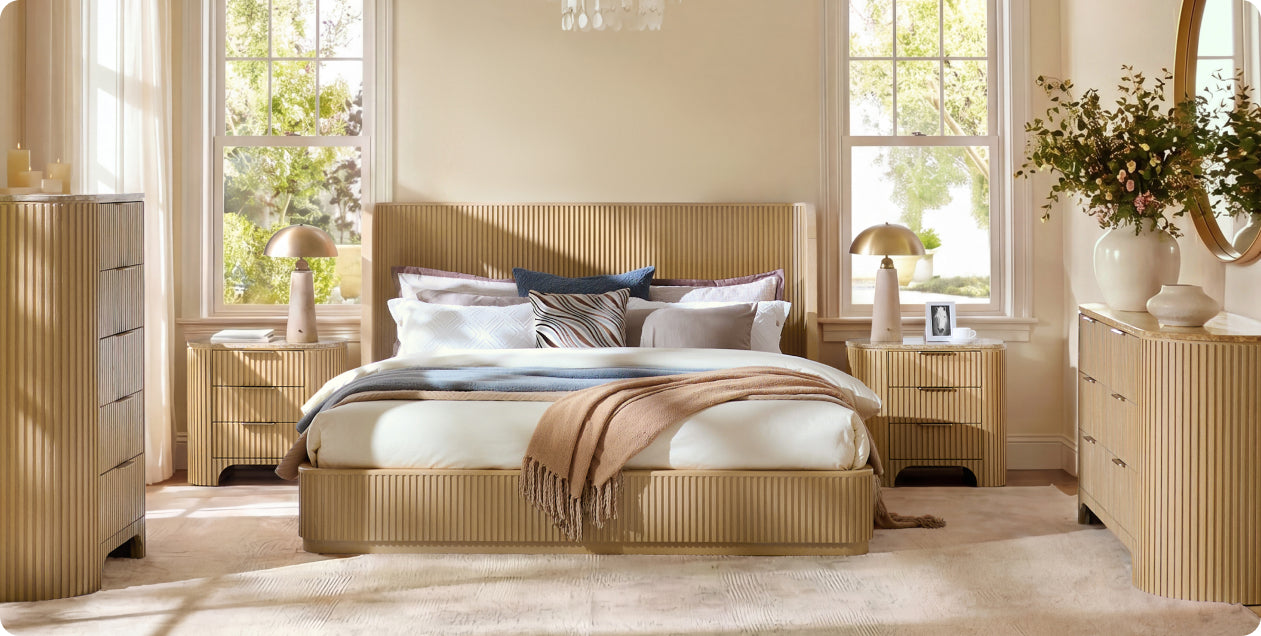
1. Invest in a Bed and Bedroom Essentials First
Your bedroom is one of the first spaces worth completing because it directly affects your everyday routine.
Start with:
- A bed frame
- A comfortable mattress
- Nightstands
- A dresser or other clothing storage
- A wardrobe if built-in storage is limited
When choosing bedroom furniture, pay attention to the amount of space you actually have. A large bed may look appealing in a showroom but can make a smaller bedroom difficult to move around in.
If you expect your living situation to change, consider furniture that can remain useful through those changes rather than choosing pieces solely for your current setup.
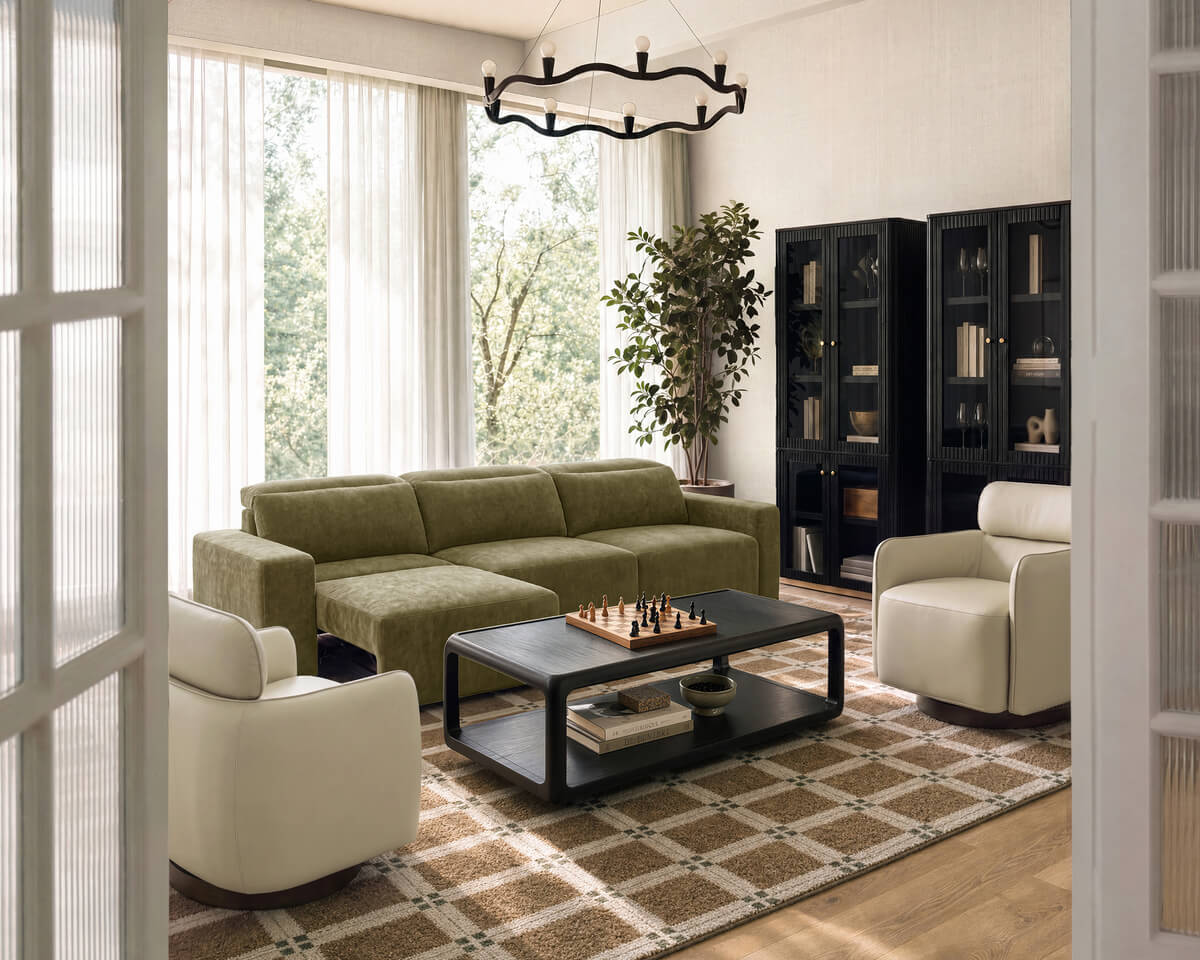
2. Choose a Sofa That Can Grow With Your Living Room
The sofa is often the visual and functional center of a living room. It is where you relax, watch TV, read, entertain friends, and eventually spend time with your family.
Instead of asking only, "What sofa looks best?", ask "How might I use this sofa two, five, or ten years from now?"
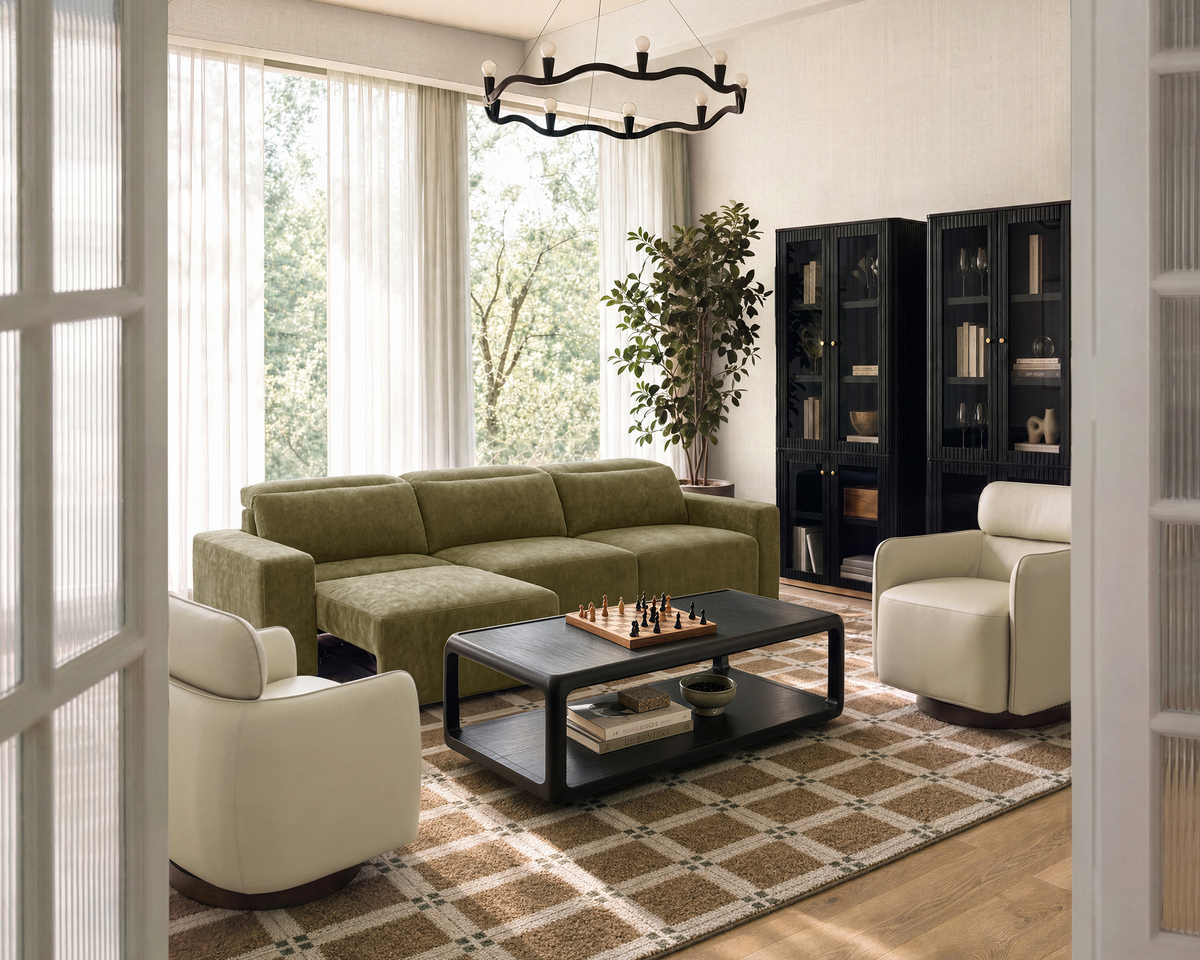
A modular sectional can be particularly useful because its configuration can change as your space or needs change. A sofa bed can also provide an additional sleeping option when friends or family stay overnight.
For a first house, flexibility can be more valuable than choosing the largest sofa you can fit into the room.
3. Buy a Dining Table That Fits More Than Today's Household
A dining table is another piece worth thinking about beyond your current situation.
For example, a couple may initially need seating for only two or four people. But over time, you might host friends more often, welcome family members for holidays, or have children.
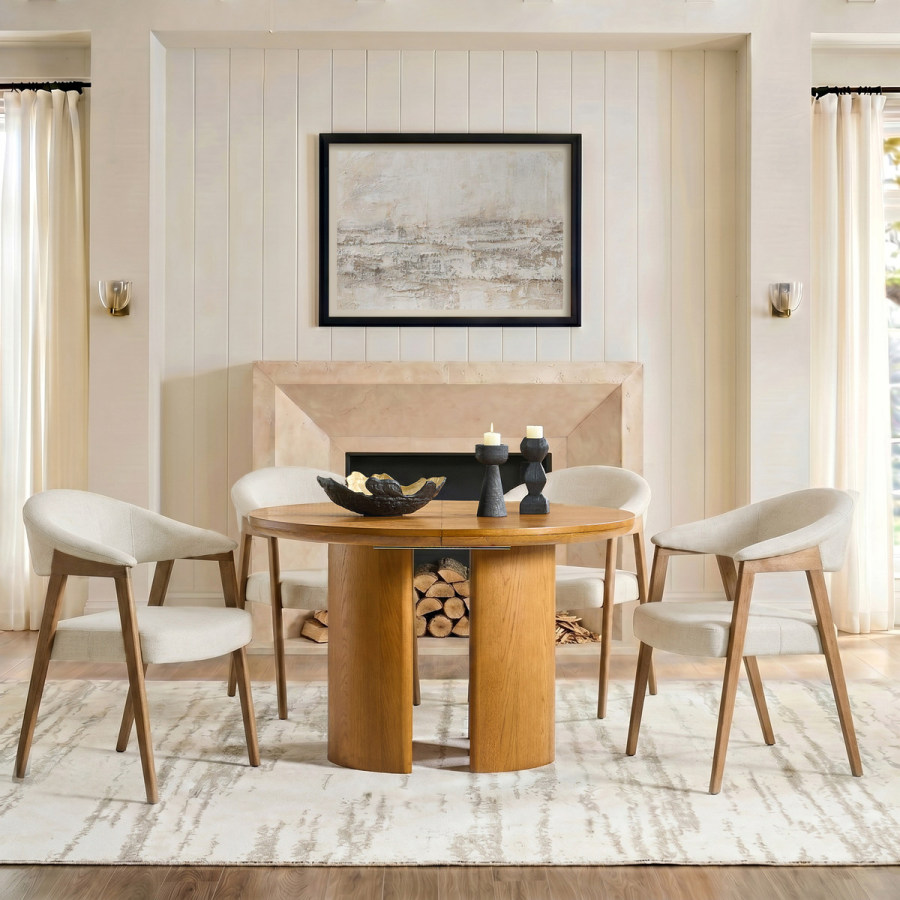
An extendable dining table can accommodate these changes without requiring you to replace the entire table.
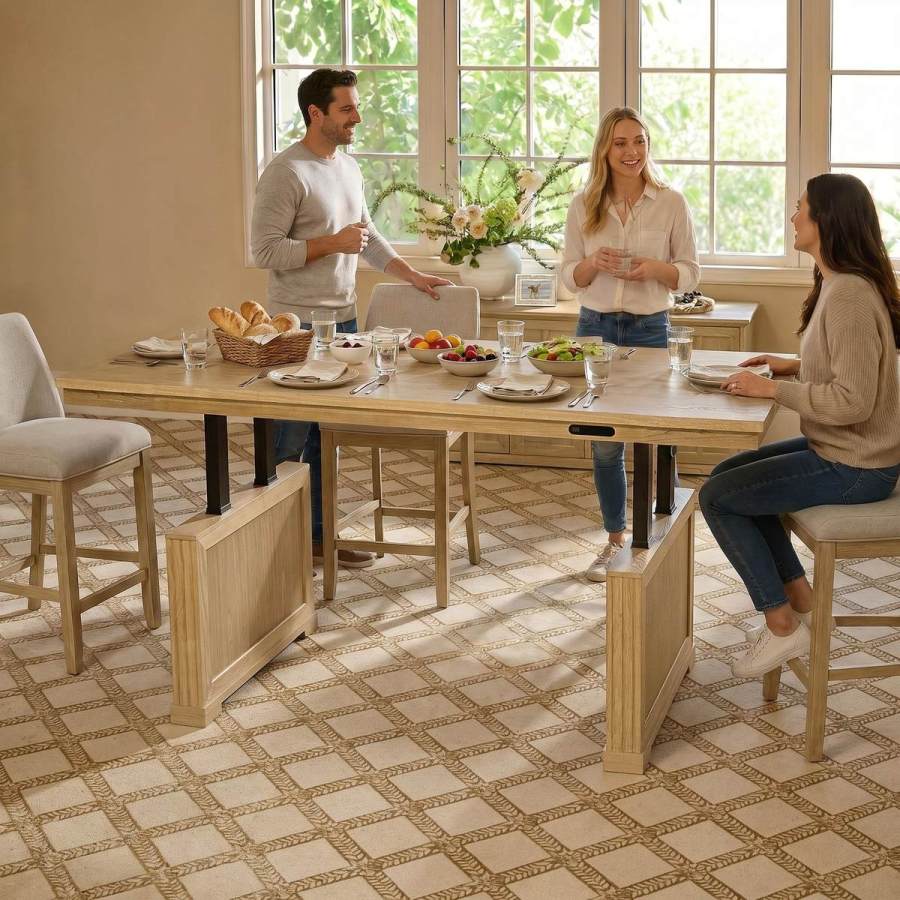
An adjustable-height dining table offers another type of flexibility. Depending on the design, it can transition between dining and other activities, such as working from home, doing crafts, or entertaining.
The best dining table for a first house is not necessarily the biggest one. It is the one that works comfortably in your everyday space while giving you room to adapt when you need it.
4. Prioritize Storage—But Don't Overfill Your House
Storage is easy to underestimate when you first move in.
An empty house may initially feel spacious, but belongings tend to accumulate. Kitchen equipment, books, children's items, electronics, seasonal decorations, and everyday clutter can quickly take over open surfaces.
Useful storage furniture can include:
- Sideboards
- Cabinets
- Dressers
- Bookshelves
- Entryway storage
- Media consoles
- Bedside storage
Look for storage that serves more than one purpose. A well-designed cabinet can store everyday items while also helping create a visually organized room.
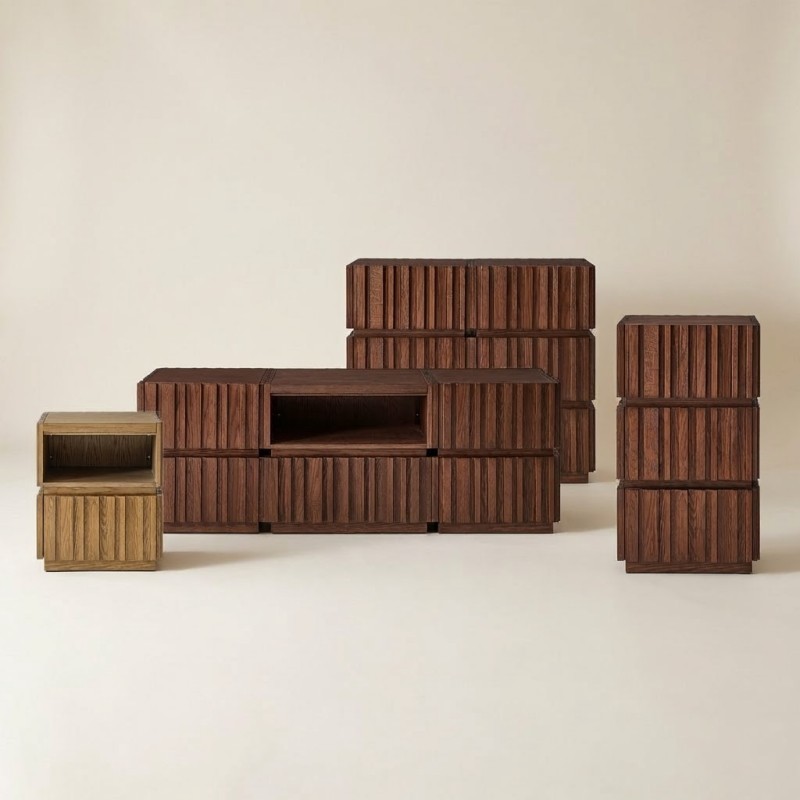
It is also worth considering modular storage. Pieces that can be rearranged or expanded can remain useful when your storage needs change.
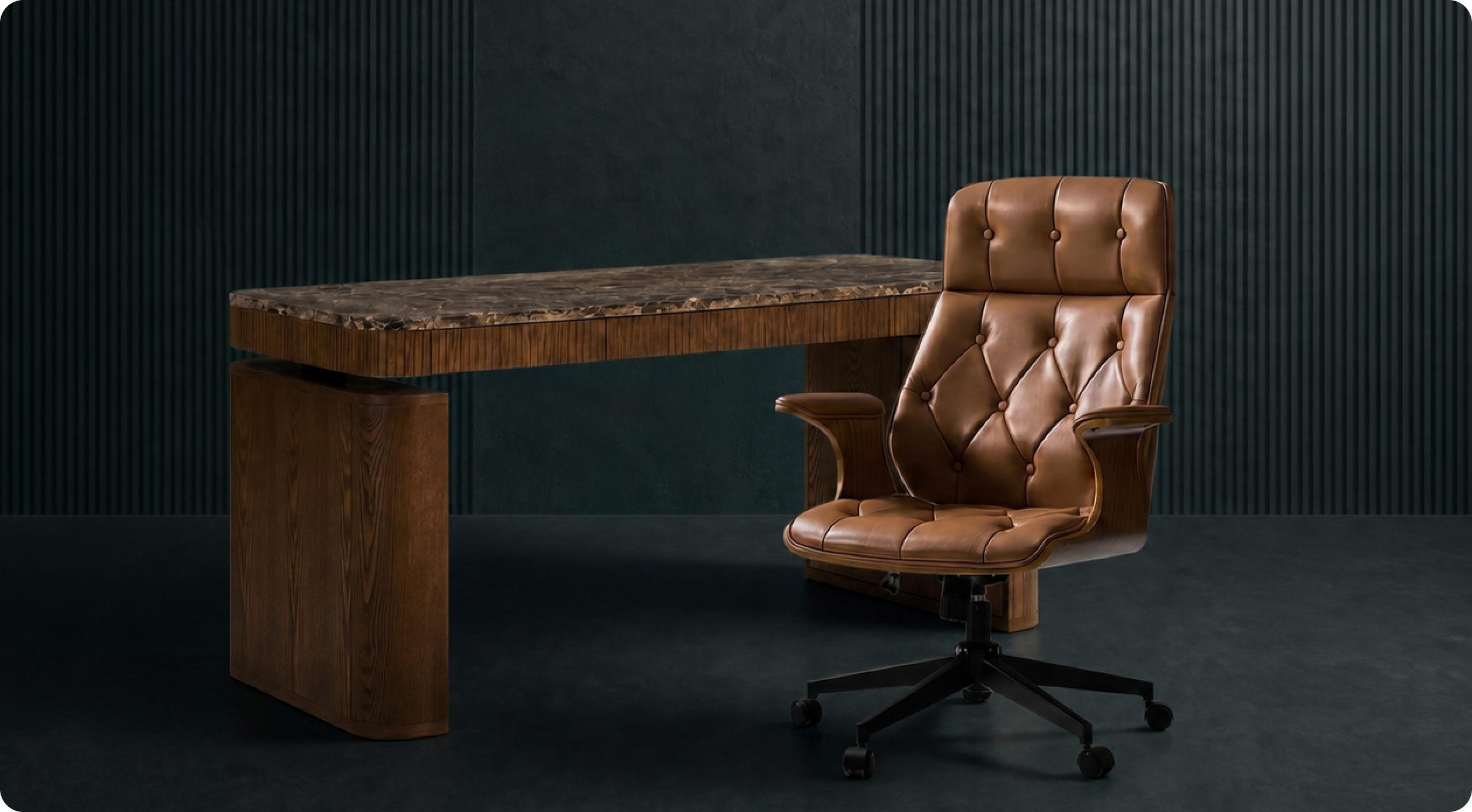
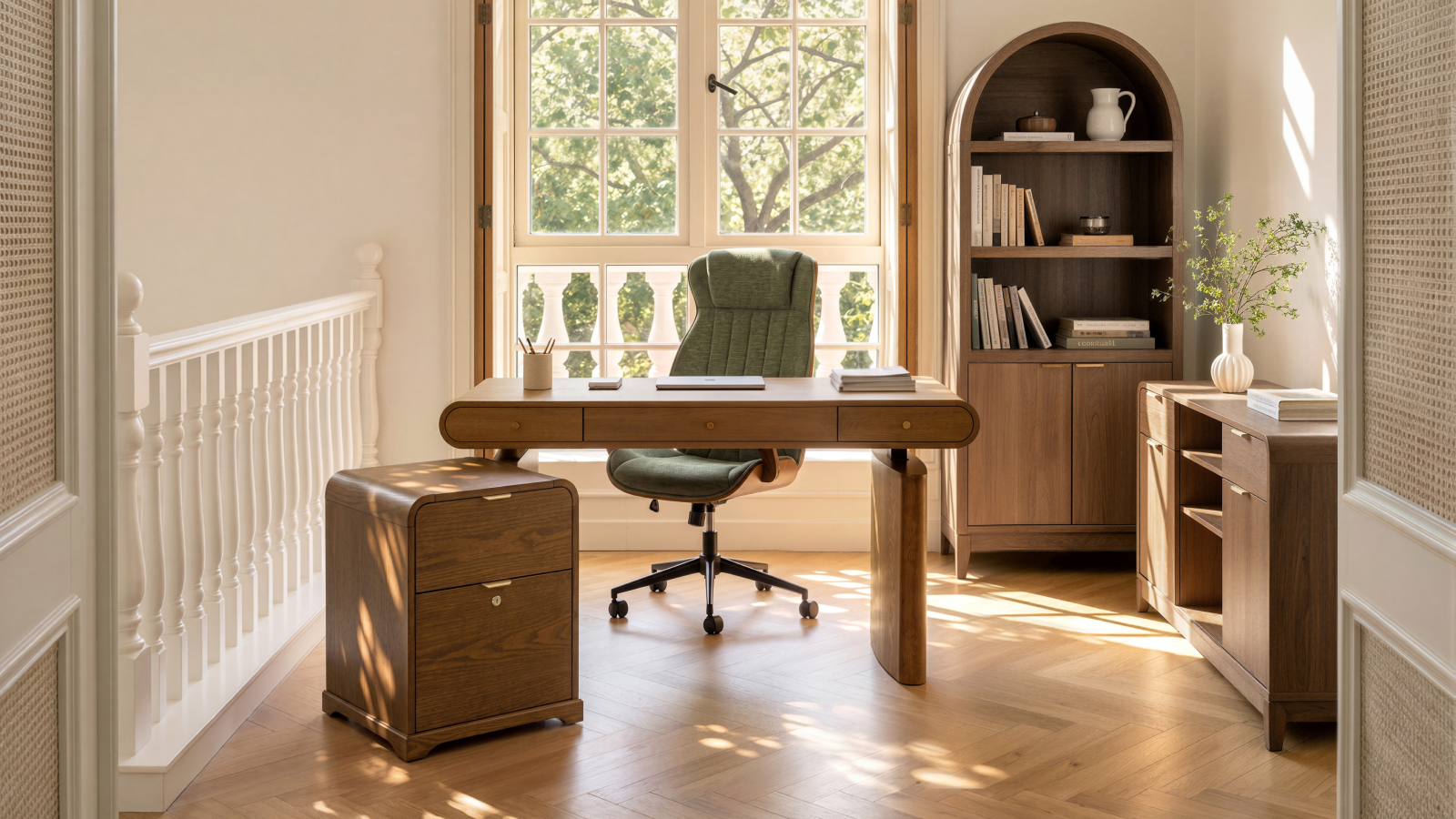
5. Create a Home Office That Can Change With Your Routine
You may not need a dedicated home office.
A small workspace can be enough if you work from home occasionally. If you work remotely every day, however, a more intentional setup can make a significant difference.
Consider:
- A desk with enough surface area for your equipment
- An ergonomic chair
- Task lighting
- Cable management
- Storage for work supplies
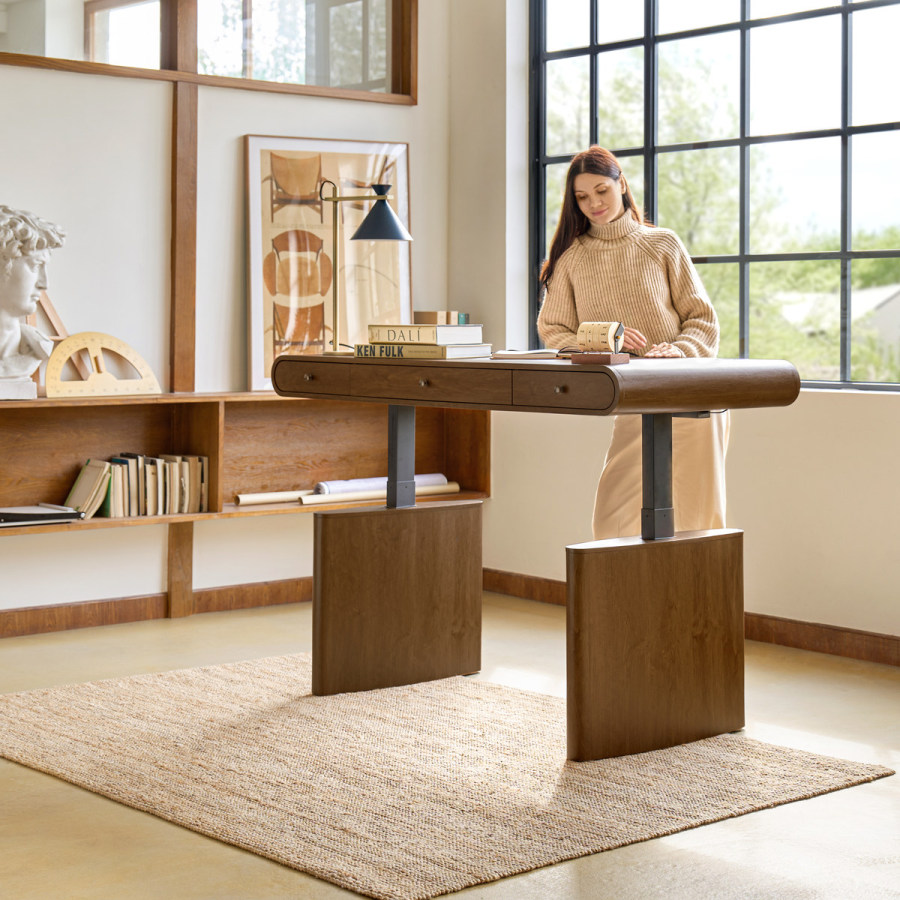
A height-adjustable desk can provide additional flexibility by allowing you to alternate between sitting and standing.
More importantly, think about whether the room might eventually serve another purpose. A spare bedroom could become a nursery. A guest room could become a home office. A dining area might occasionally need to function as a workspace.
Furniture that can accommodate different modes of living can help you avoid having to redesign the entire room every time your circumstances change.
6. Look for Furniture That Serves Multiple Purposes
Your first house does not need to be filled with furniture immediately.
In fact, multifunctional furniture can help you make better use of your space while you figure out how you actually live in your new home.
Examples include:
- Sofa beds for seating and occasional sleeping
- Extendable dining tables for everyday meals and larger gatherings
- Height-adjustable tables for dining, working, and other activities
- Modular sectionals that can be rearranged
- Storage cabinets that divide and organize spaces
- Ottomans that provide seating, storage, or a place to put your feet up
The goal is not to make every piece of furniture do five different things. Instead, choose a few versatile pieces where flexibility genuinely solves a problem.
7. Don't Forget Entryway and Everyday Storage
Your entryway is one of the first places you interact with when you come home, but it is often overlooked when furnishing a first house.
Depending on your space, consider:
- A console table
- A bench
- Shoe storage
- Coat storage
- A small cabinet or catch-all area
A simple entryway setup can prevent shoes, bags, keys, and other everyday items from spreading throughout the house.
8. Add Accent Furniture After the Essentials
Once the major functional pieces are in place, you can start adding furniture that makes the house feel more personal.
This might include:
- Coffee tables
- Side tables
- Accent chairs
- Benches
- Bookcases
- Bar carts
- Decorative cabinets
There is no need to purchase all of these immediately.
Living in your house for a while will tell you more about what you actually need than a furniture showroom can. You may discover that you need an extra side table, more storage, or a different seating arrangement—but you may also discover that the empty corner you wanted to fill does not need anything at all.
What Furniture Should You Not Buy Immediately?
Not every piece deserves a place on your first shopping list.
Consider waiting before buying:
- Large decorative furniture
- Furniture for rooms you rarely use
- Extra seating you do not currently need
- Oversized pieces chosen simply because you have empty space
- Matching sets that limit future flexibility
Your first house will naturally evolve as you live in it.
Leaving some space unfinished is not a failure to decorate. It gives you room to discover what your home actually needs.
A Better Way to Think About Your First House
Your first house does not have to be perfectly furnished from day one.
Instead of trying to create a finished home immediately, build a home that can keep up with your life.
Choose foundational pieces for the spaces you use most. Prioritize comfort and function. Then, where possible, choose furniture that can adjust, expand, rearrange, or serve different purposes as your needs change.
That way, the furniture you buy today does not become a limitation tomorrow.
The best furniture for your first house isn't simply furniture that fits your home today. It's furniture that leaves your home room to evolve.
Buy an Adaptive Home Instead of Replacing Later
How much furniture should you buy for your first house? A classic rule is: Buy for the way you live now, but choose important pieces with the future in mind.
But Hulala believes a home should adapt, not require you to replace everything later. We design furniture for change, so you can keep what you own as your life evolves.
One of the biggest mistakes first-time homeowners make is furnishing their house entirely around their current lifestyle. After all, your home may look very different a few years from now.
You might:
- Move from living alone to living with a partner
- Have a baby
- Have children who need more space
- Have parents or relatives stay with you
- Start working from home
- Move to a different-sized home
- Host friends and family more often
That does not mean you need to predict your entire future. Instead, look for furniture that gives you options.
Hulala creates furniture designed to adapt to different life stages and everyday scenarios. A dining table that expands when guests arrive. A sectional that can be rearranged after a move. A sofa that provides occasional sleeping space. A desk that changes from sitting to standing. Storage that can be reorganized as your belongings change.
Hulala won't ask you to start over.
Reated blog:
How to Choose Furniture for Newly Married Couples