


What Is the Proper Way to Sit in a Recliner?

Recliners are designed to help us relax — whether it's watching a movie, reading a book, or taking a quick nap. But did you know that poor posture while sitting in a recliner can lead to back pain, sore muscles, or even numb legs?
Whether you're using a cozy nursing chair or a power lift recliner, sitting properly makes all the difference. Here's how to get the most out of your recliner — without compromising your health.

Why Proper Sitting Posture in a Recliner Matters
When we sit in recliners the wrong way, we often slouch or recline too far, leaving our lower back unsupported and our legs hanging. This can strain the spine, reduce circulation, and result in unnecessary discomfort.
In contrast, the right posture:
Supports your lumbar spine
Promotes healthy blood flow
Reduces muscle tension
Helps you feel more rested, not sore
Especially for seniors or new moms using a nursing chair, sitting right is not just about comfort — it's essential for recovery and long-term wellness.
How to Sit Properly in a Recliner: Step-by-Step
1. Choose a Recliner That Fits Your Body
Your recliner should allow your feet to touch the floor when seated upright. Your knees should be at a 90-degree angle or slightly elevated when the footrest is up.
👉 Tip: The HULALA HOME Power Lift Recliner is ideal for seniors, with ergonomic back support and easy electric adjustments for optimal fit.
2. Sit All the Way Back
Don't perch on the edge. Sit deep into the seat so your lower back is fully supported. This helps distribute your weight evenly and prevents slouching.
3. Adjust the Footrest
Raise the footrest so your calves and ankles are supported, and your feet aren't dangling. For shorter users, placing a small pillow under the knees can improve circulation.
4. Recline with Control
Aim for a recline angle of 110°–130° — enough to take pressure off your lower back, but not so much that your back loses full support.
5. Use Lumbar and Neck Support
Many recliners include built-in cushions, but if not, consider adding a small pillow behind your lower back and neck to maintain the spine’s natural curve.
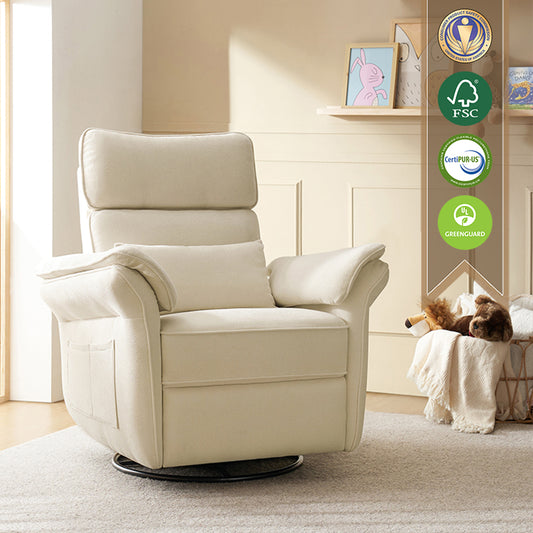
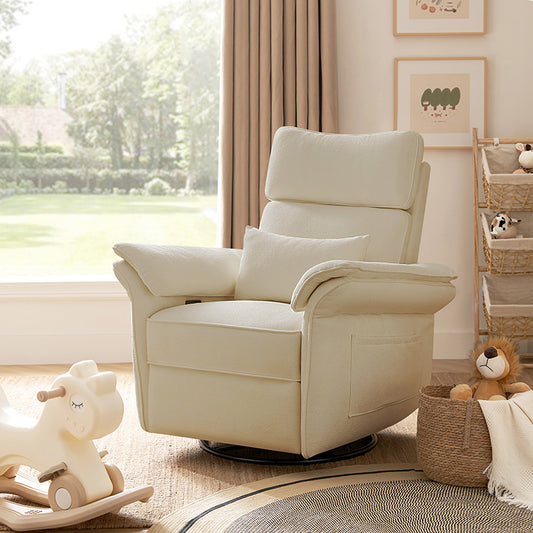
👉 Tip: The HULALA HOME Nursing Chair offers gentle rocking, ideal for mothers who need comfortable feeding support with proper alignment for back and shoulders.

Mistakes to Avoid When Using Recliners
1. Feet dangling off the footrest
When your feet aren’t fully supported, it can reduce blood circulation and cause discomfort in your legs over time.
2. Perching on the edge of the seat
Sitting too far forward leaves your lower back without support, which may lead to strain or fatigue.
3. Using your recliner as a bed every night
While occasional naps are fine, sleeping in a recliner long-term can affect spinal alignment and overall sleep quality.
4. Sitting too long without movement
Staying in one position for hours can lead to stiffness. Regular movement helps improve circulation and joint flexibility.
5. Hunching over your phone or book
Leaning forward places stress on your neck and shoulders. Try to keep your head aligned with the backrest instead.
Tips for Extended Use
1. Take regular movement breaks
Stand up and stretch every 45–60 minutes to keep your body from becoming stiff or sore.
2. Avoid frequent overnight use
Recliners aren’t designed for consistent overnight sleeping. For better rest, switch to a supportive mattress when possible.
3. Use a lift recliner for recovery or mobility support
Power lift recliners — like HULALA HOME’s — help you stand up safely and maintain a healthy sitting posture throughout the day.
4. Check your posture regularly
Even in a comfortable chair, it’s important to stay mindful of your position — your back, legs, and neck should all feel supported.

Frequently Asked Questions
Q: Is it OK to sleep in a recliner every night?
Occasionally, yes — especially for those recovering from surgery — but long-term, a proper mattress is healthier.
Q: Can recliners cause back pain?
Only if used incorrectly. Choose a recliner with lumbar support and maintain good posture.
Q: What’s the best recliner angle for relaxing?
110° to 130° is ideal for most people. Anything flatter can strain your lower back if unsupported.
Q: Are recliners good for breastfeeding?
Yes — nursing recliners with a gentle gliding function and supportive cushioning are great for posture and comfort.
Conclusion
A recliner can be one of the most comfortable spots in your home — if you use it properly. By sitting all the way back, supporting your legs, and maintaining a healthy angle, you’ll enjoy all the benefits without the backaches.
Looking for a supportive recliner for everyday use or post-pregnancy comfort? Explore HULALA HOME’s collection of ergonomically designed nursing chairs and lift recliners — crafted for your comfort, posture, and peace of mind.



No comments