Becoming a parent changes the way you use your home. Your living room may become a place for feeding and soothing your baby, your dining table may double as a workspace, and storage suddenly becomes more important than ever. Furniture that once worked perfectly for two may need to accommodate an entirely new set of routines.
The good news? You don't need to redesign your entire home before your baby arrives. The best family-friendly furniture combines comfort, practical functionality, easy maintenance, and flexibility, helping you manage everyday life while creating a welcoming space for your growing family.
Whether you're preparing a nursery, reorganizing your living room, or choosing furniture that will last beyond the newborn stage, these eight furniture ideas can help you build a home that works for your family today and in the years ahead.
What Should New Parents Look for in Family-Friendly Furniture?
Before buying new furniture, consider how each piece will fit into your daily routines. A beautiful design is important, but it should also make life easier when you're caring for a baby.
1. Safety and Stability
Furniture in a home with a baby needs to be stable and appropriately installed. Dressers, bookcases, and storage cabinets that could tip over should be securely anchored to the wall. Check the manufacturer's instructions for weight limits, assembly, and installation.
Pay attention to moving parts, too. Reclining chairs and height-adjustable tables can have pinch points that require extra care around young children. Keep electrical cords and small detachable components out of reach.
For infant sleep, always use a designated sleep surface that meets applicable safety standards. Adult sofas, recliners, and regular beds are not substitutes for a safe infant sleep space.
2. Easy-to-Clean Materials
Spills, milk, food, and everyday messes are part of life with a baby. Furniture with removable, washable covers or easy-to-wipe surfaces can make routine cleaning less demanding.
Before purchasing upholstered furniture, check the fabric's care instructions and whether its cushions or covers can be removed. For tables and cabinets, consider finishes that are practical for frequent cleaning.
Avoid assuming that a material is stain-proof simply because it is marketed as durable. Understanding the actual maintenance requirements will help you choose furniture that suits your household.
3. Comfort and Everyday Convenience
New parents often spend long periods sitting, feeding, soothing, organizing, and working at home. Supportive seating, accessible storage, and thoughtfully designed furniture can make these routines more manageable.
Consider how easily you can reach frequently used items, whether you have enough space to move around, and how comfortable each piece will be during extended use.
4. Long-Term Versatility
Your furniture needs will change as your child grows. A nursery chair may eventually become a reading chair, while storage for diapers and baby clothes can later accommodate books, toys, or school supplies.
Whenever possible, choose furniture that can serve a useful purpose beyond the first year of parenthood.
8 Best Family-Friendly Furniture Pieces for New Parents
1. Modular or Sectional Sofa: A Flexible Center for Family Life
The living room often becomes one of the busiest spaces in a home with a newborn. It's where parents relax between feedings, spend time together, welcome visiting relatives, and eventually play with their growing children.
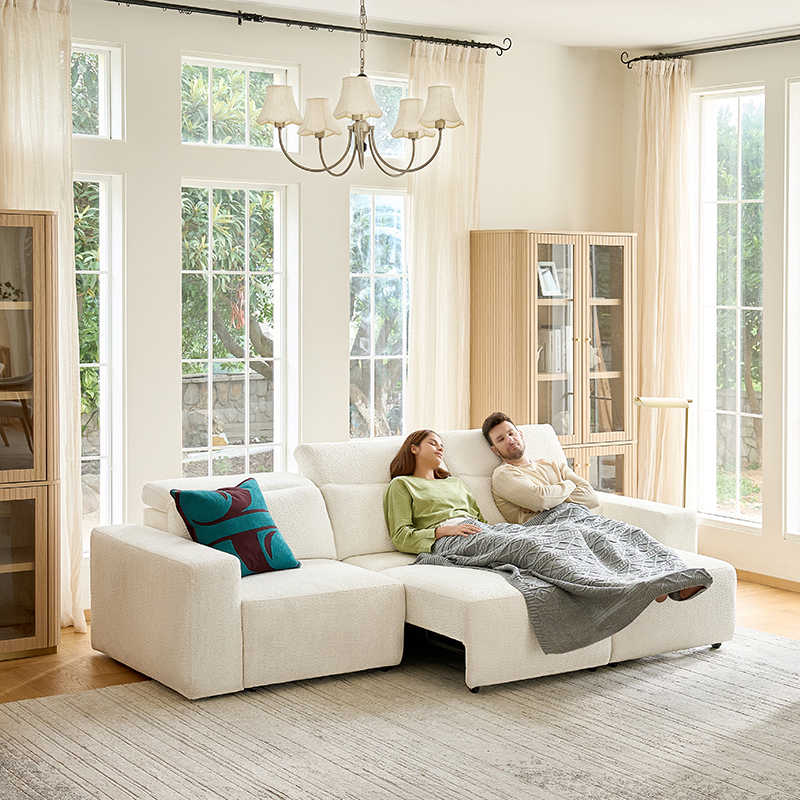
A modular or sectional sofa can provide generous seating while helping you make better use of your available space.
What to look for:
- Flexible configurations: Modular designs can be rearranged to accommodate different room layouts and seating needs.
- Easy-care upholstery: Consider fabrics with practical cleaning requirements, especially if you expect frequent spills.
- Comfortable seating: Supportive cushions and a suitable seat depth can make everyday relaxation more comfortable.
- Room to move: Leave enough clearance for walking, baby equipment, and other essential furniture.
A modular sofa can also offer long-term value. As your household changes, you may be able to rearrange its components instead of replacing the entire piece.
2. Storage Ottoman: Keep Everyday Essentials Within Reach
When you're caring for a baby, small conveniences can make a meaningful difference. A storage ottoman can provide a place to keep blankets, toys, books, and other frequently used household items while serving as an additional seat or footrest.
Instead of adding another large cabinet to your living room, a multifunctional ottoman can help you make better use of the space you already have.
What to look for:
- A stable base that stays securely in place.
- Upholstery that is easy to maintain.
- A size that fits comfortably beside your sofa.
- A lid with appropriate safety features if the ottoman has a storage compartment.
As your baby grows, the ottoman can transition from holding blankets and baby essentials to organizing toys, board games, or living room accessories.
The key is to choose a piece that solves an everyday problem without introducing unnecessary clutter.
3. Extendable Dining Table: Make Room for a Growing Household
A dining table serves many purposes in a family home. It provides a place for meals, conversations, visiting relatives, and eventually family activities such as drawing, crafts, and homework.
An extendable dining table offers flexibility when your household occasionally needs more seating. Rather than keeping a large table in place every day, you can adjust the available surface area to suit different occasions.
What to look for:
- A secure extension mechanism that is straightforward to operate.
- Stable legs and a well-supported tabletop.
- A surface that is easy to clean after meals and activities.
- Enough clearance for chairs and comfortable movement around the table.
An extendable table can be especially useful for families who enjoy hosting relatives but don't want a permanently oversized dining setup.
When choosing one, consider both the everyday footprint and the fully extended dimensions. Make sure the table can accommodate your intended seating arrangement without obstructing walkways.
4. Nursery Recliner: A Comfortable Place for Feeding and Soothing
A nursery recliner can become one of the most frequently used pieces of furniture during the newborn stage. Feeding, comforting, and settling a baby can involve long periods of sitting, making supportive armrests and a comfortable backrest particularly valuable.
Unlike a chair chosen only for its appearance, a nursery recliner should be selected around the practical demands of caring for a baby.
What to look for:
- Supportive armrests: These can provide a comfortable place to rest your arms while feeding or holding your baby.
- Adjustable reclining positions: Choose a chair that allows you to find a comfortable position for different routines.
- Lumbar support: Additional lower-back support may make extended sitting more comfortable.
- Convenient storage: Side pockets can keep a burp cloth, book, or other small essentials within reach.
- Easy-care upholstery: Water-repellent or stain-resistant fabric can simplify maintenance when used according to its care instructions.
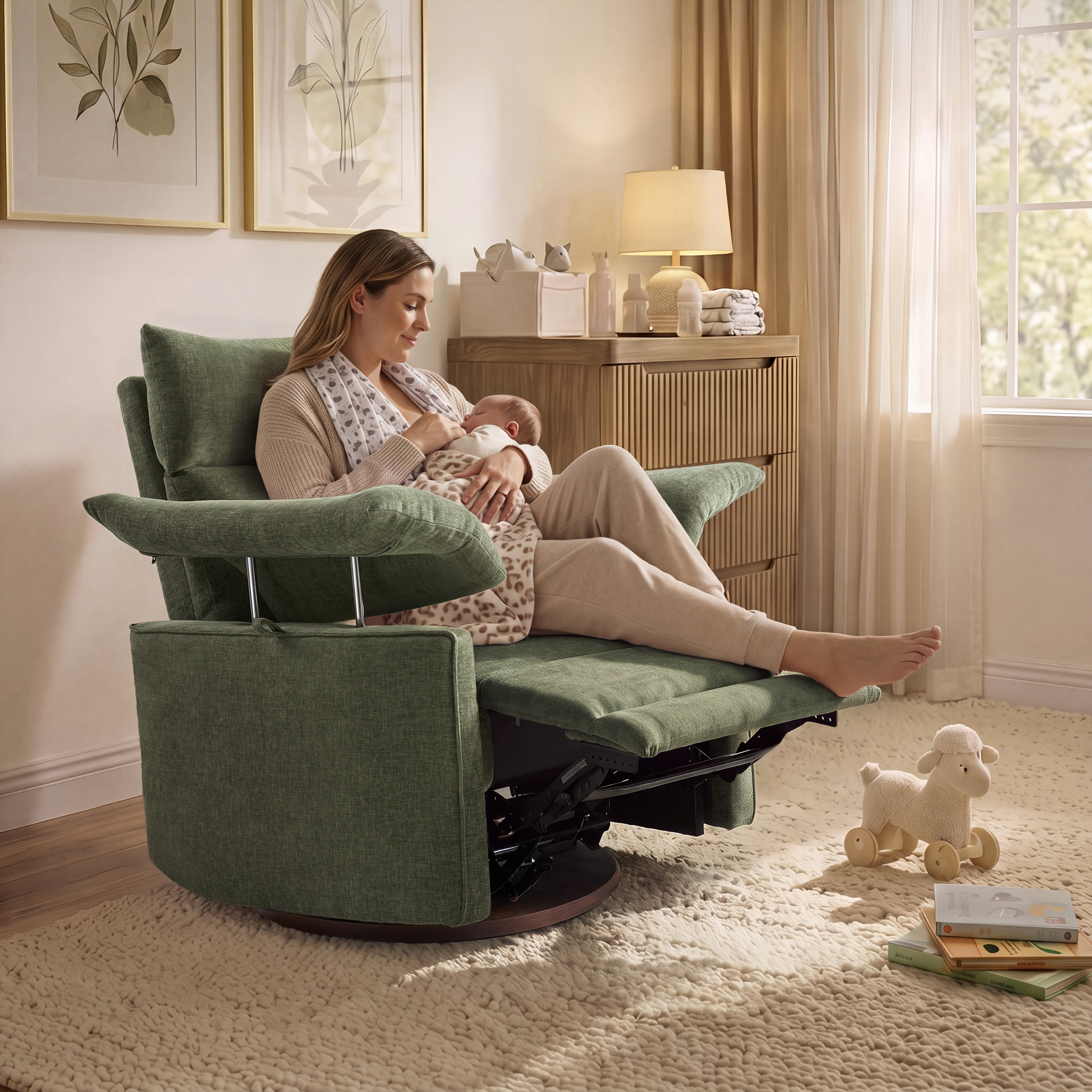
The HULALA HOME Cuddle Support Armrests Nursery Power Recliner is designed with adjustable armrests and headrest, a removable lumbar support pillow, side storage pockets, and a built-in USB charging port. Its motorized reclining function and water-repellent, stain-resistant fabric are intended to support everyday comfort and convenience.
Beyond the newborn stage, the chair can continue to serve as a reading chair or a comfortable place to relax.
One important safety reminder: Always hold your baby securely when feeding or soothing, and move the baby to an appropriate sleep surface if either of you becomes sleepy. A recliner is not a safe place for an infant to sleep.
5. Height-Adjustable Dining Table: One Surface for Different Daily Activities
New parents often need their homes to serve several purposes at once. A dining table might be used for breakfast in the morning, remote work during the day, and family meals in the evening.
A height-adjustable dining table can make that shared surface more versatile by allowing you to change its height for different activities.
What to look for:
- An adjustment range that accommodates your intended uses.
- A stable lifting mechanism and appropriate weight capacity.
- Easy-to-use controls and useful height presets.
- Safety features that help reduce the risk of collisions with obstacles.
- Practical cable management if the table will also serve as a workspace.
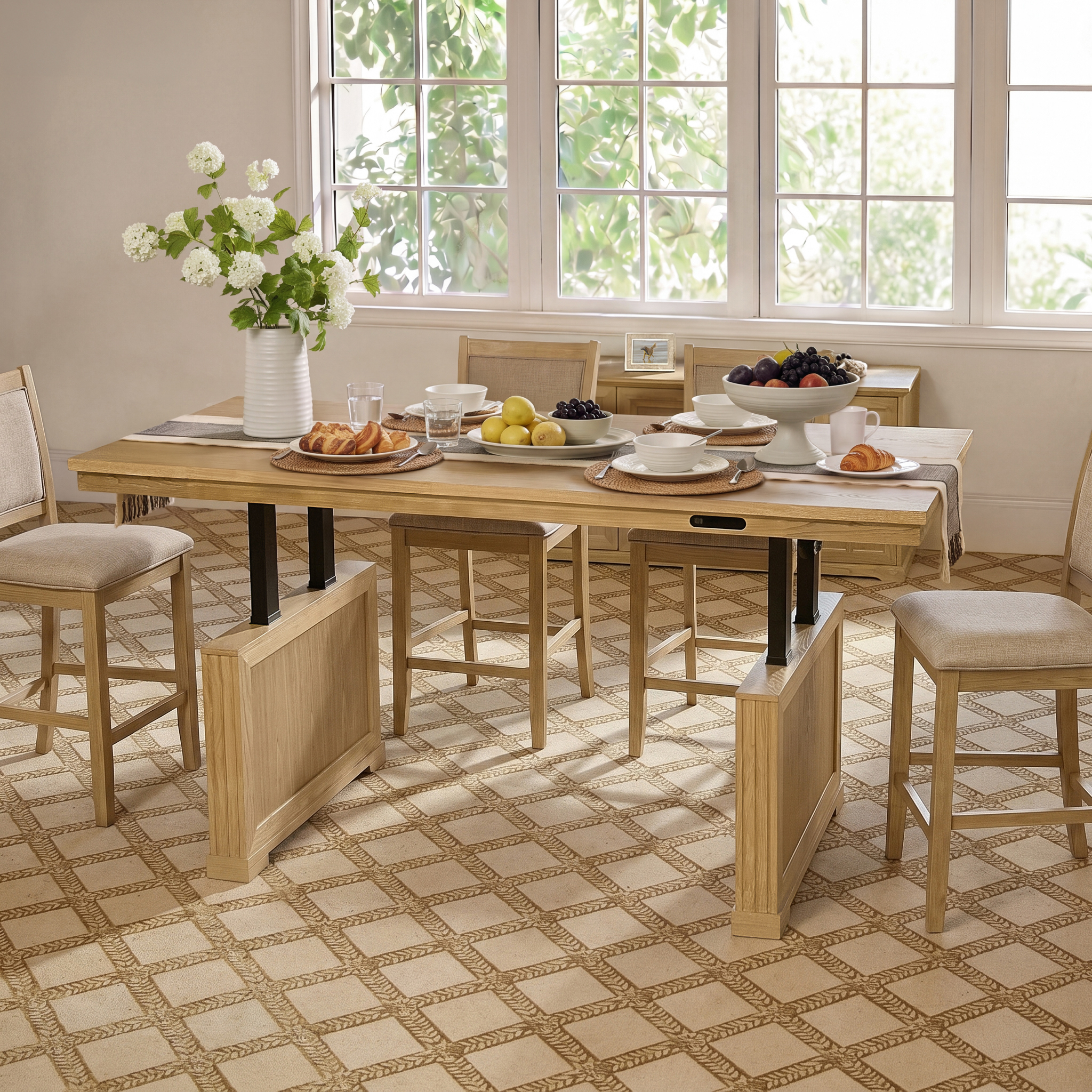
Its Electric Height-Adjustable Dining Table can accommodate meals, working from home, board games, and other shared activities. This versatility can help families get more use out of a single piece of furniture instead of dedicating separate tables to every task.
As your child grows, the table can continue to support different family routines. However, its moving mechanism should be operated with care, and children should be kept clear of the lifting area during adjustment.
6. Modular Storage Cabinet System: Organize a Home That Keeps Changing
Baby clothes, diapers, blankets, toys, books, and household supplies can quickly take over available storage space. A modular storage system helps you organize these items while allowing the overall setup to change as your needs evolve.
Rather than buying separate cabinets for every stage of family life, consider storage furniture that can accommodate different combinations of drawers, shelves, and cabinets.
What to look for:
- Configurable components that suit your room and storage requirements.
- A practical combination of open and closed storage.
- Drawers that make frequently used items easy to organize.
- Secure installation and appropriate wall anchoring.
- A design that can transition between different rooms or functions.
Its modular approach makes it a practical option for households whose storage needs change over time. You might initially use it to organize bedroom essentials and later adapt the setup for books, toys, or other household belongings.
For a baby-friendly home, remember that storage furniture should be installed according to the manufacturer's instructions and secured against tipping where appropriate. Keep hazardous items and small objects out of children's reach.
7. Practical Dresser: Keep Baby Clothes and Essentials Organized
A dresser may not be the most exciting furniture purchase, but it can make everyday routines easier by giving baby clothes, blankets, and other essentials a dedicated place.
Good organization is particularly helpful when you're managing frequent clothing changes or trying to find something quickly during a busy day.
What to look for:
- Drawer sizes that suit the items you need to store.
- Smooth drawer operation and sturdy construction.
- A footprint that fits your bedroom or nursery.
- Surfaces that are easy to maintain.
- Appropriate wall anchoring and tip-over prevention.
Think about how the dresser will be used after the newborn stage. A piece with versatile storage capacity can continue to accommodate children's clothing, books, or general household items.
Also, avoid placing a changing pad on top of a dresser unless the setup is specifically suitable for that purpose. Always follow the manufacturer's instructions, use the required safety restraints, and never leave a baby unattended on an elevated surface.
8. Adjustable Standing Desk: Support Work-from-Home Routines
For parents who work remotely, maintaining a functional workspace can be challenging when family life and professional responsibilities overlap.
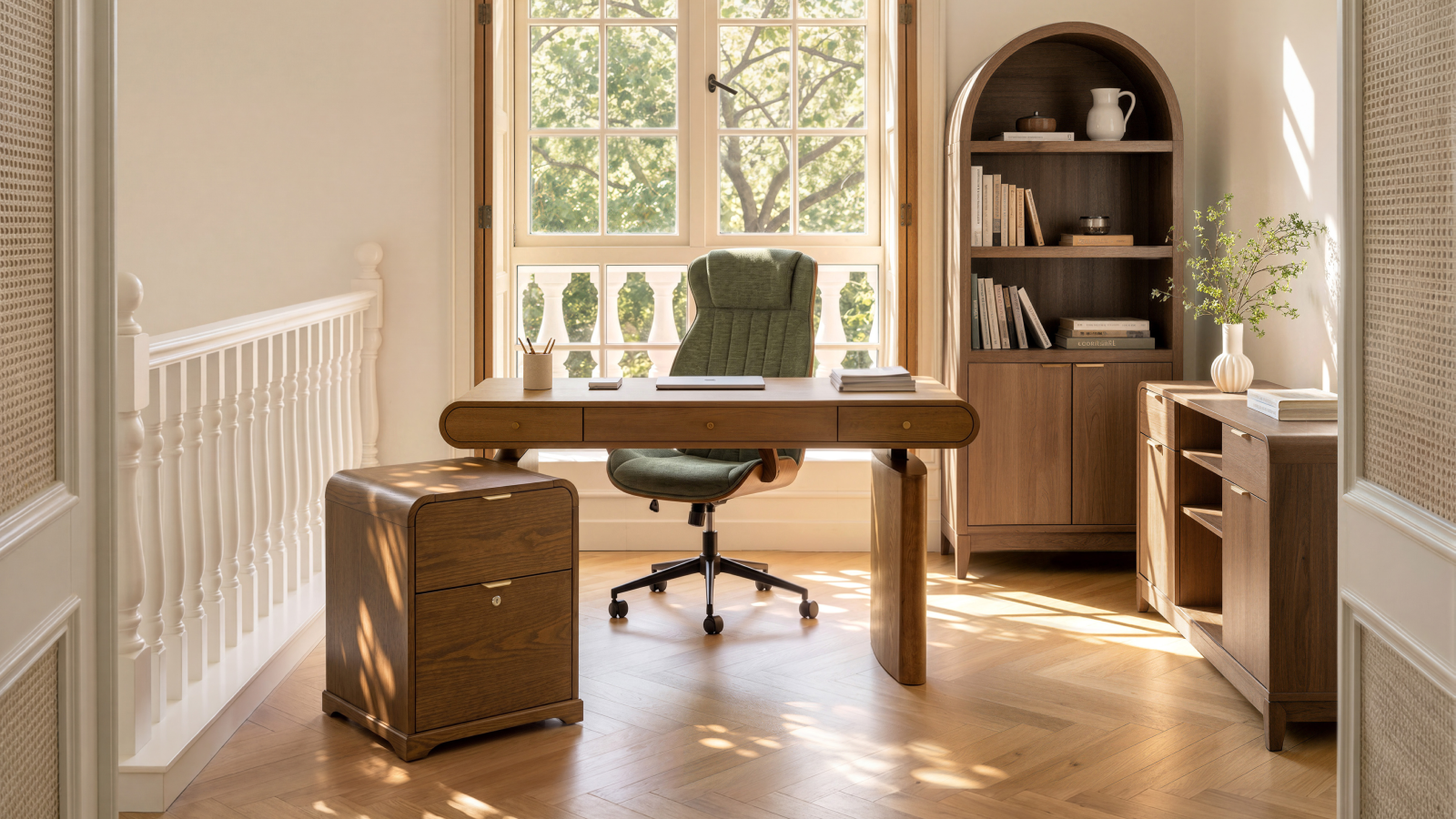
An adjustable Standing desk can help create a more adaptable home office, especially if you use a room or corner for multiple purposes.
What to look for:
- Height adjustment that supports comfortable working positions.
- A stable frame and an appropriate weight capacity.
- Cable management to keep cords organized.
- A tabletop large enough for your essential equipment.
- A footprint that leaves enough room for movement around the workspace.
A height-adjustable desk can remain useful as family needs evolve, whether you're working from home, studying, or managing personal projects.
If your workspace shares a room with your baby, keep electrical cords, power strips, and moving desk components inaccessible to children. An adjustable desk can improve flexibility, but it should not be treated as a substitute for a properly organized and child-safe environment.

How to Make Your Home More Baby-Friendly Without Replacing Everything
Preparing for a baby doesn't mean starting from scratch. Before purchasing new furniture, look at how your existing pieces support your daily routines and identify the changes that would make the biggest difference.
Start with the Rooms You Use Most
Focus on the living room, bedroom, nursery, and dining area. Consider where you spend the most time feeding, resting, working, and organizing baby essentials.
A supportive chair may be more useful than an entirely new nursery set, while a better storage arrangement may solve a clutter problem without requiring additional furniture.
Prioritize Practical Upgrades
If your current sofa is comfortable and easy to maintain, you may not need to replace it. Instead, consider whether a storage ottoman, an additional cabinet, or a more convenient seating arrangement would improve everyday life.
Prioritize purchases based on actual needs rather than assuming every new parent requires the same furniture.
Keep Walkways Clear
Babies bring additional equipment into the home, including strollers, bassinets, play yards, and diaper bags. Leave enough room to move safely between furniture pieces and avoid overcrowding frequently used areas.
Measure your space before buying large furniture, and account for the full dimensions of pieces that extend, recline, or change height.
Plan for the Next Stage
Think beyond the first few months. Furniture that can transition between rooms or serve different purposes may provide more long-term value than a highly specialized item you will rarely use later.
For example, modular storage can transition from organizing baby essentials to storing books and toys, while a nursery recliner can become a comfortable reading chair.
Family-Friendly Furniture Safety Tips Every New Parent Should Know
Comfort and versatility matter, but safety should remain a separate and essential consideration when furnishing a home with a baby.
Keep these practical precautions in mind:
- Anchor tip-prone furniture: Secure dressers, bookcases, and storage cabinets to the wall according to the manufacturer's instructions.
- Check moving mechanisms: Keep children away from reclining furniture, lift systems, extension mechanisms, and other moving parts.
- Manage electrical cords: Keep cords and power strips out of reach, particularly around adjustable furniture.
- Store hazardous items safely: Cleaning products, medications, batteries, and small objects should be stored where children cannot access them.
- Follow infant sleep guidance: Use a designated, firm, flat infant sleep surface that meets applicable safety standards. Do not use adult sofas, recliners, or regular beds for infant sleep.
- Follow product-specific instructions: Weight limits, assembly requirements, cleaning methods, and safety features vary by product.
Remember that a family-friendly design does not automatically make a product childproof. Proper installation, supervision, and appropriate use remain essential.
How to Choose Furniture That Grows with Your Family
The most useful furniture investments are often those that solve an immediate problem while remaining relevant as your family changes.
Choose Versatility Over Short-Term Novelty
A modular sofa, adjustable table, or configurable storage system can accommodate different layouts and routines. Before purchasing, consider whether the piece will still serve a purpose in several years.
Look for Adaptable Functionality
Furniture with adjustable heights, flexible configurations, or multiple uses can help you make better use of limited space.
For example, a height-adjustable dining table can support seated meals and standing activities, while a modular storage system can be reconfigured as your storage needs change.
Think in Life Stages
Different stages of family life create different demands on your home.
- Newborn stage: Prioritize comfortable seating, accessible essentials, and practical storage.
- Toddler stage: Focus on secure furniture installation, easy-to-clean surfaces, and room for movement.
- School-age stage: Consider homework areas, organized storage, and furniture that supports family activities.
- Long-term family living: Continue to prioritize flexibility, comfort, and pieces that suit changing household routines.
These stages don't require a complete furniture replacement each time. Thoughtful choices from the beginning can help your home evolve more naturally.
Invest in Furniture That Solves Real Problems
Before buying a new piece, ask yourself three questions:
- What everyday problem will this furniture solve?
- Will it fit comfortably into my current space and routine?
- Can it remain useful when my child grows?
These questions help you prioritize meaningful functionality over features you may rarely use.
This is also where HULALA HOME's Adaptive Design philosophy becomes relevant: furniture should support the way people live today while remaining useful as their needs change over time.
Final Thoughts: Build an Adaptive Home That Works for Your Growing Family
The best family-friendly furniture for new parents isn't necessarily the furniture designed exclusively for a nursery. It's the furniture that makes everyday routines more manageable, helps keep the home organized, and continues to serve a purpose as your family grows.
Start with your most immediate needs. A modular sofa can create a flexible gathering space, a nursery recliner can support feeding and soothing routines, and a modular storage system can help keep everyday essentials organized. An adjustable dining table or desk can add flexibility to a home that needs to accommodate several activities.
You don't need to furnish your entire home at once. Choose thoughtfully, prioritize safety and practical functionality, and build a space that can adapt to the next stage of family life.
Explore HULALA HOME to discover versatile furniture designed to support the way your family lives, grows, and changes.
Related blog:
What Should I Do With a Bedroom After My Child Moves Out? 5 Flexible Ideas