A guest bedroom sounds like a useful thing to have. When family or friends come to stay, you have a comfortable place ready for them. You don't have to rearrange your home, and your guests don't have to sleep on the sofa.
But there is another side to the question: How often is that room actually used?
For some households, a guest bedroom may be occupied several times a month and provide valuable space for visiting parents, relatives, or friends. For others, it may sit untouched for most of the year while the household needs another office, workout room, playroom, or hobby space.
As homes become more multifunctional, the traditional idea of dedicating an entire room to occasional guests is changing. Architectural Digest has noted how limited square footage and the growing number of activities taking place at home have made the traditional guest room less practical for many households.
So, should you have a guest bedroom?
The answer depends less on what a home is "supposed" to have and more on how you actually live.
Why the Traditional Guest Bedroom Is Changing
The dedicated guest bedroom is not a new idea. Architectural Digest traces its popularity to the expansion of postwar suburban homes, when houses became larger and families had more space to dedicate to rooms that were not occupied every day.
But the way people use their homes has changed.
A spare bedroom might now be expected to serve as:
- A home office
- A workout room
- A playroom
- A craft or hobby space
- A music room
- A second living area
- A storage area
- A nursery or future children's room
The shift became especially visible as more work, exercise, hobbies, and leisure activities moved into the home. These new demands for space have increasingly competed with the traditional guest room.
At the same time, smaller homes and higher housing costs make every square foot more valuable. That creates a simple question: Should a room be designed around something that happens occasionally, or around the things your household does every day?
When Does a Dedicated Guest Bedroom Make Sense?
There are plenty of situations where a dedicated guest room is useful.
You regularly have overnight guests
If friends or family stay overnight frequently, a guest bedroom can be one of the most practical rooms in your home.
For example, a dedicated guest room may make sense if:
- Your parents or relatives visit regularly
- Friends frequently stay for weekends
- You host family members from out of town
- You have frequent visitors who stay for several nights
- Your home is a regular gathering place for extended family
In these situations, the room is not really "unused." It has a clear and recurring purpose.
Your guests tend to stay for longer periods
There is a big difference between accommodating someone for one night and hosting someone for a week.
A sofa may work perfectly well for a weekend visit. But if your parents stay for two weeks every summer, or relatives visit for extended periods, a private bedroom can provide much more comfort and privacy.
You have enough space
If your home already has enough room for an office, playroom, storage, and other everyday activities, dedicating one room to guests may not require much compromise.
The problem isn't necessarily having a guest bedroom. The problem is having a room that only works for one purpose when you need the space for several purposes.
When a Guest Bedroom May Not Be Worth the Space
On the other hand, a dedicated guest room can be an inefficient use of space if overnight guests are rare.
White Pebble Interiors recommends considering several costs before dedicating a room to occasional guests, including construction cost, maintenance, cleaning, heating and cooling, and the broader environmental cost of making a home larger.
Those costs continue whether someone is sleeping in the room or not.
You rarely have overnight guests
If your guest room is occupied only a few nights a year, it may spend most of its time waiting for visitors.
That is exactly the situation discussed by homeowners in a Reddit conversation about giving up a dedicated guest bedroom. Some described rooms that were rarely entered and were eventually converted into offices, workout spaces, or other rooms they used more often.
One homeowner, for example, turned a guest room into an office/guest room after working from home and found that the space was much more useful on a daily basis. Another used a Murphy bed to combine an office, music studio, and guest room.
These experiences are not a universal rule, but they illustrate an important point: A room's value is closely connected to how often your household actually uses it.
You need the room for everyday life
Imagine you have a three-bedroom home. Two bedrooms are occupied. The third bedroom contains a bed and dresser, but your household desperately needs a home office.
You could keep the third bedroom untouched for the occasional guest. Or you could make it an office that becomes a guest room when someone visits. The second option may give the room a purpose every day while still preserving its ability to host guests.
The Better Question: Can One Room Do More Than One Job?
You might not need a permanent guest room.
But you may still want your home to comfortably accommodate an overnight visitor. That is where multifunctional rooms become useful.
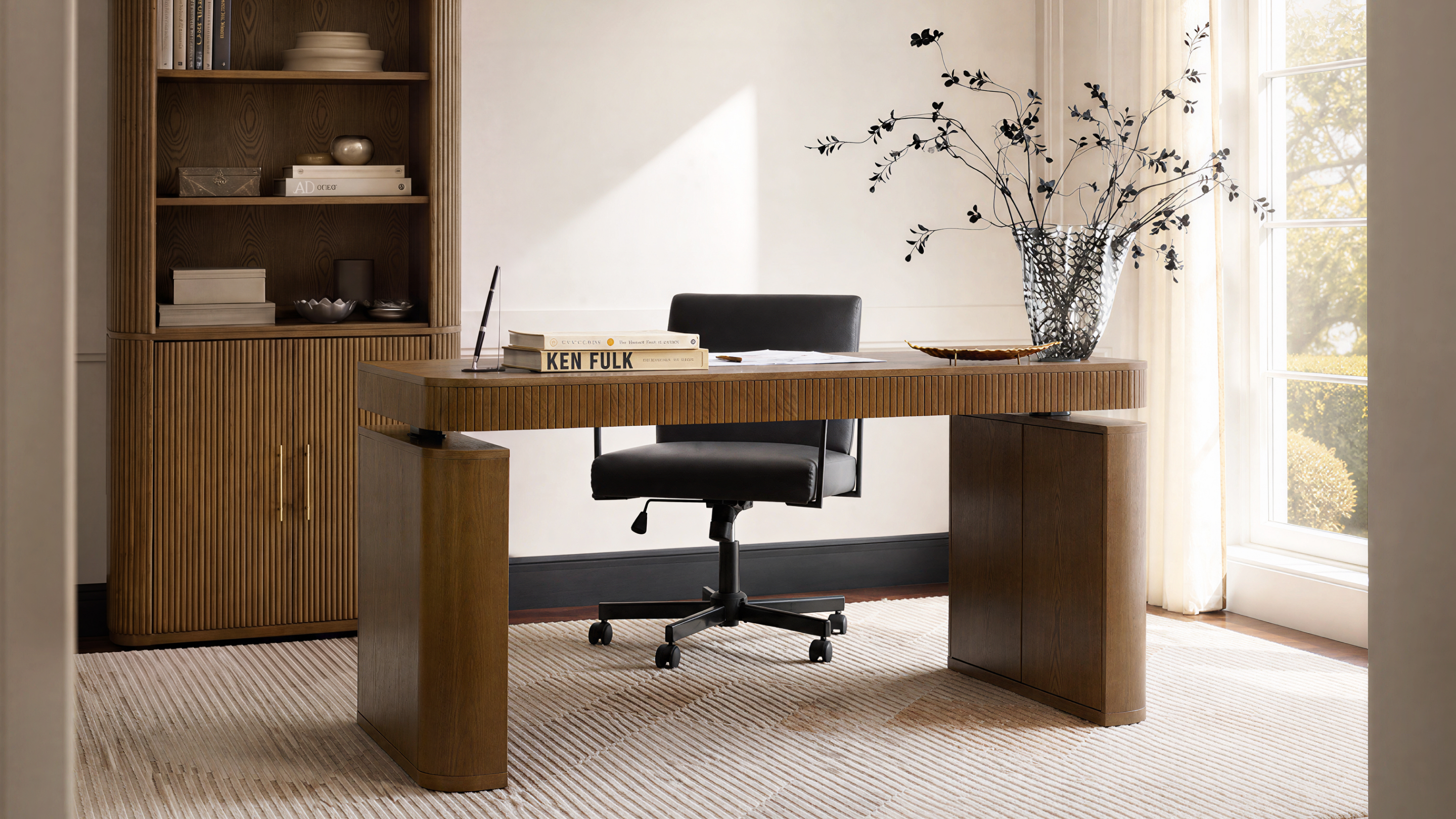
How to Create a Multipurpose Guest Room
A multipurpose room does not need to look like a compromise. The goal is to create a room that works well for everyday life and can transform when guests arrive.
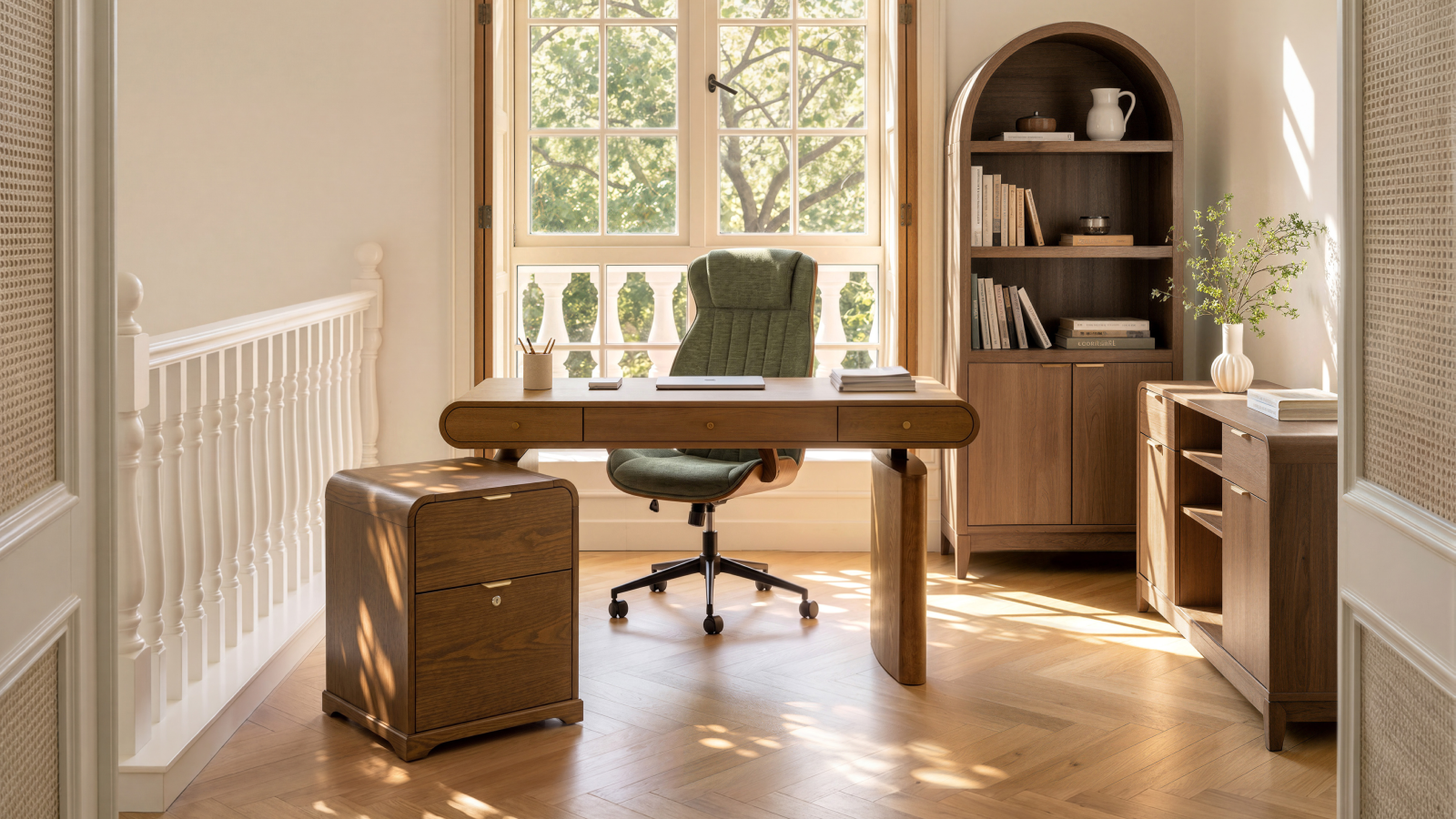
Home office + guest room
This is one of the most practical combinations, especially for people who work from home. During the day, the room functions as a dedicated workspace.
When guests arrive, the sleeping area can be created without permanently sacrificing the office.
Options include:
- Sofa beds
- Murphy beds
- Daybeds
- Pull-down beds
- Folding mattresses
A Reddit discussion about guest bedrooms includes several homeowners who combined offices with guest rooms, allowing the space to serve their everyday needs while retaining a place for overnight visitors.
Playroom + guest room
A children's playroom can also double as a guest space. Built-in daybeds, trundle beds, or flexible sleeping arrangements can make it possible to accommodate guests without keeping a traditional bedroom untouched all year.
Hobby room + guest room
If you enjoy painting, crafting, music, reading, or other hobbies, you may get much more value from using the room for those activities every day.
When guests arrive, the room can temporarily change function. A designated guest room can be designed as a multipurpose art room, with a Murphy bed that could be folded away when the room was being used for other activities.
Second living room + guest room
A second living area can also become a comfortable guest space.
A daybed or sofa bed can function as seating most of the time and sleeping space when necessary. This can be particularly useful in smaller homes where a permanent bed would take up too much floor space.
Guest Bedroom Alternatives
You do not necessarily need a dedicated bedroom to make guests feel welcome. The right solution depends on your space, your guests, and how frequently you host.
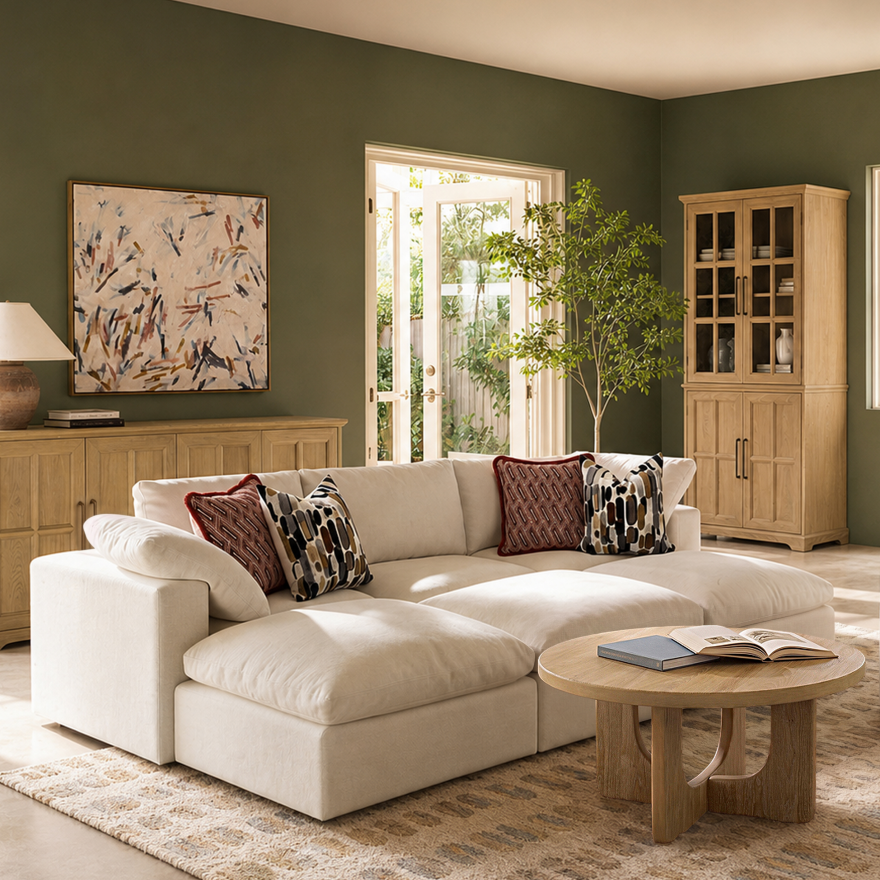
Sofa bed
A sofa bed is one of the simplest ways to make a living room, office, or den serve as a temporary guest room.
During the day, it functions as seating. At night, it becomes a bed. This works particularly well when guests stay occasionally rather than regularly.
Murphy bed
A Murphy bed can allow a room to have a full-size sleeping area without keeping the bed permanently exposed.
When the bed is folded away, the room can become an office, workout area, or hobby space.
Daybed or trundle bed
A daybed can be useful when you want a room to feel like a lounge rather than a bedroom.
It can work as a sofa or lounging area during the day and as a sleeping space when guests arrive. A trundle bed can provide additional sleeping capacity without requiring two permanent beds.
Air mattress or folding mattress
For households that host guests only occasionally, a high-quality air mattress or folding mattress can be a practical solution.
Several homeowners in the Reddit discussion described using air mattresses successfully for visitors rather than maintaining a permanent guest bedroom.
This approach requires almost no dedicated floor space when the mattress is stored away.
Reconfigure another bedroom
You may already have a solution without realizing it.
For example:
- Children can share a room temporarily when grandparents visit.
- A child's room can become a guest room while the child is away.
- An office can become a guest room for a weekend.
- A second living room can accommodate visitors.
- A playroom can be temporarily converted for overnight stays.
Consider whether another room can be converted when guests stay rather than dedicating an entire room to occasional use.
So, Should You Have a Guest Bedroom or Not?
A dedicated guest bedroom can make sense when you regularly host overnight visitors, especially when guests stay for several nights or when family members frequently visit.
A flexible guest space may make more sense when overnight visitors are rare, your home has limited space, or your household has more frequent everyday needs for that room.
The decision can be simplified into two questions:
- How often will guests actually use this space?
- What could your household use the space for the rest of the time?
If the room will regularly serve your family as well as your guests, it is more likely to justify the space. If it will sit empty most of the year, a flexible alternative may give your home more value.
Design Your Home Around the Life You Actually Live
A home does not have to assign every room a single permanent purpose.
In fact, some of the most useful spaces are the ones that can change.
A home office can become a guest room.
A playroom can become a bedroom.
A living room can become a sleeping space.
A hobby room can welcome family for a weekend.
The goal isn't necessarily to eliminate the guest bedroom. It is to avoid creating a room that has little purpose when no one is visiting.
Design for the life you live every day—and make room for the life that happens occasionally.
That way, when guests arrive, your home is ready for them without giving up the space you need for yourself.
Related blog:
What Should I Do With a Bedroom After My Child Moves Out? 5 Flexible Ideas
What Furniture Should I Buy for My First House?